
Last updated September 22, 2026
Free written scope consultation - allowances, timeline, and change-order rules on paper before a single trade is scheduled
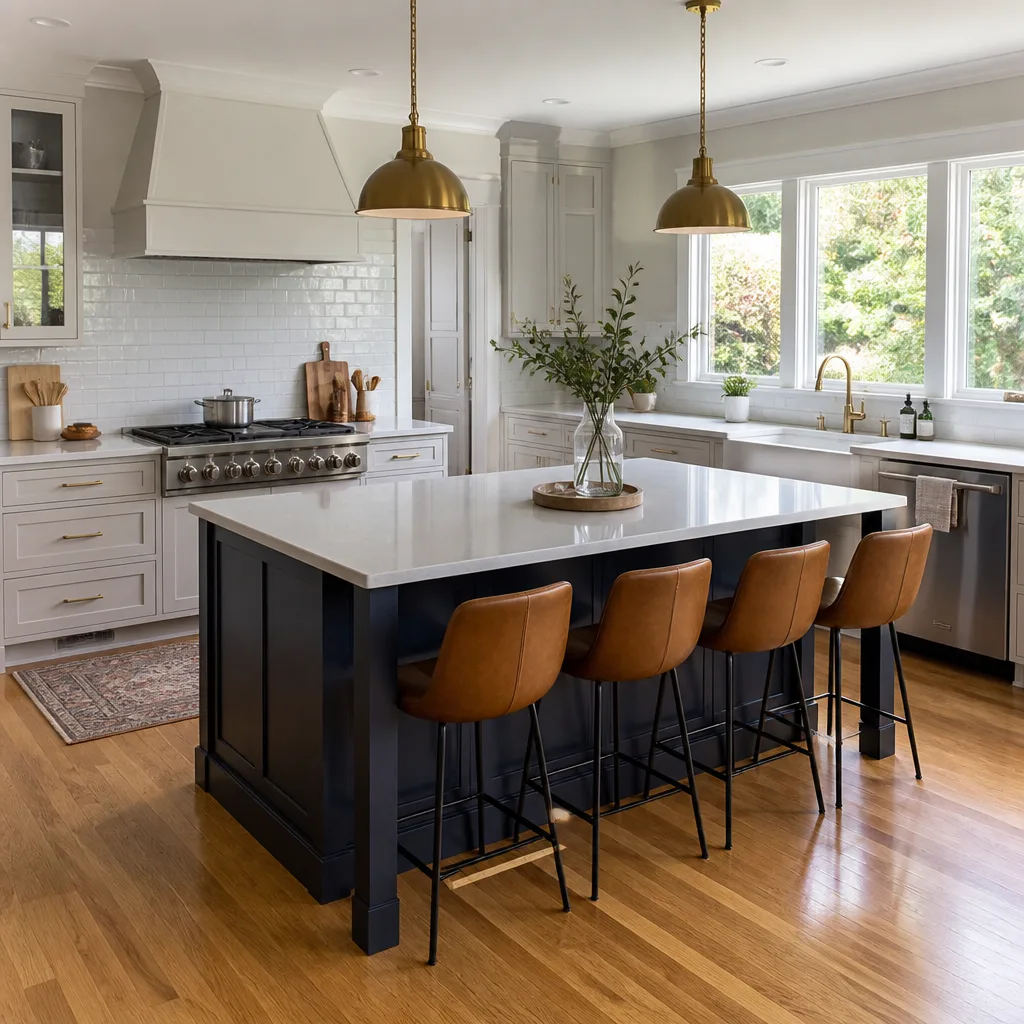
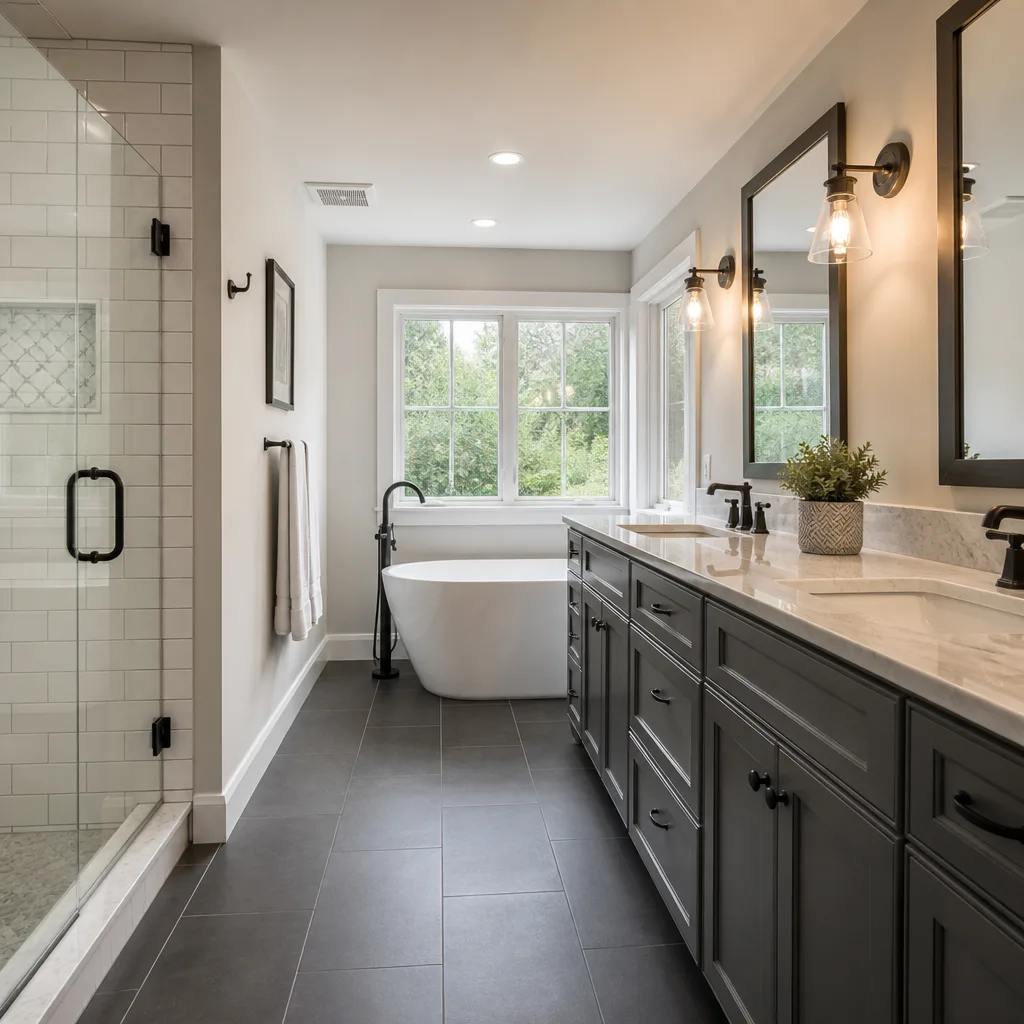
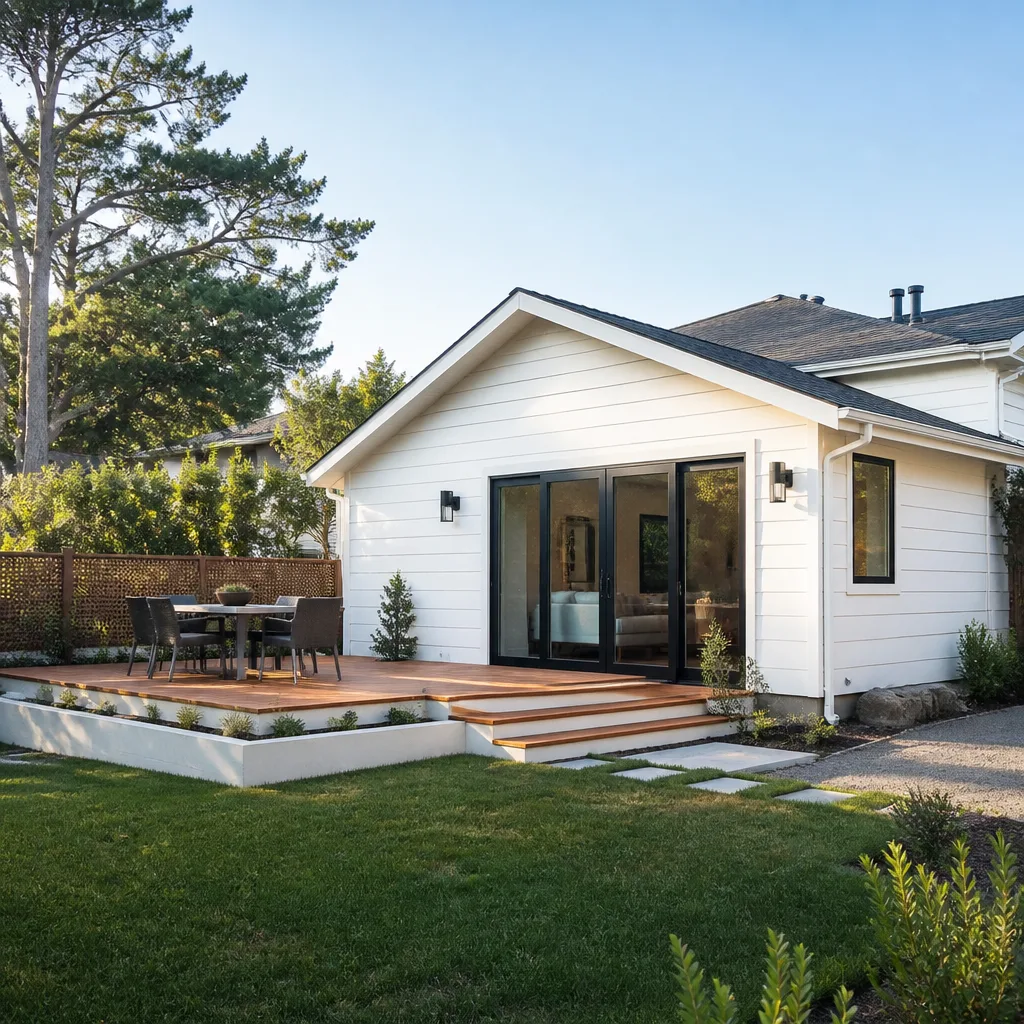
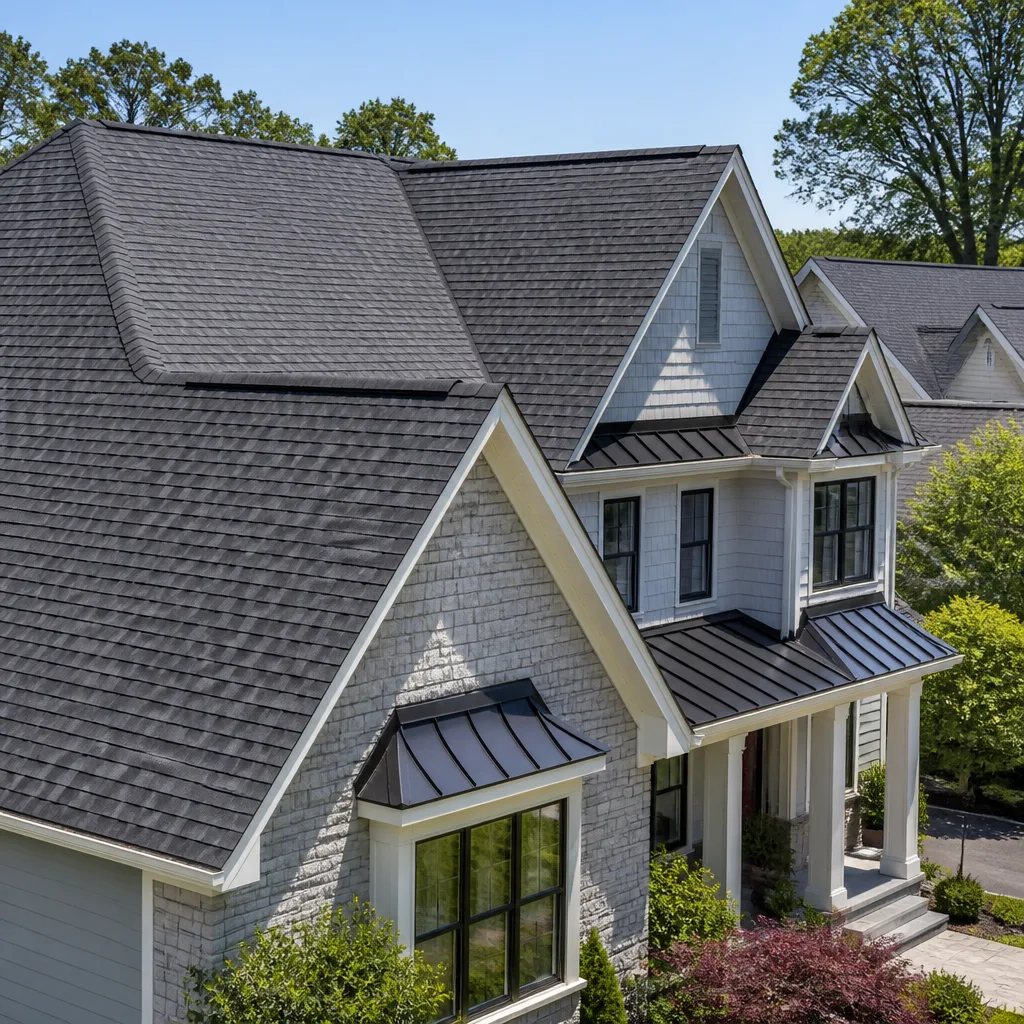
 Before
 After
After Before
 After
After Before
 After
AfterDIY vs Professional Construction: The West Palm Beach Homeowner’s Decision Guide
Most West Palm Beach homeowners assume the DIY question starts with “Can I do this?” It doesn’t. It starts with “Am I legally allowed to do this?” Florida Statute 489.103 draws a sharp line most people never learn about until they’re standing in the Palm Beach County Building Division with a rejected permit application. In 2023, the Florida Department of Business and Professional Regulation issued over 1,200 cease-and-desist orders to unlicensed contractors statewide, and a surprising number were homeowners who hired a day laborer to help with “their” project. This guide maps exactly where Florida law permits self-performed work, where it prohibits it, and what the real cost difference looks like when you factor in permits, insurance, and the re-work that follows a failed inspection. For more guides & resources, see our blog.
Quick Answer
West Palm Beach homeowners can legally self-perform painting, flooring, and non-structural carpentry on their primary residence. Electrical panel work, load-bearing wall modifications, gas line connections, and roof deck replacement require a Florida-licensed contractor regardless of the owner’s skill level. The financial break-even point typically falls around $2,500 in project value - below that, DIY saves money if permitted correctly; above it, the risk of code corrections, re-inspection fees, and insurance voidance usually makes professional work cheaper in total cost. See How to Hire a Construction Contractor in West Palm Beach: A Step-by-Step Guide for help evaluating bids.
Table of Contents
- The Florida Owner-Builder Exemption: What West Palm Beach Homeowners Can Actually Do
- Trade-by-Trade DIY Legality in Florida
- Real Cost Comparison by Project Type
- Insurance Implications of Unpermitted or Unlicensed Work
- When Professional Is Unambiguously Cheaper
- The Permit Process in West Palm Beach
- Common Mistakes to Avoid
- When to Call a Professional
BeforeAfterThe Florida Owner-Builder Exemption: What West Palm Beach Homeowners Can Actually Do
Florida Statute 489.103(7) creates a narrow path for homeowners who want to act as their own general contractor. The statute says you can pull a permit and self-perform work on a single-family residence you occupy, provided you do not hire anyone for pay who is not properly licensed in their trade. The moment you pay an unlicensed helper to install drywall, run wire, or set tile, you become an unregistered contractor under Florida law. That shifts all workers’ compensation liability to you personally and voids your homeowner’s insurance coverage for any injury on the job site.
The Palm Beach County Building Division enforces this with a specific affidavit. When you pull an owner-builder permit, you sign under oath that you understand three things: you are solely responsible for code compliance, you must use licensed subcontractors for electrical, plumbing, and HVAC work, and you cannot sell or lease the property for one year after final inspection without first obtaining a Certificate of Completion from a licensed contractor. This last clause traps many West Palm Beach homeowners who finish a basement or add a bathroom, then need to relocate for work within twelve months.
The exemption also requires that you personally supervise all work. You cannot hand the project to a relative, a friend, or a “project manager” you found online. If the building inspector arrives and finds someone else directing the crew, the permit gets red-tagged on the spot. We’ve seen this happen in neighborhoods like Northwood and El Cid, where historic homes attract hands-on owners who underestimate the supervision requirement.
Here’s what the owner-builder path actually permits in West Palm Beach:
- Pull your own building permit for structural, roofing, or addition work - but only if you personally perform or directly supervise every hour of labor.
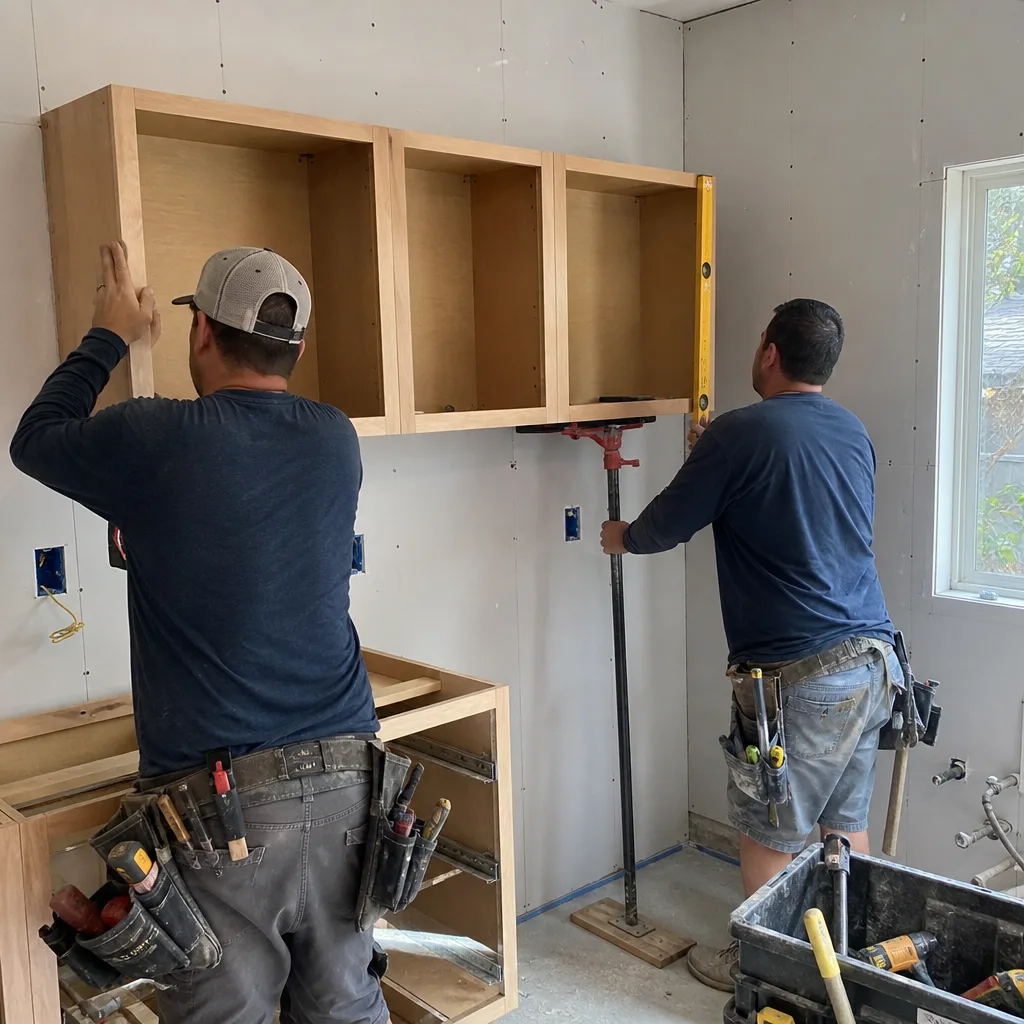
- Self-perform cosmetic and non-structural work including interior painting, flooring installation, cabinet hardware replacement, and trim carpentry that does not alter load paths.
- Act as your own general contractor and hire licensed subcontractors for electrical, plumbing, and HVAC - but you assume liability for their scheduling, code compliance, and payment disputes.
- Obtain your own materials from any source, though the Building Division will inspect for Florida Product Approval on windows, doors, and roofing materials in wind-borne debris regions.
What the exemption does not permit is the scenario most homeowners imagine: buying materials at Home Depot, hiring a couple of guys from a parking lot, and renovating your kitchen over a long weekend. For a deeper look at protecting your investment after the work is done, see our Kitchen Remodeling Maintenance Checklist for West Palm Beach Homeowners. That arrangement violates Florida law the moment money changes hands for labor. The statutory penalty is a first-degree misdemeanor, and the county can order all work removed at your expense.
Grant Rowan has reviewed hundreds of owner-builder files since 2007. The pattern is consistent: about 40% of owner-builder permits in Palm Beach County never reach final inspection. The homeowner hits a code issue they cannot resolve, abandons the permit, and sells the property with open permits that become the next owner’s problem. Under Clause 1 of the Haven Standard, Rowan Construction Group delivers a written price before any work starts precisely because we’ve seen where the alternative leads.
Trade-by-Trade DIY Legality in Florida
Florida separates construction trades into two categories: those where a homeowner can legally self-perform on their own residence, and those where a licensed contractor is mandatory regardless of ownership. The distinction is not about skill. It is about risk to life safety and the structural integrity of the building.
Trades Where DIY Is Legal on Your Primary Residence
- Interior painting and wallpaper - no permit required for same-color repainting; permit required for lead abatement in pre-1978 homes.
- Hardwood, laminate, and luxury vinyl plank flooring - floating floors over existing subfloor; glue-down applications over concrete may require moisture testing documentation.
- Non-structural carpentry - built-in shelving, closet organizers, wainscoting, and trim that does not support structural loads or alter egress paths.
- Tile backsplash and bathroom wall tile - vertical surfaces only; floor tile in wet areas requires waterproofing inspection.
- Landscape hardscaping under 30 inches in height - retaining walls taller than 30 inches require engineering and a building permit.
- Interior door replacement - provided the existing frame is not widened and fire-rated assemblies are not altered.
Trades Where a Florida License Is Mandatory
- Electrical panel work, circuit additions, and service upgrades - any work beyond replacing a receptacle or switch requires a licensed electrical contractor. West Palm Beach’s 1960s-era housing stock in neighborhoods like Flamingo Park and Grandview Heights often has Federal Pacific or Zinsco panels that homeowners discover during “simple” projects. Panel replacement is Category 1 electrical work; self-performance is a criminal violation.
- Gas line installation, modification, or appliance connection - includes running new lines to pool heaters, outdoor kitchens, and generator hookups. Florida requires a certified plumbing contractor; the City of West Palm Beach adds a separate gas permit with pressure-test documentation.
- Load-bearing wall removal or modification - any alteration to a wall that supports roof, floor, or ceiling loads requires a structural engineer’s letter and a licensed general contractor. The permit application must include engineered drawings stamped by a Florida-registered professional engineer.
- Roof deck replacement or structural repair - not shingle replacement over intact decking, but any work that exposes or replaces the roof sheathing. Florida’s wind-borne debris code requires Miami-Dade or Florida Product Approval on all decking and fastening patterns.
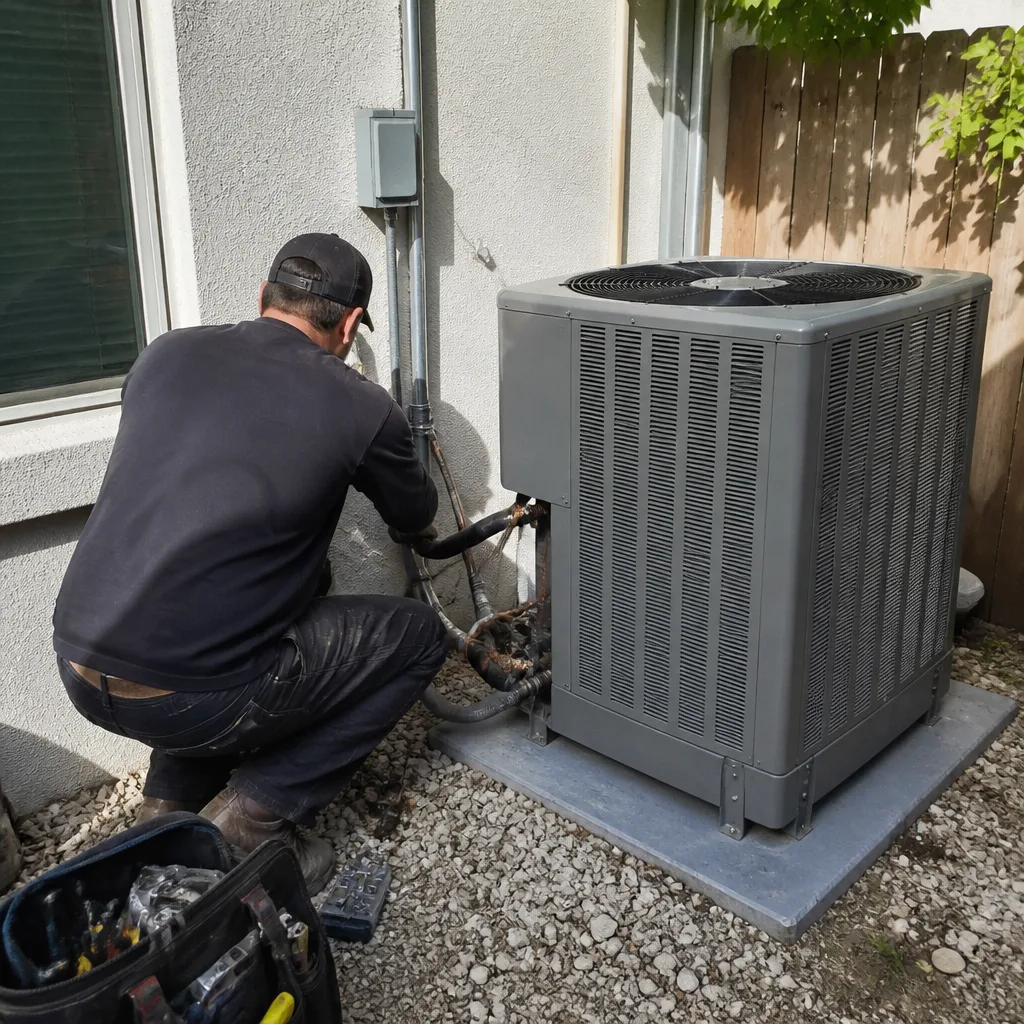
- HVAC system replacement or duct modification - including mini-split installations. Load calculations, refrigerant handling, and electrical connections all require licensed trades.
- Foundation repair, underpinning, or helical pier installation - engineered systems with structural implications; owner-builder exemption does not apply.
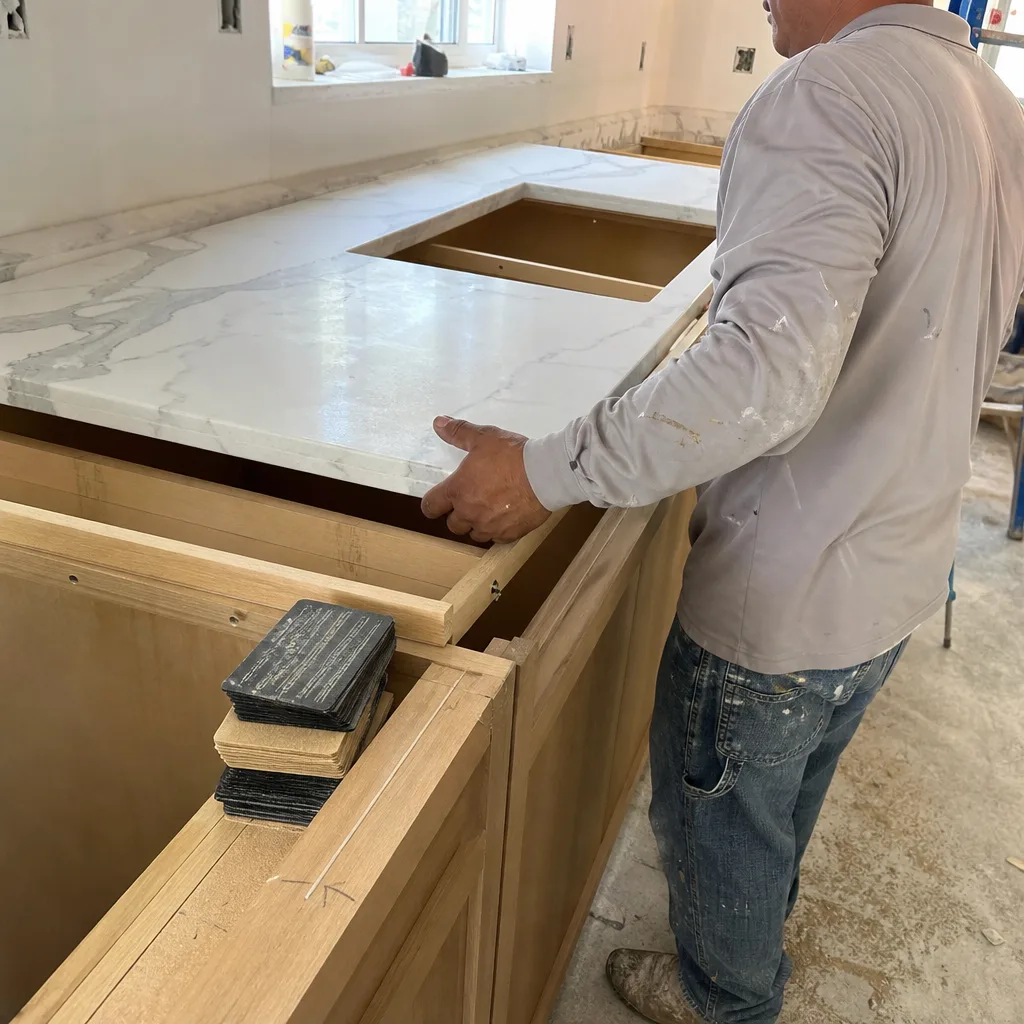
The gray area frustrates many homeowners. You can legally install your own kitchen cabinets, but if you move a sink or stove location, the plumbing and gas connections require licensed contractors. You can lay your own tile floor, but if the subfloor needs replacement in a wet area, that structural repair triggers permit and contractor requirements. The safe rule: if the work appears on the Florida Construction Industry Licensing Board’s trade examination, a license is required for anyone except the owner-builder acting within the narrow statutory exemption.
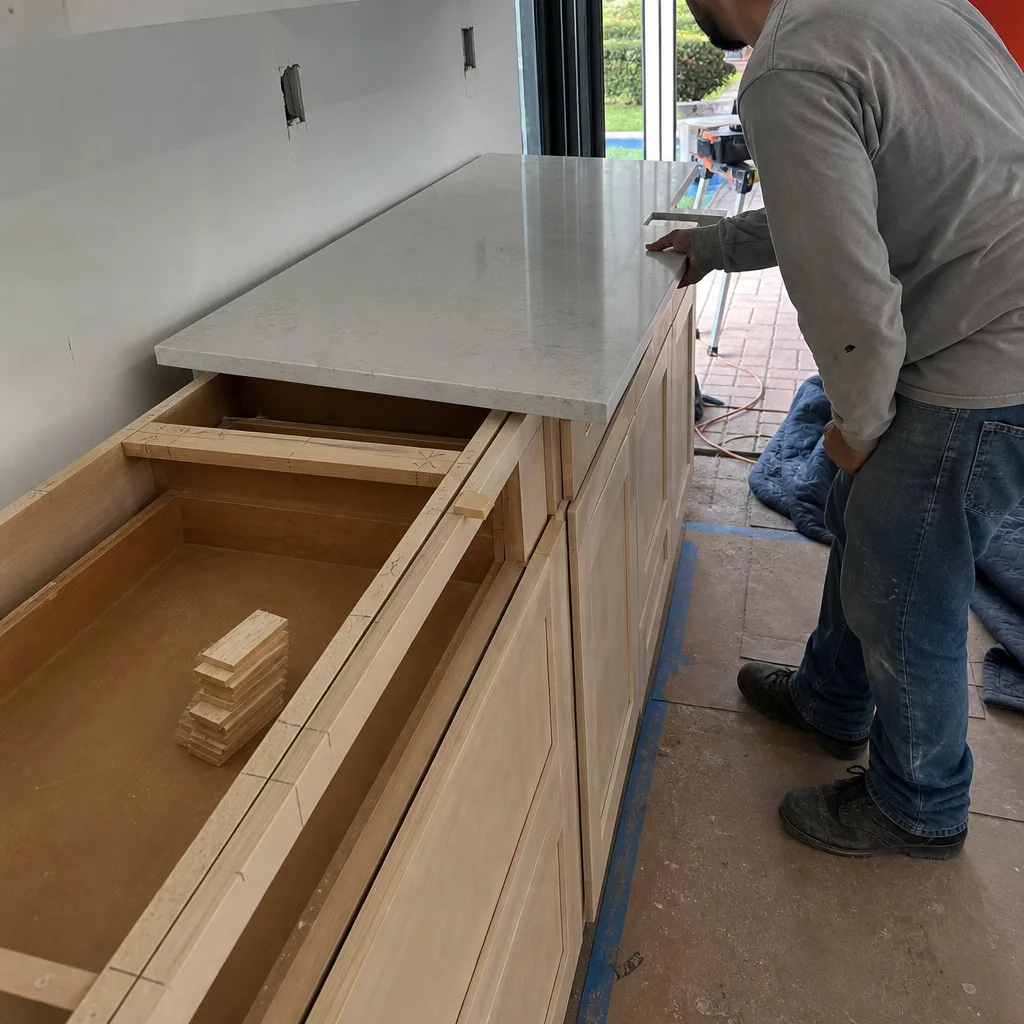
Kitchen remodeling in West Palm Beach illustrates this complexity perfectly. A homeowner can demolish their own cabinets, paint walls, and install new flooring. But the moment the project involves relocating a gas line for a cooktop, adding a 240V circuit for an induction range, or removing a wall to create an open plan, three separate licensed trades become legally mandatory. Rowan Construction Group coordinates these trades under a single written price and scope, which is why our kitchen remodeling in West Palm Beach projects finish within a few percent of the agreed number - the administrative discipline of signed change orders prevents the cost creep that fragments owner-managed projects.
Real Cost Comparison by Project Type
The DIY savings calculation most homeowners perform is incomplete. It compares material cost against a contractor’s total bid, ignoring permits, inspections, tool rental, the value of homeowner labor, and the cost of correcting failed inspections. Here is the actual math for common West Palm Beach projects, based on 2024 permit fee schedules and our experience across 4,000-plus jobs.
Tile Backsplash (Legal DIY)
| Cost Component | DIY | Professional |
|---|---|---|
| Materials (tile, mortar, grout, sealant) | $180-$320 | $180-$320 |
| Labor | Homeowner time (8-12 hrs) | $400-$900 |
| Permit | Not required for vertical surface under 25 sq ft | N/A |
| Tool rental/purchase | $80-$150 (wet saw, mixer) | Included |
| Re-work risk | Low for experienced homeowner | Contractor warranty |
| Total Project Cost | $260-$470 + labor value | $580-$1,220 |
Conclusion: DIY saves $300-$750 if the homeowner has basic tiling skills and owns or can borrow tools. The break-even point is low because the work is legally permitted, technically forgiving, and carries minimal re-work risk.
Bathroom Floor Tile with Subfloor Repair (Gray Area)
| Cost Component | DIY (Owner-Builder Path) | Professional |
|---|---|---|
| Materials (tile, mortar, grout, waterproofing) | $350-$600 | $350-$600 |
| Subfloor replacement materials | $120-$250 | $120-$250 |
| Permit and inspection fees | $285-$425 (Palm Beach County) | Included in bid |
| Licensed plumbing (toilet reset, valve replacement) | $350-$600 | Included in bid |
| Engineered drawings (if structural) | $400-$800 | Included in bid |
| Tool rental | $120-$200 | Included |
| Re-inspection fees (30% fail first inspection) | $150-$300 | Contractor absorbs |
| Total Project Cost | $1,775-$3,175 + labor value | $2,800-$4,500 |
Conclusion: The DIY savings narrows to $1,000-$1,300, and that assumes the owner-builder path is followed correctly with all permits and licensed subcontractors. Most homeowners in this scenario either skip the permit (risking insurance voidance) or hire unlicensed help (risking criminal liability). The savings evaporate if either mistake occurs.
Electrical Circuit Addition (Illegal DIY Without License)
| Cost Component | Unpermitted DIY | Owner-Builder with Licensed Electrician | Professional Contractor |
|---|---|---|---|
| Materials (wire, breaker, receptacle, boxes) | $85-$150 | $85-$150 | $85-$150 |
| Licensed electrical labor | None (illegal) | $450-$750 | $450-$750 |
| Permit and inspection | Skipped | $185-$275 | Included |
| Panel upgrade (if required) | Unknown until failure | $1,200-$2,400 | Identified in initial scope |
| Code correction after failed inspection | N/A (no inspection) | $200-$600 | Contractor absorbs |
| Insurance claim denial (fire, injury) | Total policy exposure | None | None |
| Total Project Cost | $85-$150 + unlimited liability | $1,920-$3,175 | $1,800-$3,200 |
Conclusion: The unpermitted DIY “saves” $1,700-$3,100 in immediate cash but transfers unlimited liability to the homeowner. The owner-builder path with licensed electrician costs roughly the same as hiring a general contractor, with the added burden of permit management and liability assumption. There is no financial scenario where DIY electrical work makes sense for a West Palm Beach homeowner who is not themselves a licensed electrical contractor.
These numbers reflect what we’ve documented across our project history. The written price we deliver before any work starts includes all permit fees, inspection costs, and a contingency allowance for concealed conditions - rotted subfloor beneath tile, aluminum wiring in a 1960s Grandview Heights bungalow, inadequate header support above a load-bearing wall. Homeowner estimates consistently miss these conditions because they lack the diagnostic process that precedes our written quotes.
Insurance Implications of Unpermitted or Unlicensed Work
Standard Florida HO-3 homeowner policies contain two relevant exclusions. The first excludes damage caused by “faulty, inadequate, or defective” work performed by the insured or at their direction. The second excludes coverage for code violations that the insured knew or should have known existed. These exclusions operate independently of permit status - an unpermitted repair is presumptively defective, and a permitted but failed inspection creates a known code violation.
Here’s how this plays out in West Palm Beach claims. A homeowner in the South End neighborhood self-performs a bathroom renovation, properly pulls an owner-builder permit, but installs the shower pan without the required flood test documentation. Two years later, water intrusion damages the ceiling below. The insurer denies the claim, citing the defective work exclusion and the lack of final inspection. The homeowner is now litigating against their own carrier, with legal fees exceeding the repair cost.
More severe scenarios involve injury. A homeowner in Northwood hires an unlicensed handyman to help remove a load-bearing wall. The wall is inadequately supported during removal; the handyman is injured when the ceiling partially collapses. The homeowner’s insurer denies the liability claim because the work was performed by an unlicensed contractor at the homeowner’s direction, triggering the “business pursuits” exclusion. The homeowner pays the handyman’s medical bills and disability settlement from personal assets.
Florida’s construction defect statute, Chapter 558, adds another layer. Before suing a contractor for construction defects, a homeowner must provide written notice and a 60-day cure period. This protection does not apply to owner-builder work. If you self-perform and the work fails, you have no statutory pre-suit process and no contractor’s insurance to tap. The cost of remediation falls entirely on you, with no recourse.
The documented photo record we provide on every visit serves a specific purpose in this landscape. If a future insurance claim or sale inspection questions work we performed, the customer has dated, geotagged evidence of the condition we found and the work we completed. This is not marketing - it is risk documentation that has resolved disputes for our customers in West Palm Beach and across Palm Beach County.
When Professional Is Unambiguously Cheaper
Three project categories consistently produce higher total cost for DIY attempts than for professional engagement from the start. The pattern is not about labor rates. It is about the intersection of Florida’s strict codes, West Palm Beach’s specific climate exposures, and the hidden conditions that reveal themselves only after work begins.
Hurricane Strapping and Wind Mitigation Upgrades
Florida Building Code requires specific metal connector patterns for roof-to-wall and wall-to-foundation connections in wind-borne debris regions. West Palm Beach sits in a 170 mph wind speed zone. The correct strapping pattern depends on the year of construction, the framing type, and the roof pitch - variables that require a structural evaluation. Homeowners who self-perform often install connectors that meet the generic specification but fail the specific connection test required for wind mitigation insurance discounts. The re-work involves removing drywall, adding connectors, and re-inspecting, typically costing $1,800-$4,200 more than the original professional bid. Rowan Construction Group sources connectors from Simpson Strong-Tie and USP Structural Connectors with specific product approval numbers documented in the written scope.
Roof Deck Replacement
This is not shingle replacement. This is the removal of roofing materials to expose and replace the wood sheathing beneath. Florida requires Miami-Dade or Florida Product Approval on all decking materials, specific fastening patterns (ring-shank nails at 6 inches on center in the field, 4 inches at edges), and ice-and-water shield in valleys. West Palm Beach’s high humidity and salt air accelerate sheathing rot, particularly in homes built before 1990 in neighborhoods like El Cid and Flamingo Park. The DIY homeowner who discovers rotten decking beneath old shingles faces a decision: patch with available materials (failing inspection) or halt work and source approved materials (extending project duration and exposing the structure to weather). Professional roofing contractors maintain inventory of approved materials and crew capacity to complete deck replacement before weather intrusion. Roofing in West Palm Beach through Rowan Construction Group includes a written price that accounts for decking replacement based on attic inspection - no surprises, no exposed structure.
Load-Bearing Wall Removal for Open Floor Plans
This is the project that generates the most expensive DIY failures we encounter. The homeowner removes a wall, installs a header that “looks right,” and finishes the space. Two years later, ceiling cracks appear, doors stick, and the roofline shows visible sag. The repair requires a structural engineer’s evaluation ($800-$1,500), permit correction ($400-$600), installation of an engineered beam or flush-frame header ($2,400-$5,800), and repair of finished surfaces ($1,200-$3,600). Total cost: $4,800-$11,500. The original professional bid for the same work, properly engineered and permitted, typically ranges $3,500-$7,200. The DIY “savings” of $2,000-$3,000 in labor becomes a net cost increase of $2,000-$4,000, plus the inconvenience of living in a construction zone twice.
We’ve performed this repair three times in West Palm Beach since 2022, always on homes where the owner or an unlicensed contractor removed the wall without engineering. In each case, the customer said the same thing: “It looked fine when we finished.” Structural failure is not always immediate. It is always expensive.
The Permit Process in West Palm Beach
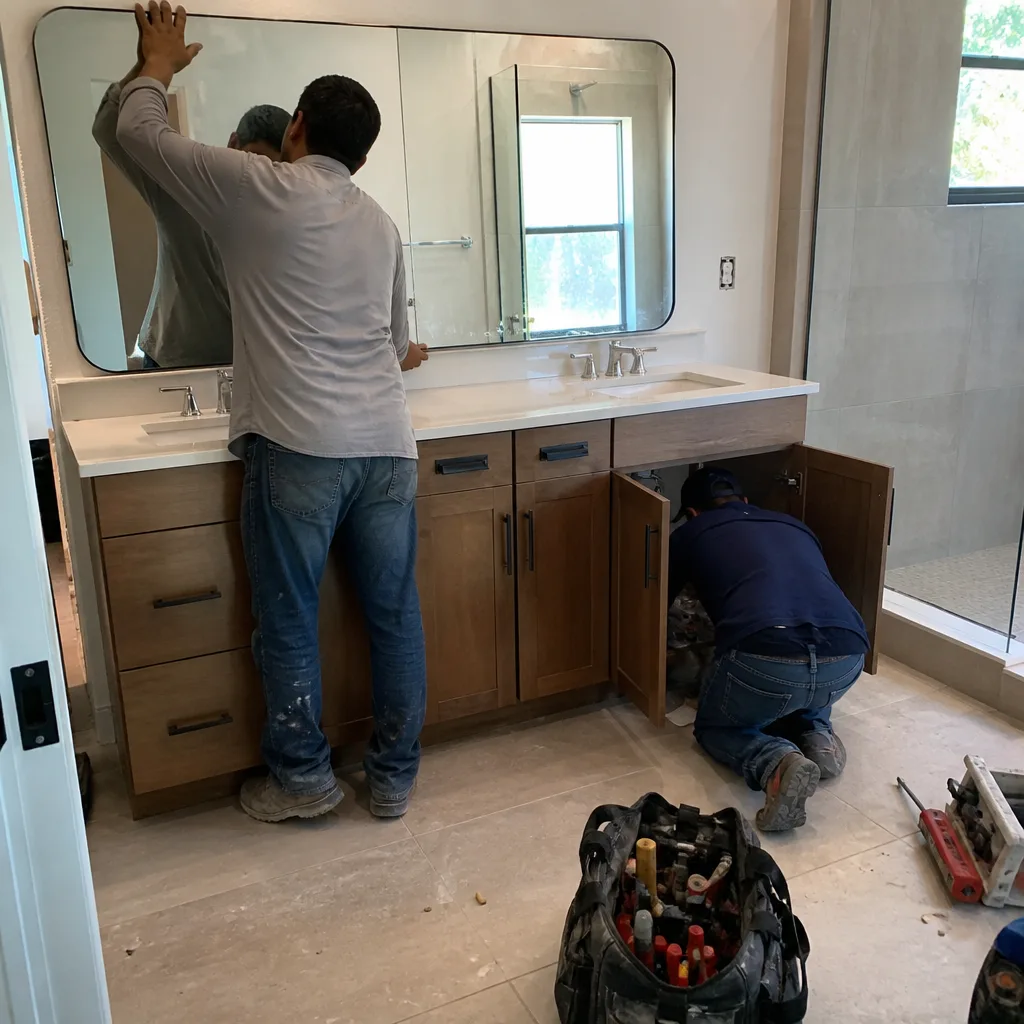
Understanding the permit process clarifies where DIY becomes impractical regardless of skill. The City of West Palm Beach Building Division and Palm Beach County Building Department share jurisdiction depending on location within the city limits. Most residential construction falls to the city.
- Determine jurisdiction. Enter your address at the Rowan Construction Group West Palm Beach home page or contact the Building Division directly. Unincorporated Palm Beach County addresses use the county permit system, which has different fee schedules and inspection timelines.
- Identify permit type. Building permits cover structural, roofing, and addition work. Electrical, plumbing, and mechanical permits are separate and require licensed contractor information. A homeowner can pull a building permit under the owner-builder exemption, but cannot pull electrical, plumbing, or mechanical permits without a licensed subcontractor’s license number.
- Submit plans. For projects exceeding $5,000 or involving structural modification, two sets of construction documents are required. Plans must be drawn to scale and include Florida Product Approval numbers for windows, doors, and roofing materials. Most homeowners lack the drafting software and product knowledge to produce compliant plans.
- Pay fees and schedule inspections. Permit fees in West Palm Beach include a base fee, valuation fee (typically $8-$12 per $1,000 of project value), and plan review fee. Inspections must be scheduled 24 hours in advance and require the permit holder or licensed contractor present. Failed inspections incur re-inspection fees of $75-$150 per visit.
- Obtain final inspection and Certificate of Completion. The owner-builder must maintain the property as their primary residence for one year after final inspection, or obtain a contractor’s completion certificate before sale or lease.
The practical reality: a kitchen remodel with relocated plumbing and electrical requires four separate permits (building, electrical, plumbing, mechanical), coordinated inspections, and compliance with Florida Energy Code for lighting and appliance circuits. The administrative burden alone consumes 15-25 hours for someone unfamiliar with the system. Rowan Construction Group handles this coordination as standard; the customer’s time commitment is limited to material selection and two site meetings.
For bathroom remodeling in West Palm Beach, the permit complexity is similar. Wet area waterproofing, exhaust ventilation, and GFCI protection all trigger specific inspection points. Our written scope documents every inspection milestone so the customer knows exactly when crews will be present and what must be visible for the inspector.
Common Mistakes to Avoid
- Assuming online research substitutes for code knowledge. YouTube videos filmed in Ohio or Texas do not account for Florida’s wind-borne debris requirements, humidity-driven moisture barriers, or termite pretreatment standards. A waterproofing method that works in Arizona fails in West Palm Beach’s subtropical climate.
- Hiring “a guy who knows a guy” for electrical or plumbing. If the person is not licensed in Florida and you pay them, you are an unregistered contractor. The Palm Beach County Sheriff’s Office and DBPR actively investigate these arrangements, often triggered by neighbor complaints or utility work orders.
- Skipping the permit to save time. Unpermitted work must be disclosed in Florida residential sales. Buyers’ insurers may require inspection and permitting before policy issuance. The “saved” $400 permit fee becomes a $3,000-$8,000 sale obstacle.
- Underestimating tool costs for one-time use. A quality wet saw for tile work costs $800-$1,400 to purchase, $80-$120 per day to rent. For a single backsplash, rental makes sense. For a whole-house flooring project, the math changes - but so does the permit and inspection burden.
- Failing to account for the value of homeowner labor. A 40-hour kitchen demo and prep project “saves” $1,200-$2,000 in labor at the cost of your weekends and vacation time. If your hourly professional rate exceeds $50, the net savings may be negative.
- Ignoring the one-year owner-occupancy requirement. West Palm Beach’s job market is active; relocation within twelve months of project completion is common. The owner-builder who must sell before the one-year restriction expires faces permit closure costs of $800-$2,000 plus contractor markup.
- Neglecting to verify Florida Product Approval on materials. Big-box retailers stock products approved for national sale, not necessarily for Florida’s wind-borne debris regions. A window or door without the proper approval number will fail inspection and must be removed at full replacement cost.
When to Call a Professional
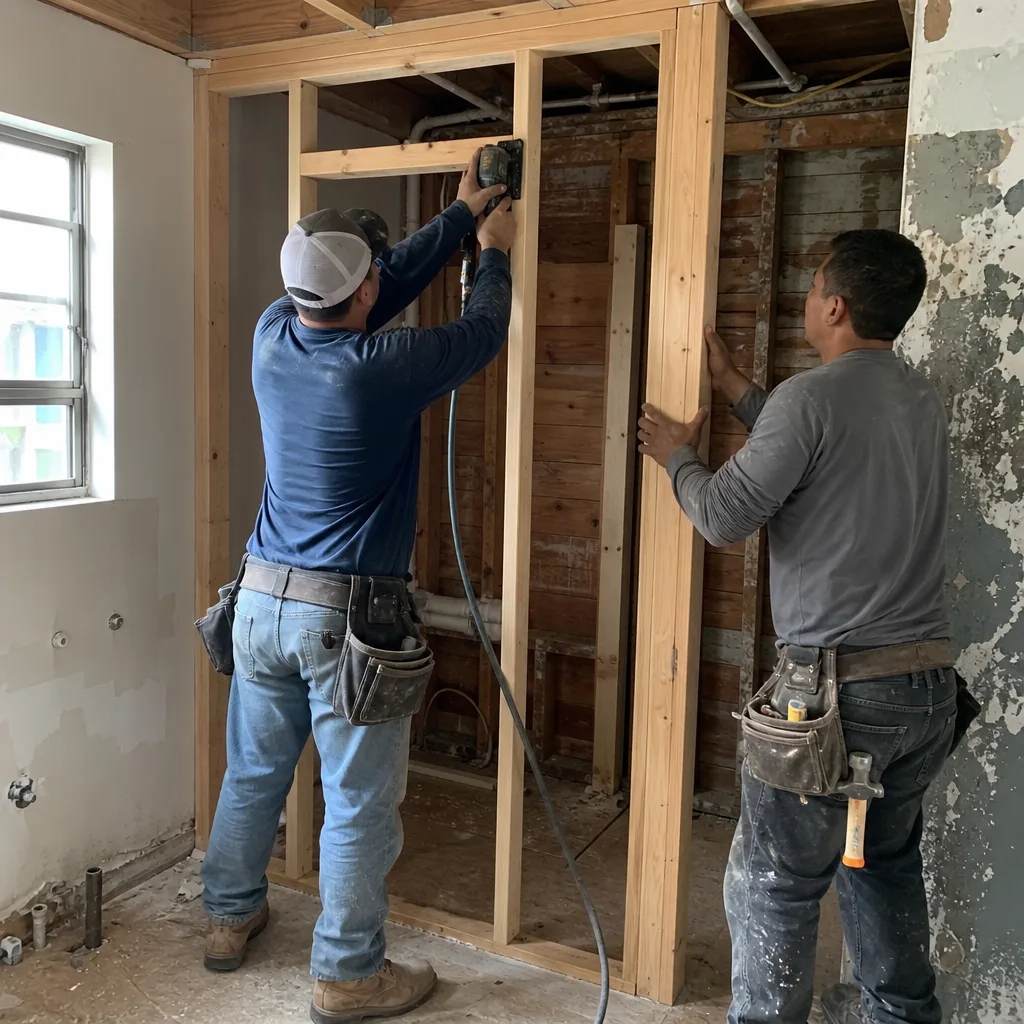
Call a licensed contractor when the project involves any of the following: electrical panel work, gas lines, load-bearing walls, roof deck replacement, foundation repair, or any work requiring a building permit where you cannot personally supervise every hour of labor. Call when your time value exceeds the labor savings, when the project timeline matters for family or work reasons, or when you need the work documented for insurance, resale, or warranty purposes.
Rowan Construction Group West Palm Beach offers free estimates in West Palm Beach - call (561) 475-3903. Every estimate includes a written price, written scope, and written warranty before any work starts. We review competitor quotes line by line at no charge through our Free Second Opinion program. The Haven Standard requires it: Clause 1 is the written price, and that applies whether you hire us or simply need clarity on what another contractor proposed.
Frequently Asked Questions
Yes, if you occupy the home as your primary residence, pull the proper permits, and do not hire unlicensed help for electrical, plumbing, or structural work. You can self-perform demolition, painting, flooring, and cabinet installation. Any electrical circuit additions, gas line modifications, or wall removals require licensed contractors regardless of your skill level. Call (561) 475-3903 for a written price on the portions you prefer not to self-perform - estimates are free.
Permit fees for a typical bathroom remodel range from $285 to $650 depending on project valuation and whether electrical or plumbing permits are bundled. Palm Beach County adds a plan review fee for projects over $5,000. Re-inspection fees are $75-$150 if the work fails initial inspection. These costs are included in Rowan Construction Group’s written price, with no separate permit line item. Call (561) 475-3903 for an exact quote based on your specific scope.
Probably not, if the damage resulted from unpermitted work, work performed without a required license, or a known code violation. Standard HO-3 policies exclude damage from defective work performed by the insured. The exclusion applies even if the work was done carefully and the defect was not apparent at completion. Permitted work with passed inspections provides the documentation insurers require. For bathroom projects with wet-area waterproofing, professional installation with permit and inspection is the only reliable insurance protection.
Open permits must be disclosed to buyers and typically must be closed before closing. The buyer’s lender may require Certificate of Completion from a licensed contractor. Closing with open permits is possible but requires escrow holdbacks of $5,000-$15,000 and often extends the sale timeline by 30-60 days. The cost to close permits retroactively usually exceeds the original permit cost by 200-400% because the work must be exposed for inspection.
For accessory dwelling units, professional construction is almost always cheaper in total cost. ADUs require foundation, framing, electrical, plumbing, HVAC, and roofing - all with separate licensed trades and inspections. The owner-builder must coordinate six or more subcontractors, manage permit sequencing, and assume liability for scheduling conflicts and code compliance. Rowan Construction Group’s ADU projects benefit from sourcing depth across fifty-plus vetted brands including Abodu and Cover for modular options, and Dvele for precision-built systems. The written price includes all coordination; the owner-builder’s hidden cost is time, risk, and the frequent need for corrective work. Call (561) 475-3903 for ADU pricing specific to your property.
Search the Florida Department of Business and Professional Regulation license lookup at myfloridalicense.com using the contractor’s name or license number. Verify that the license is current, in good standing, and covers the specific trade you need. General contractors hold a Certified General Contractor (CGC) or Registered General Contractor (RGC) license; specialty trades require separate certifications. Rowan Construction Group’s license number appears on every proposal and page; every crew member is verified before arriving at your property.
The Bottom Line
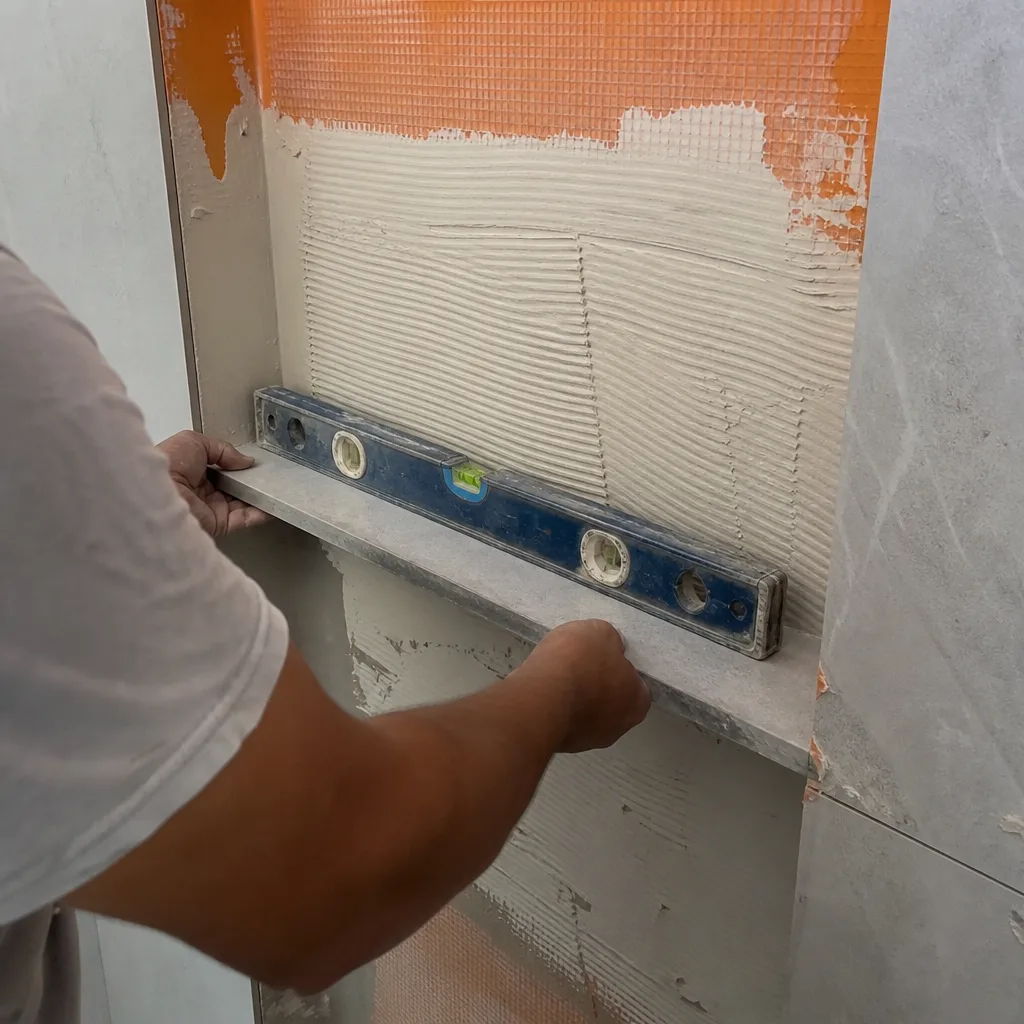
The DIY versus professional decision in West Palm Beach is a legal and financial calculation, not a test of homeowner capability. Florida law permits self-performance of cosmetic and non-structural work on your primary residence, but draws a hard line at electrical, gas, structural, and roofing work that affects life safety. The financial break-even point sits around $2,500 in project value for permitted, legal DIY; above that, the cost of permits, licensed subcontractors, inspection management, and re-work risk typically makes professional engagement cheaper in total cost. For projects involving hurricane strapping, roof deck replacement, or load-bearing wall modification, professional work is unambiguously less expensive when measured across the full project lifecycle including insurance protection and resale value. The Haven Standard exists because we’ve documented these outcomes across 4,000-plus projects since 2007: a written price before any work starts, a signed change order before any deviation, and a documented photo record when the crew leaves. That discipline keeps projects within a few percent of the agreed number. Anything less is a gamble with your money, your time, and your legal liability.
Written by Grant Rowan, Owner at Rowan Construction Group West Palm Beach, serving West Palm Beach since 2007.