
Free written scope consultation - allowances, timeline, and change-order rules on paper before a single trade is scheduled
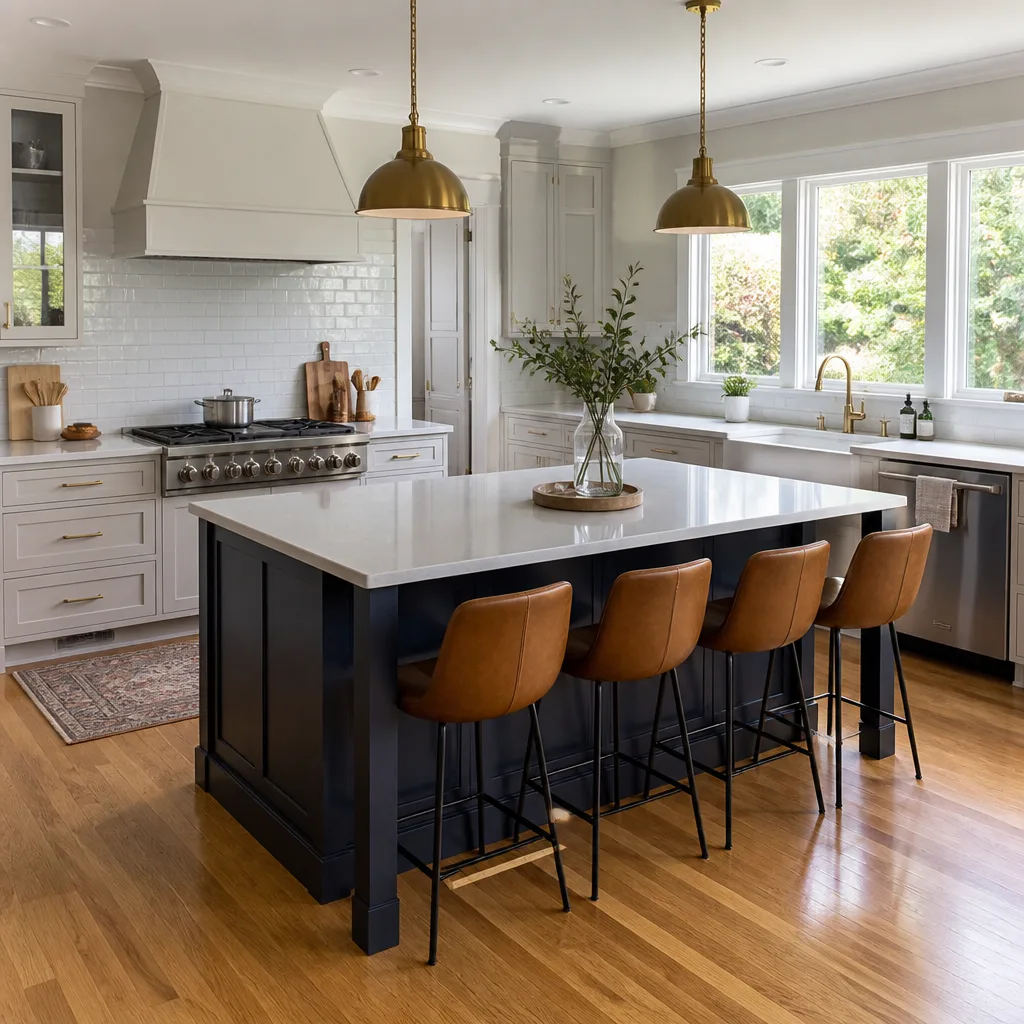
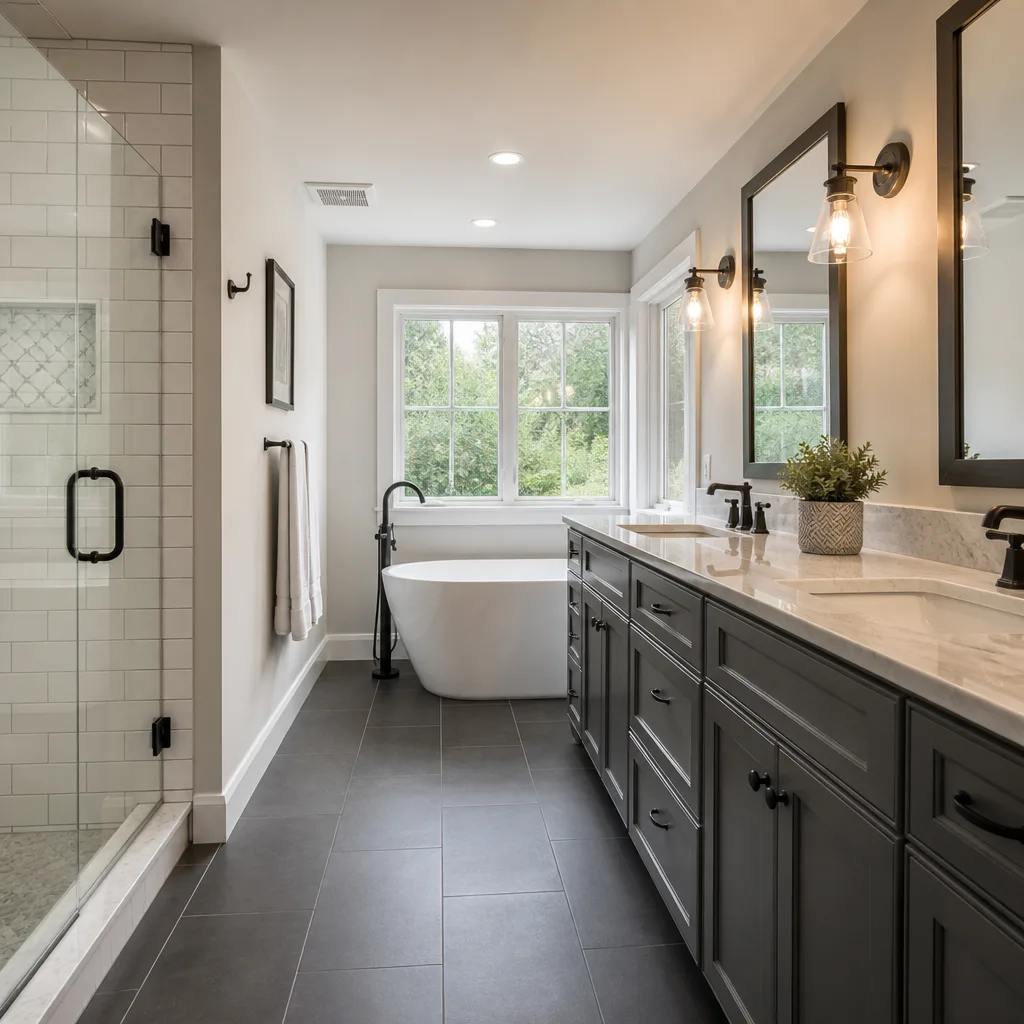
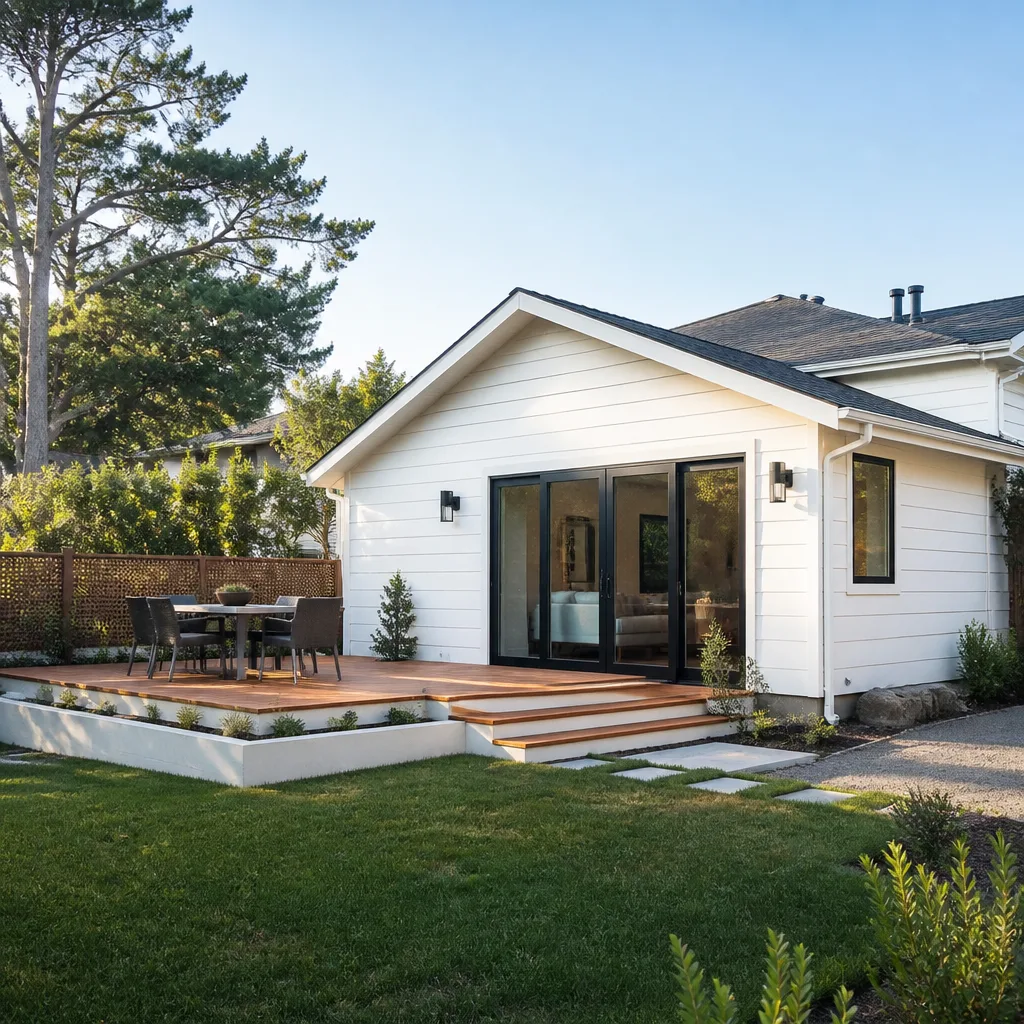
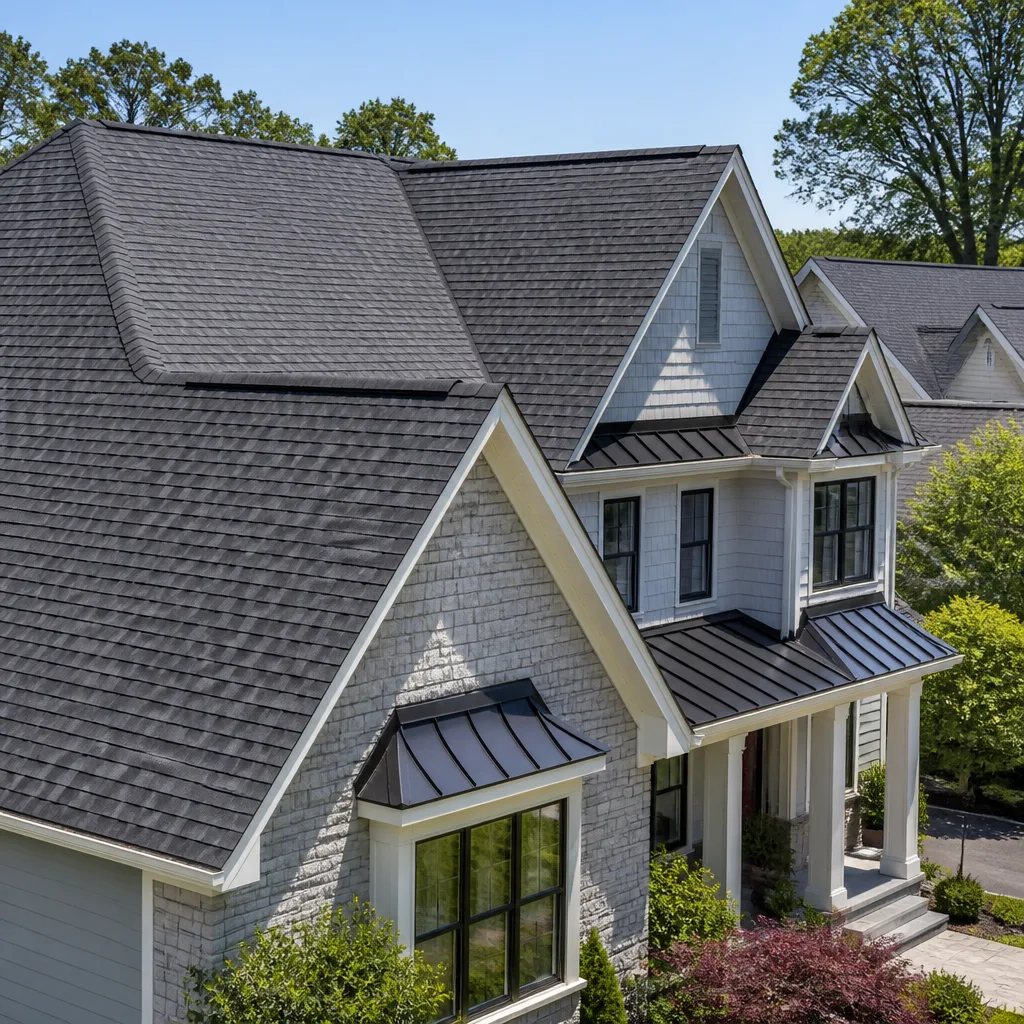
 Before
 After
After Before
 After
After Before
 After
AfterActiveYards Home Additions & ADU: The West Palm Beach Owner’s Guide
ActiveYards home additions and ADU components in West Palm Beach typically run $45,000-$130,000 installed, depending on whether you’re extending an existing structure or building a detached unit from slab to roof. We stock ActiveYards-compatible structural hardware, siding systems, and connector kits for same-day assessment, and most component replacements on existing ActiveYards additions can be quoted within 24 hours. Homeowners usually discover a problem when the Florida humidity reveals itself through warped fascia boards, a sagging roofline where the addition meets the original structure, or water pooling at the foundation seam after a heavy storm.
Which ActiveYards Models This Applies To
ActiveYards produces three distinct product lines that affect how we source replacement parts: the Haven Series (pre-engineered panelized additions), the Summit Series (custom stick-framed ADUs with proprietary connection hardware), and the Legacy Series (older aluminum-frame sunroom conversions, many of which were installed across Palm Beach County between 2008 and 2016). The model designation is stamped on a metal tag inside the utility chase, usually near the electrical panel, or on the original permit drawings if you have them.
The critical compatibility gotcha in West Palm Beach is the coastal wind-load rating. ActiveYards shifted from 140-mph to 175-mph connectors after the 2017 code cycle, and the bolt patterns don’t interchange. We source OEM ActiveYards hardware through their Southeast distribution center in Fort Lauderdale, but for structural connectors on pre-2017 additions, we often spec Simpson Strong-Tie equivalents with the same ICC-ESR report numbers, documented in writing before installation. The Haven Standard requires that documentation. If your addition was built before 2017 and you’re replacing hurricane ties or ledger connectors, we’ll verify the code year on your original permit, because using the wrong series can fail inspection.
Signs Your ActiveYards Home Addition or ADU Is Failing
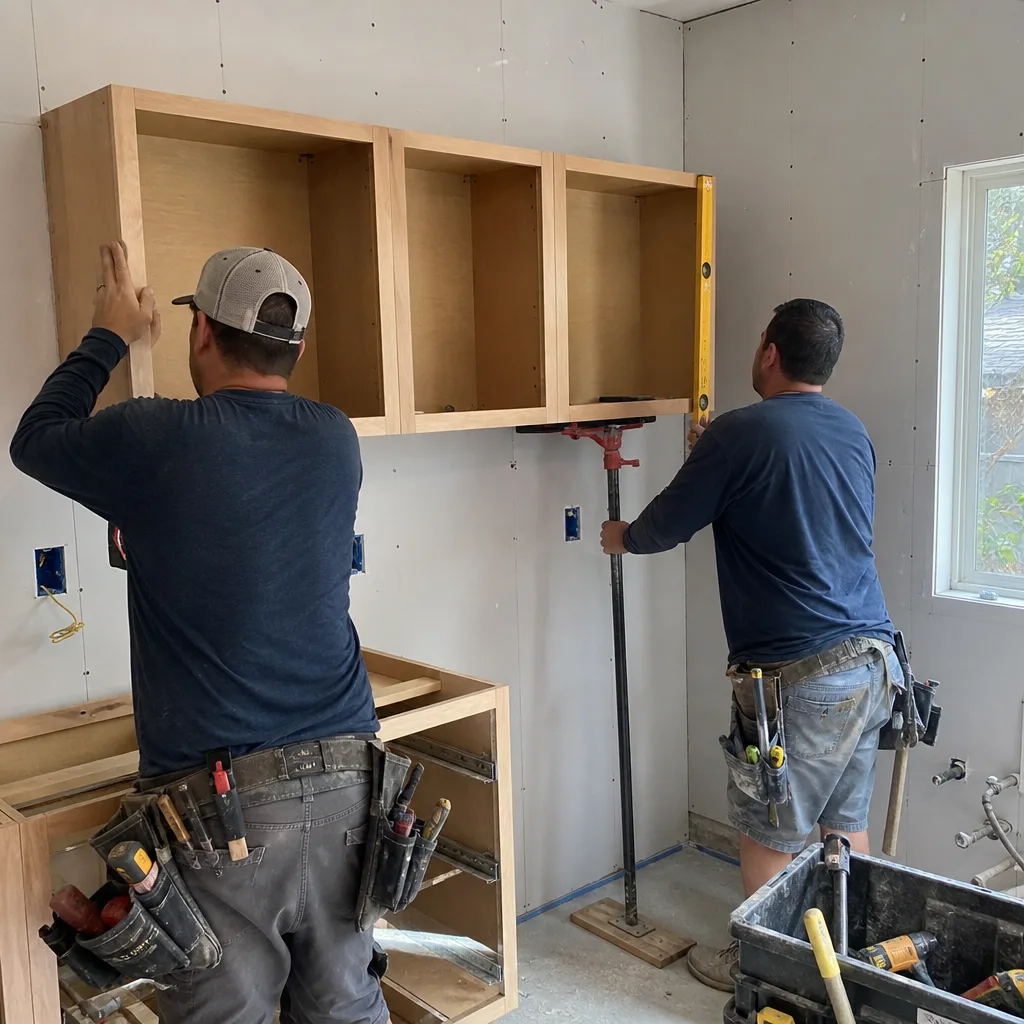
- Roofline sag where old meets new. This usually means the ledger board connection is degrading. In West Palm Beach, the combination of salt air and thermal cycling loosens lag bolts faster than inland installs. We check for rot in the original rim joist, which is common on additions built before pressure-treated ledger standards tightened in 2015.
- Water stains on the interior ceiling after storms. ActiveYards additions rely on a proprietary flashing profile at the roof-to-wall intersection. If the sealant bed behind the Z-flashing shrinks, water runs behind the siding and pools in the ceiling cavity. The fix isn’t more caulk; it’s pulling the siding course and resealing the flashing leg.
- Doors or windows that bind in summer but work in winter. This points to inadequate expansion gaps in the subfloor or wall framing. Florida’s humidity swing from March to September can move an unacclimated floor system 3/8 inch. ActiveYards Haven Series uses a floating sill plate that we see owners nail down during DIY repairs, which locks the movement and cracks drywall.
- Cracks in the exterior stucco running diagonally from window corners. These follow the steel reinforcing in the ActiveYards panelized walls when the foundation settles unevenly. In West Palm Beach’s sandy soils, particularly near the Intracoastal, additions without proper compaction during original construction show this at year five to seven.
- HVAC can’t keep the addition within five degrees of the main house. The ductwork in ActiveYards ADUs is often undersized for the latent load, but the real culprit we find is missing or compressed insulation in the roof chase. Blown cellulose settles 20 percent in the first two years, and the Haven Series roof cavity is shallow.
BeforeAfterReplacement Cost & What’s Included
| Component/Scope | West Palm Beach Range |
|---|---|
| Structural connector/hardware replacement (ledger, hurricane ties) | $2,800-$6,500 |
| Roof-to-wall flashing repair with siding removal | $3,500-$8,000 |
| Subfloor leveling/expansion gap correction | $4,200-$9,500 |
| Foundation stabilization (helical piers, typical 4-point) | $8,500-$18,000 |
| Full roof chase insulation replacement | $3,000-$7,500 |
| Complete ActiveYards addition rebuild (same footprint) | $45,000-$130,000 |
The range depends on three factors: access (working around mature landscaping on Flagler Drive properties adds time), whether the original ActiveYards components are still in production, and if we need to match stucco texture or siding fade. Every quote is flat-priced with a written scope before work starts, per Clause 1 of the Haven Standard. We pull permits and schedule inspections; the permit cost is listed as a line item, not buried in overhead. Workmanship carries our 365-Day Done Right Promise, and you’ll receive a documented photo record of each phase, including the pre-existing condition.
DIY or Call Us?
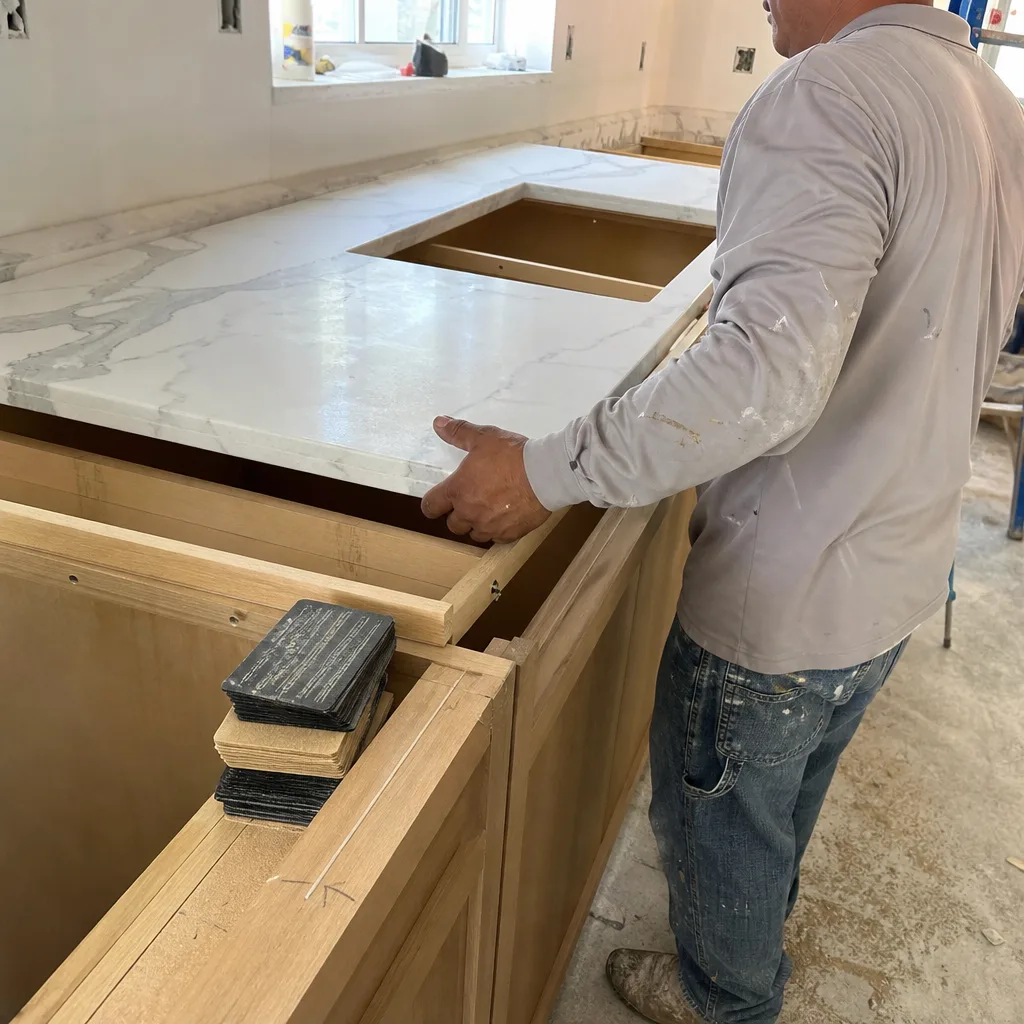
There’s a clear line here. An owner can safely check the model tag location, photograph any cracks or stains for documentation, and verify whether the original permit is available through the Palm Beach County building department portal. What we don’t recommend: removing siding courses to inspect flashing, cutting into the roof chase to check insulation, or attempting to tighten or replace structural connectors. Ledger connections and hurricane ties are life-safety elements in a 175-mph wind zone, and the sequencing matters. We’ve been called to West Palm Beach homes where a well-meaning owner removed the wrong bolt and compromised the lateral load path.
If you’re seeing the symptoms above, call (561) 475-3903. We’ll schedule a free assessment, confirm the ActiveYards series, and deliver a written price before any work starts.
FAQs
Structural hardware should last 25-30 years if properly installed, but the coastal environment shortens fastener life. We regularly see stainless-steel lag bolts showing corrosion at 12-15 years on oceanfront properties, and the proprietary flashing sealant typically needs refreshment at year 8-10. Call (561) 475-3903 and we’ll inspect the specific components on your addition.
Flashing and sealant can often be repaired. Structural connectors, once corroded or over-torqued, must be replaced. We don’t reuse hurricane ties or ledger bolts, and the Haven Standard prohibits it. Call (561) 475-3903 for an exact quote on your situation, estimates are free.
Hardware swaps on an accessible addition take one to two days. Flashing repair with siding removal runs three to four days, including drying time for sealant. Foundation work extends to one to two weeks. We provide a written schedule with the price, and no change to that schedule proceeds without a signed change order.
We carry Simpson Strong-Tie structural connectors, compatible flashing profiles, and sealants specified for coastal Florida on every West Palm Beach truck. ActiveYards-proprietary trim and panel components are sourced from Fort Lauderdale with a two-day lead time. We’ll confirm availability during your free estimate.
Rowan Construction Group West Palm Beach is an independent service provider and is not affiliated with ActiveYards. We also stock and install components for KraftMaid, Cambria, and Silestone product lines.
Measure twice, document everything, then get out of the way and let the work speak. That’s how Grant Rowan runs every crew in West Palm Beach, whether we’re replacing hurricane ties on a 2014 Haven Series addition off Flagler Drive or quoting a full ADU slab-to-roof build in the Northwood Historic District.
Written by Grant Rowan, Owner, Rowan Construction Group West Palm Beach at Rowan Construction Group West Palm Beach, serving West Palm Beach and nearby areas.