
Free written scope consultation - allowances, timeline, and change-order rules on paper before a single trade is scheduled
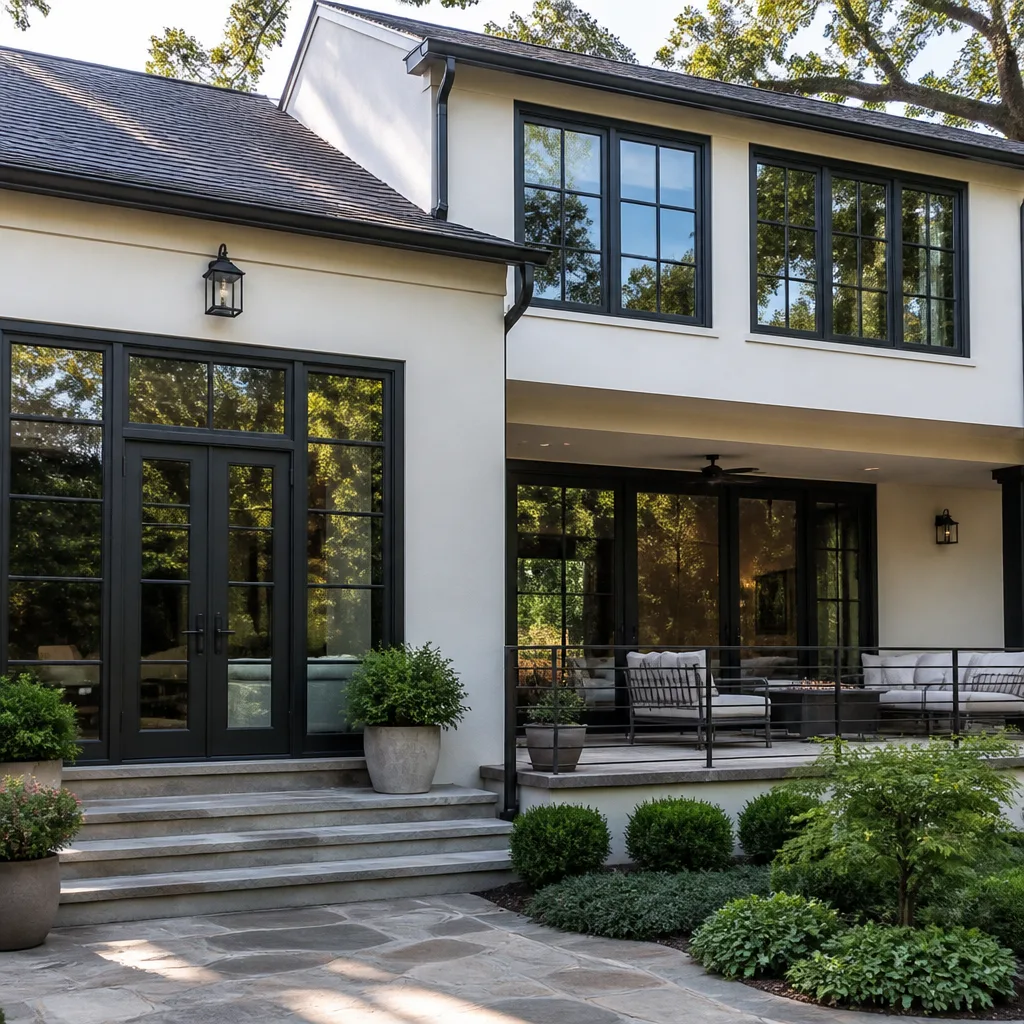
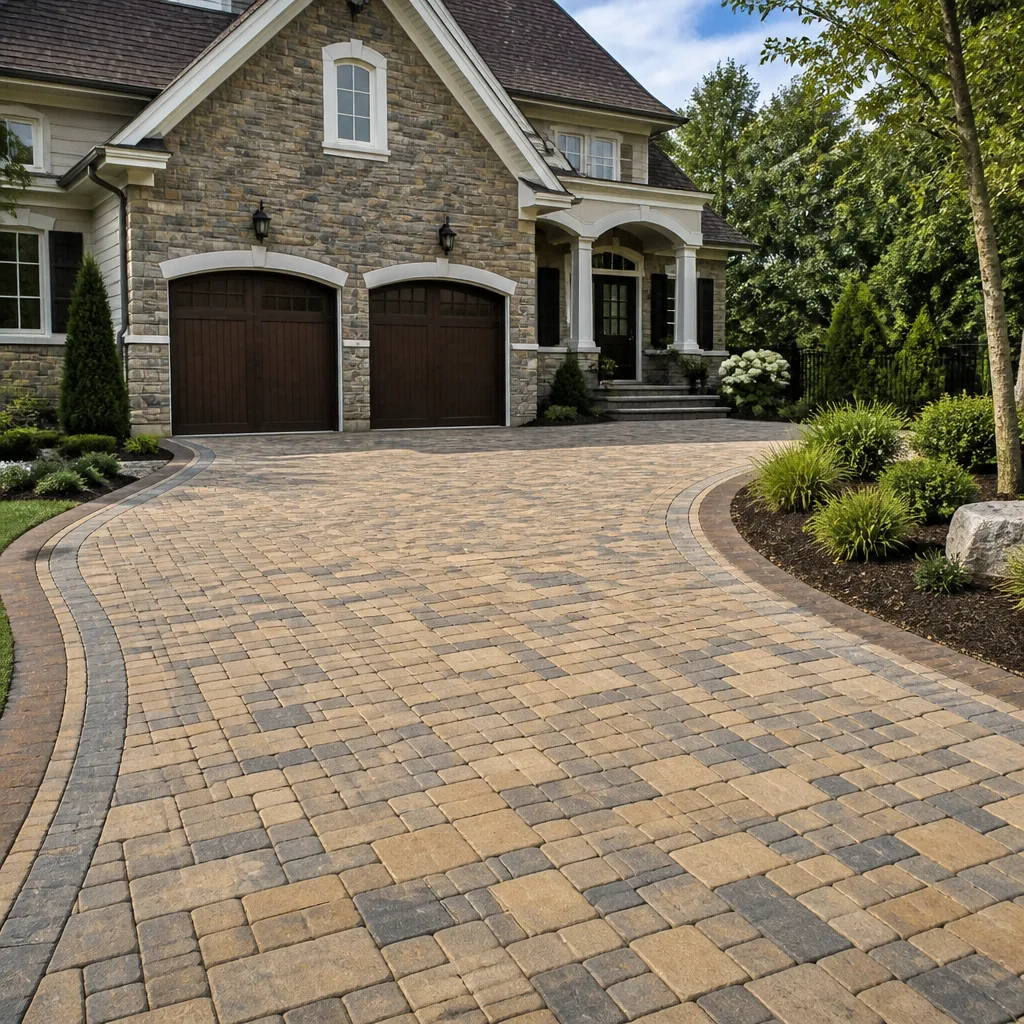
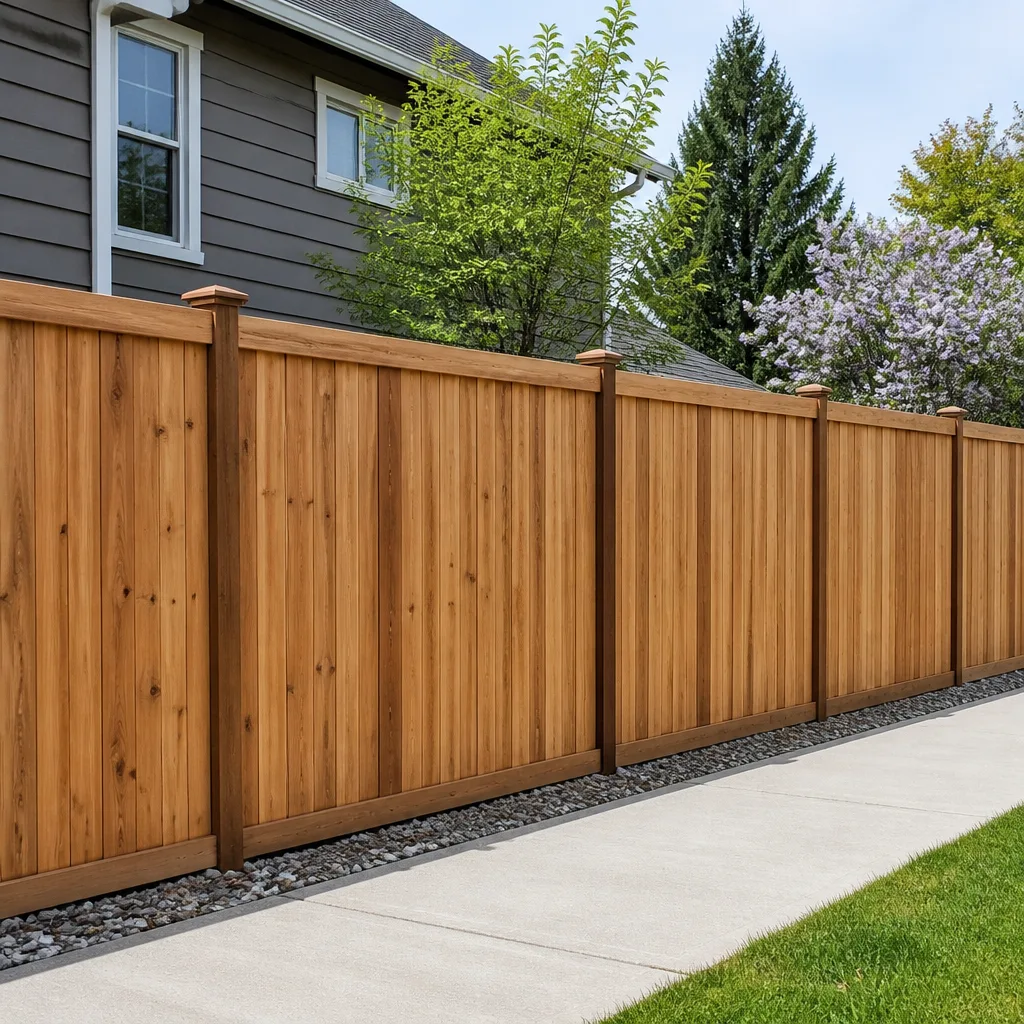
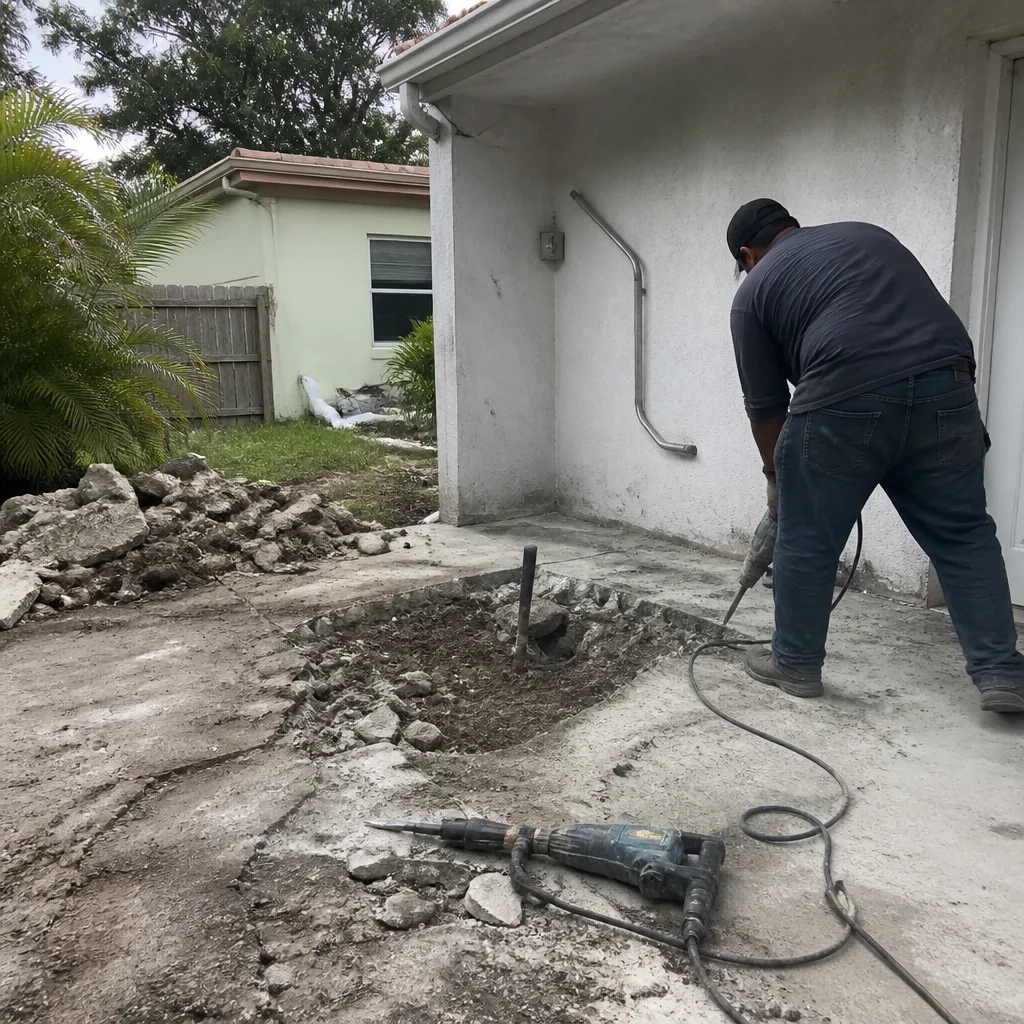 Before
 After
After Before
 After
After Before
 After
AfterJames Hardie Driveway & Pavers: The West Palm Beach Owner’s Guide
James Hardie does not manufacture driveway pavers or hardscape products; the brand’s core line is fiber-cement siding, trim, and backerboard. What West Palm Beach homeowners often need is James Hardie-compatible installation for driveways and pavers where the siding or trim interface meets the hardscape, or they’re working with a builder who specified James Hardie exterior cladding alongside Belgard, Techo-Bloc, or Unilock paver systems. We stock the critical transition components: fiber-cement skirt boards, Z-flashing, and drainage plane materials that keep water from wicking behind your siding where it meets the driveway or patio edge. Installed repair or replacement of these interface elements in West Palm Beach typically runs $800-$2,400 depending on linear footage and whether the substrate behind has taken moisture damage.
Most homeowners discover the problem after a heavy rain season, when they notice the bottom course of James Hardie siding swelling at the driveway edge, or they see efflorescence blooming on pavers where a missing or corroded flashing should have diverted water. In West Palm Beach, we see this most often on homes built between 2010 and 2019, when the original builder used standard galvanized flashing instead of the Z-flashing James Hardie specifies within 6 inches of finished grade.
Which James Hardie Installations This Applies To
The compatibility issue isn’t about a James Hardie paver model, it’s about how your James Hardie siding or trim terminates at a hardscape surface. We work with three common scenarios in West Palm Beach: homes with James Hardie HZ5 or HZ10 lap siding where the bottom course sits close to a paver driveway, homes with HardiePanel vertical siding on raised foundations with paver walkways, and homes with HardieTrim boards used as skirt boards above concrete or paver stoops.
To identify what you need, check the existing flashing. James Hardie specifies a minimum 6-inch clearance from finished grade to the bottom of siding, with Z-flashing (a bent metal profile that kicks out at the bottom) behind the siding and overlapping any horizontal surface. The original installer may have used coil stock aluminum, which corrodes in salt air within 5-7 years in coastal Palm Beach County, or they may have omitted the kick-out leg entirely. We carry both painted aluminum and stainless Z-flashing in 10-foot lengths, plus HardieTrim 4/4 and 5/4 skirt boards in Arctic White and Sail Cloth, the two colors we see most often on West Palm Beach homes. OEM James Hardie trim and flashing components are our standard; we don’t substitute with PVC or wood on these interfaces because the thermal expansion rates don’t match, and that’s where the seam fails.
Signs Your James Hardie-to-Hardscape Interface Is Failing
- Bottom course swelling or softening. Fiber cement absorbs water when the drainage plane is compromised. You’ll feel the give with a firm thumb press, or see the paint bubbling at the lap joint. This means water is running behind the siding from the driveway or patio edge, and the building paper or housewrap behind has failed or was never properly lapped.
- Efflorescence on adjacent pavers. White mineral deposits rising through your Belgard or Techo-Bloc pavers indicate water is collecting beneath the surface instead of draining away. Often the hardscape was poured or laid tight to the siding without the required expansion gap and through-wall flashing.
- Insect trails at the siding base. Termites and carpenter ants exploit the gap where siding meets hardscape. In West Palm Beach, Formosan termites are active year-round, and they find the softened fiber cement and any wood substrate behind it. The trail itself is a symptom; the cause is missing or failed flashing.
- Corroded or missing Z-flashing visible at the seam. If you can see bare metal or no metal at all where the siding meets the driveway, the original flashing has either rotted through or was never installed to James Hardie’s specification. Salt air accelerates this; we replace aluminum with stainless or copper in homes within 3 miles of the Intracoastal.
- Interior baseboard staining on walls adjacent to the driveway. Water migrating through the wall cavity shows up as brown staining or bubbling paint on the interior baseboard, typically 6-12 inches above the floor. By the time you see this, the exterior damage is extensive and the repair scope includes substrate replacement, not just flashing.
BeforeAfterReplacement Cost & What’s Included
We price these repairs by linear foot of interface, with three tiers based on what we find when we open the wall. For West Palm Beach homes, here’s the structure:
| Scope | Price Range | What’s Included |
|---|---|---|
| Flashing replacement only | $800-$1,400 | Remove bottom course, install stainless Z-flashing, replace with new HardieTrim or siding, caulk, paint match |
| Flashing + substrate repair | $1,400-$2,000 | Above, plus replace water-damaged sheathing or studs, install new building paper, verify drainage plane continuity |
| Full interface rebuild | $2,000-$2,400 | Above, plus address paver elevation or pitch to restore code-required 6-inch clearance, coordinate with paver contractor if needed |
The range driver is almost always hidden moisture damage. We don’t know the extent until we remove the siding, which is why our written quote includes a “not-to-exceed” clause: if we open the wall and find more damage than expected, we stop work, photograph everything, and present a revised scope with a signed change order before proceeding. Under Clause 1 of the Haven Standard, the price is written before anyone starts; under Clause 3, no change proceeds without that signed change order. Every repair carries our 365-Day Done Right Promise, and you receive the documented photo record as standard, not an upgrade.
DIY or Call Us?
What you can safely check yourself: confirm the 6-inch clearance from your driveway or paver surface to the bottom of the James Hardie siding, look for visible flashing at the seam, and probe any soft spots with a screwdriver handle (don’t puncture the siding, just test for give). If you find soft fiber cement, stop there. The material behind it is compromised, and opening the wall without proper containment risks spreading mold spores or disturbing termite galleries.
Where DIY goes wrong: cutting fiber cement without a HEPA vacuum and respirator exposes you to silica dust, which James Hardie discloses in its safety data sheets. More critically, improper flashing installation traps water instead of shedding it, and the damage won’t show for 12-18 months, when your warranty claim is denied and the repair scope has tripled. We’ve rebuilt five of these in West Palm Beach in the past two years where a homeowner’s “simple” flashing replacement skipped the building paper overlap or used the wrong fastener type, voiding the James Hardie material warranty. Call (561) 475-3903 for a free estimate. We’ll show you exactly what we found, what it costs, and what the photo record will look like before we start.
FAQs
Properly installed stainless or copper Z-flashing with correct clearances should last 20-25 years, even in coastal Palm Beach County salt air. Aluminum flashing in the same environment typically fails in 5-8 years, which is why we see the bulk of these repairs on homes built 2010-2019. Call (561) 475-3903 for an exact quote on upgrading to stainless - estimates are free.
Fiber cement does not repair like wood. Once it has absorbed water and softened, the structural integrity is gone, and patching compounds won’t bond to the compromised substrate. We replace the damaged course or trim board with new James Hardie material, matched to existing color where possible, or we quote a partial re-skin if the color has faded unevenly. Call (561) 475-3903 for an exact quote - estimates are free.
Flashing-only replacement is typically one day. Scope that includes substrate repair runs two to three days, accounting for drying time if we apply fungicidal treatment to framing. Full interface rebuilds with paver elevation adjustment coordinate with our paver specialist and run three to five days. We don’t quote same-day completion on this work; the drying and inspection steps matter more than speed. Call (561) 475-3903 to schedule.
We stock HardieTrim 4/4 and 5/4 in Arctic White and Sail Cloth, plus stainless Z-flashing in 10-foot lengths, on our West Palm Beach warehouse shelf. Other James Hardie colors or HZ10 lap siding match orders typically arrive in 3-5 business days from the Tampa distribution center. We don’t start work until all materials are on-site and verified against the written scope. Call (561) 475-3903 to confirm current stock for your color.
Rowan Construction Group West Palm Beach is an independent service provider and is not affiliated with James Hardie Building Products. We also stock and install materials from KraftMaid, Cambria, and Silestone across our seven trades.
Measure twice, document everything, then get out of the way and let the work speak. That’s how we’ve kept project costs within a few percent of the agreed price across 4,000-plus jobs since 2007.
Written by Grant Rowan, Owner, Rowan Construction Group West Palm Beach at Rowan Construction Group West Palm Beach, serving West Palm Beach and nearby areas.