
Last updated September 22, 2026
Free written scope consultation - allowances, timeline, and change-order rules on paper before a single trade is scheduled
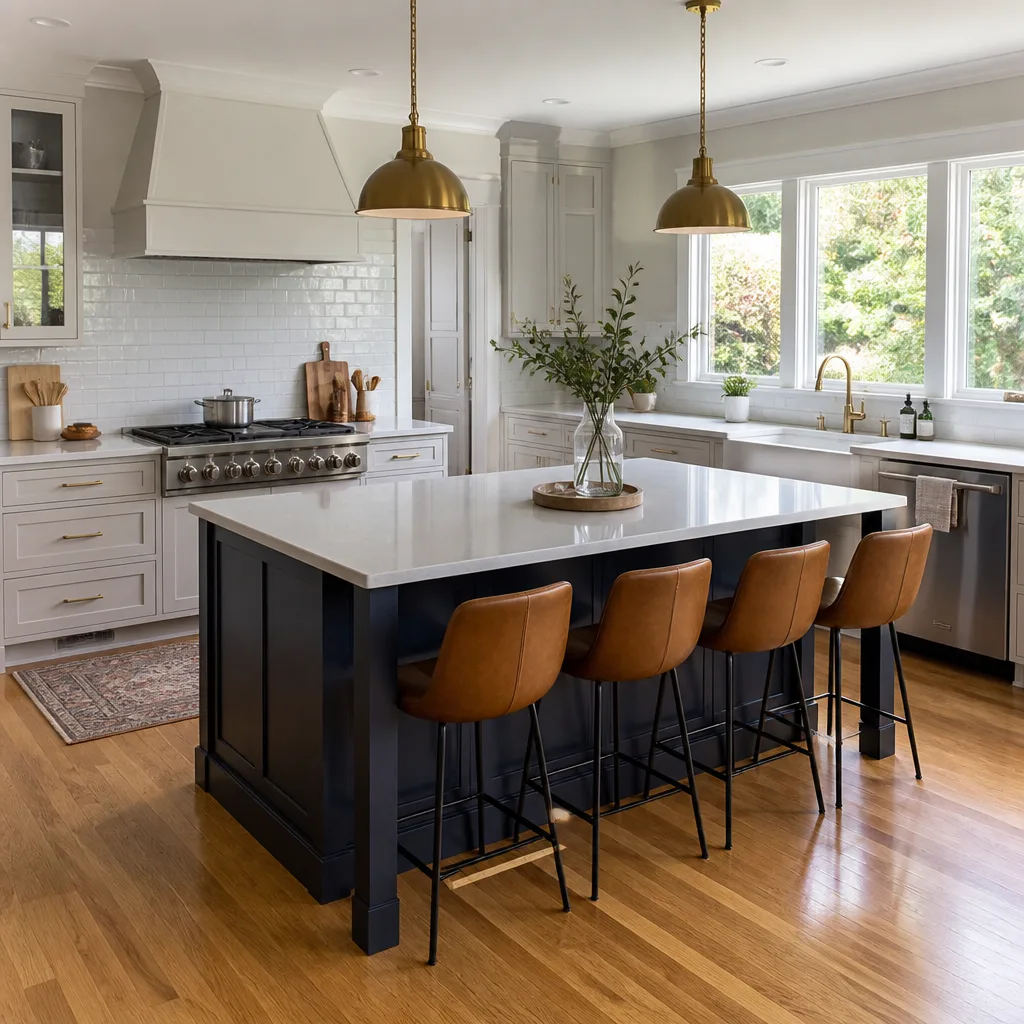
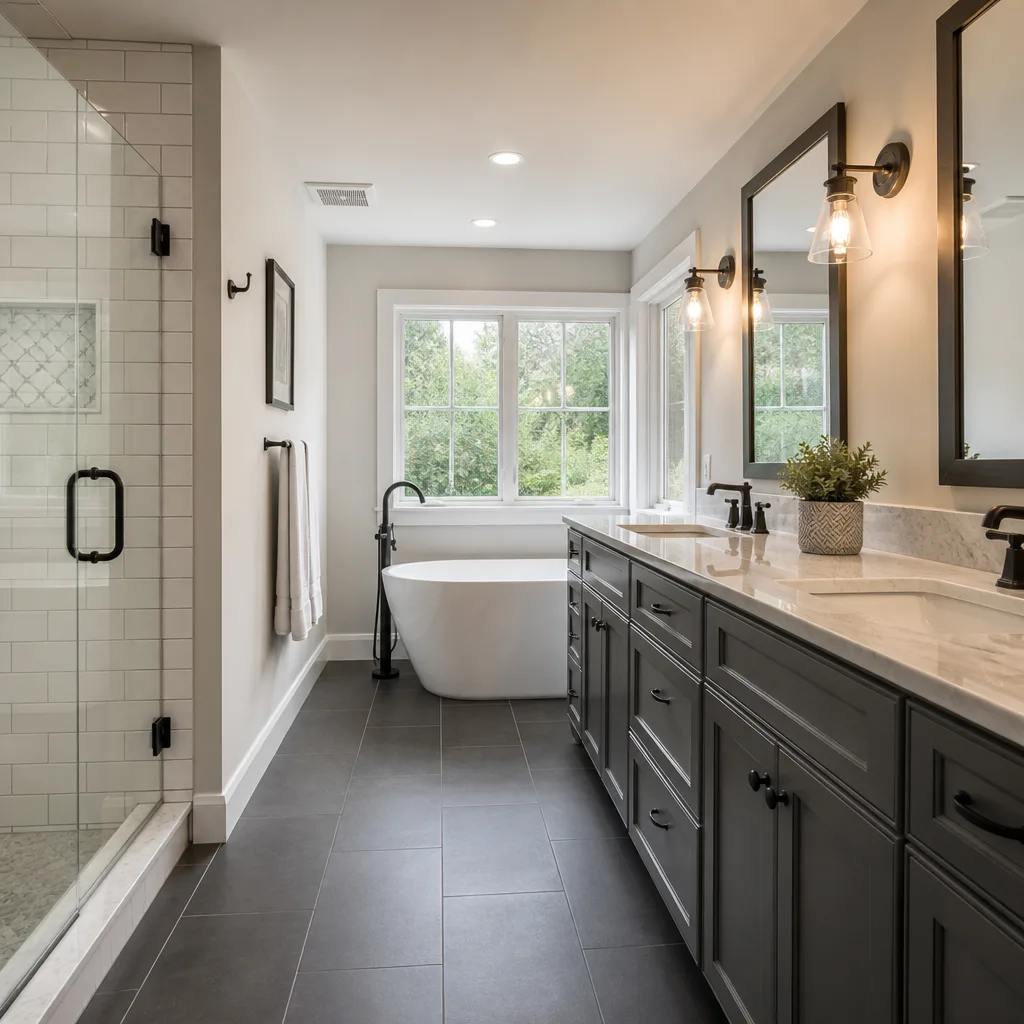
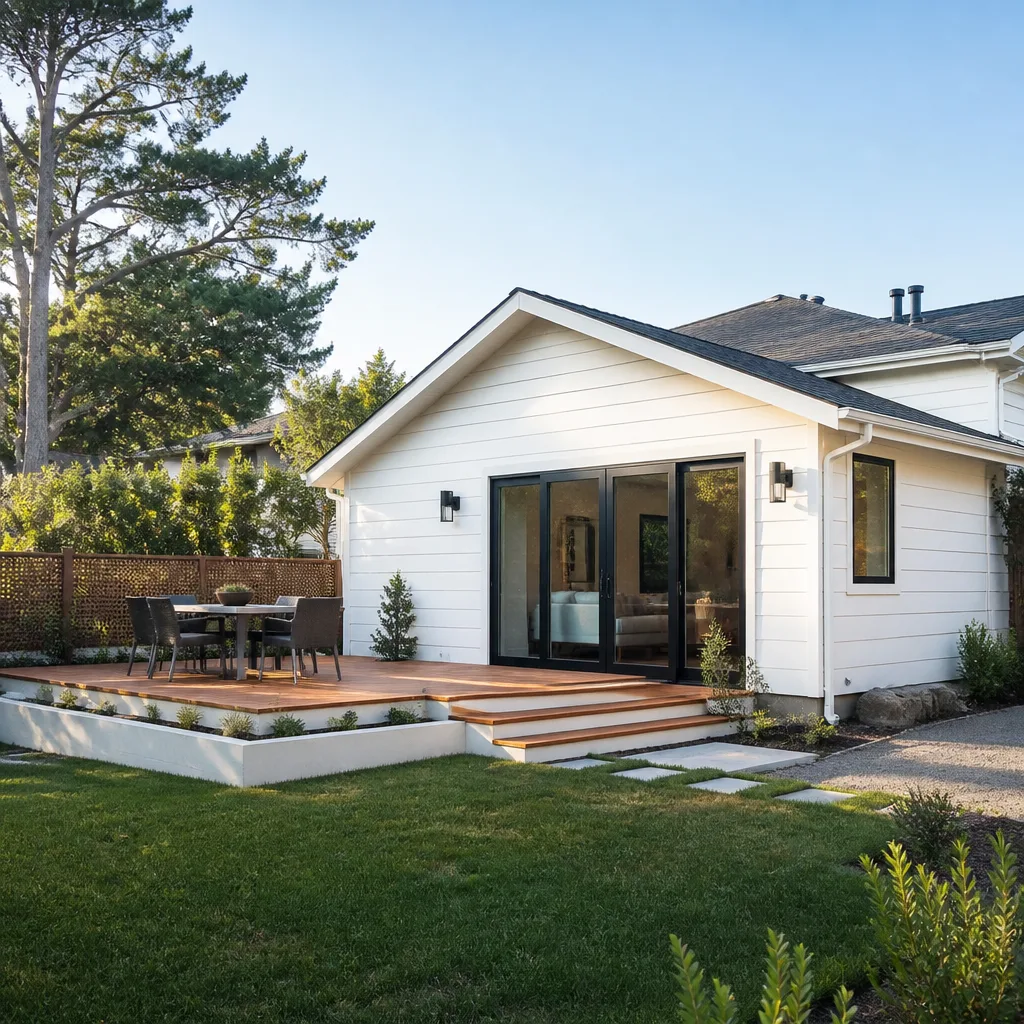
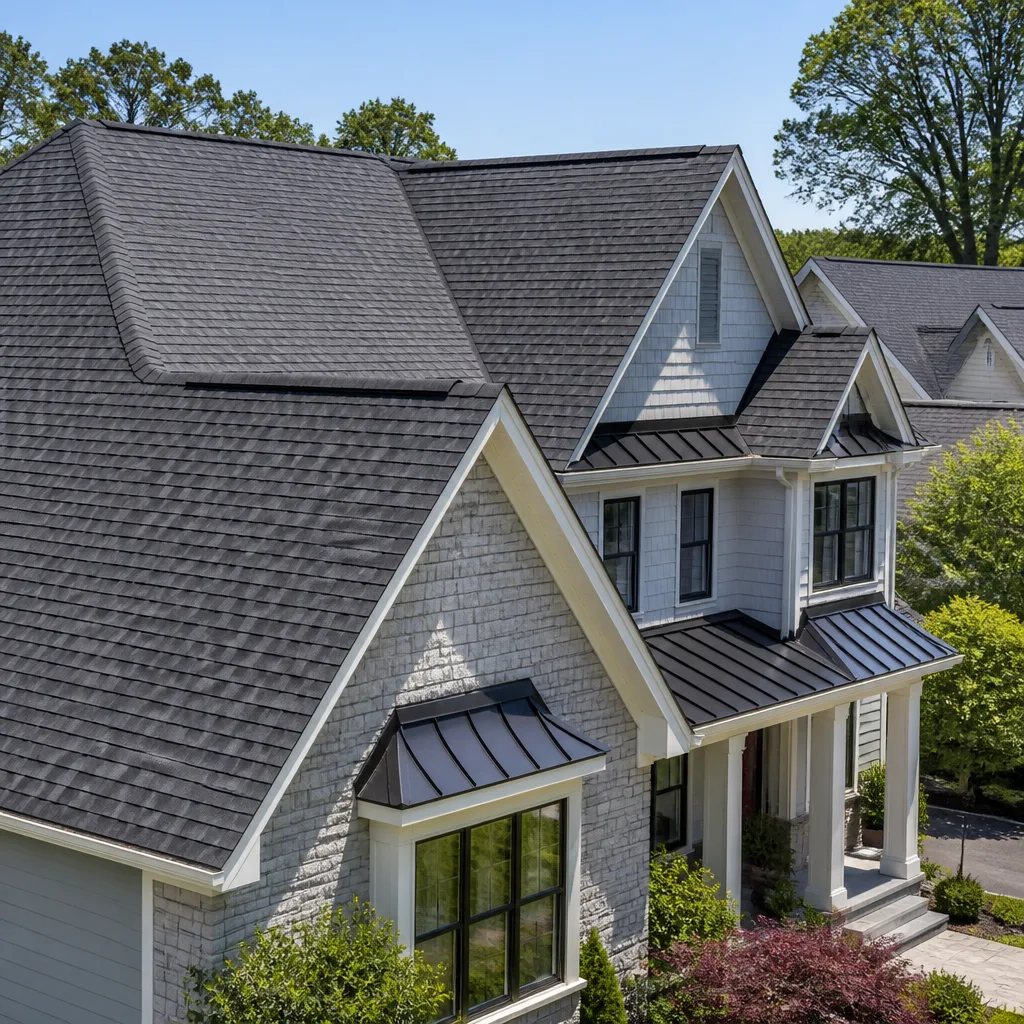
 Before
 After
After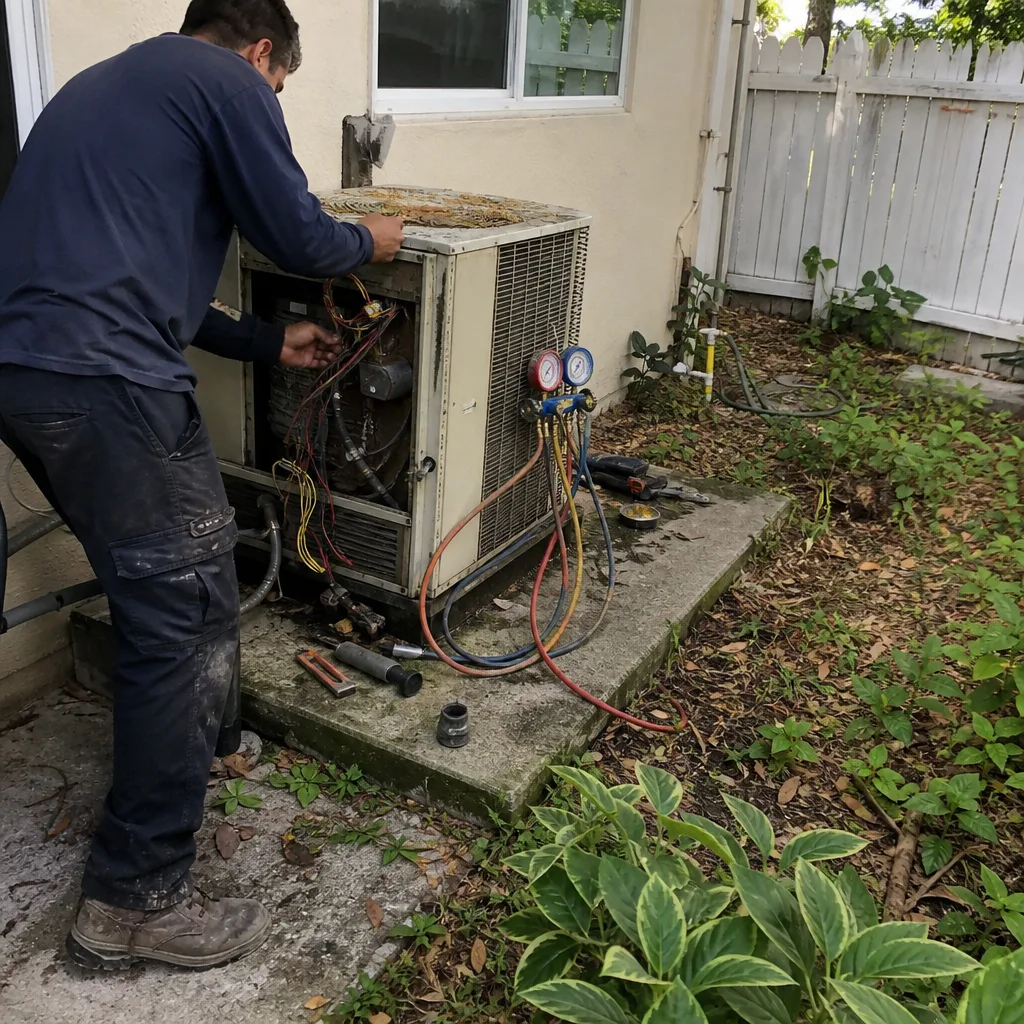 Before
 After
After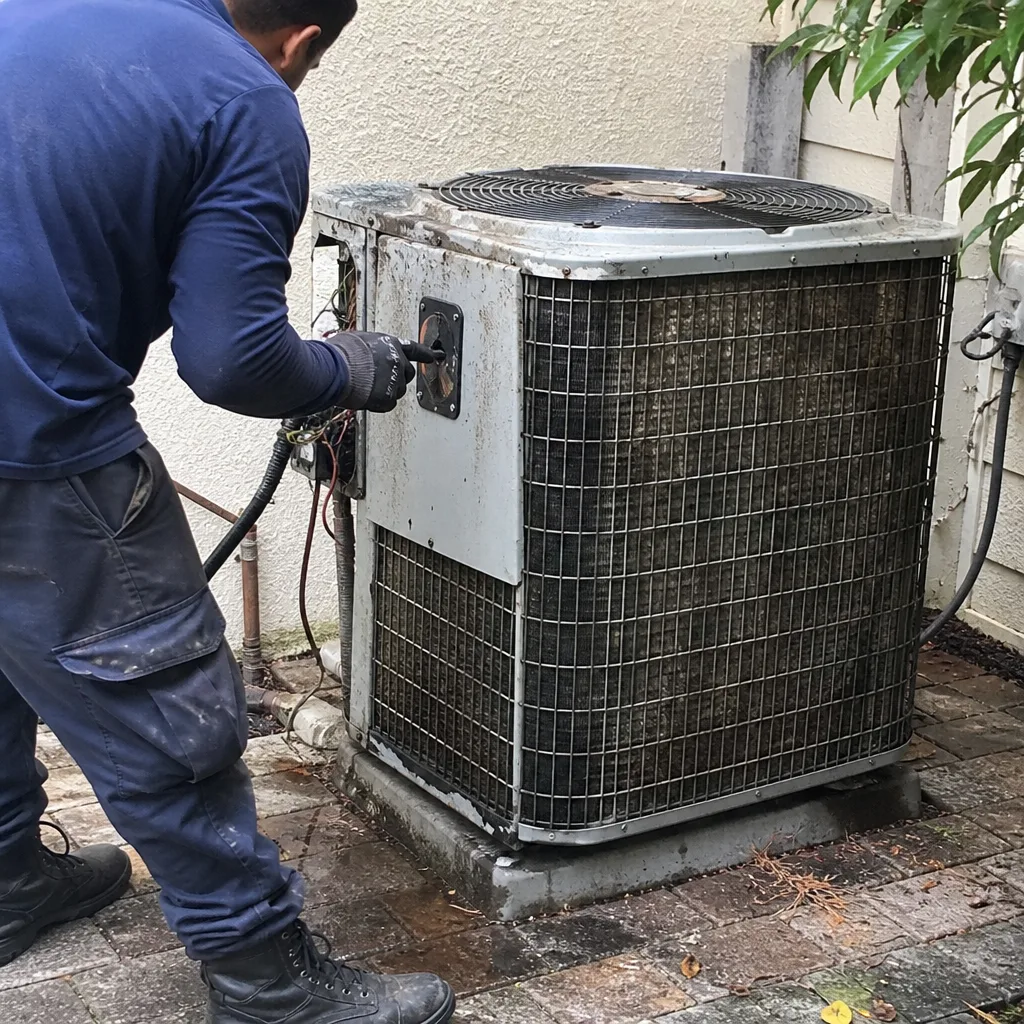 Before
 After
AfterSeasonal Construction Care for West Palm Beach: Year-Round Homeowner’s Guide
Between June 1 and November 30, West Palm Beach averages 55 inches of the year’s 63 total inches of rainfall. A cracked fascia board, an unserviced roof penetration, or a clogged soffit vent that costs $150 to fix in May can produce $12,000-$40,000 in water intrusion damage by September. Yet most seasonal maintenance guides treat South Florida like Ohio with palm trees, dividing the year into four equal quarters. In this guide, we’ll show you how West Palm Beach’s actual climate calendar, local building codes, and coastal conditions should drive when you inspect, when you schedule work, and when you call a licensed contractor. For more on local requirements, see our guide to Construction Permits, Codes & Inspections in FL: What You Need to Know.
Quick Answer
West Palm Beach homeowners should front-load exterior construction work to the dry season (November-April), complete an eight-point pre-hurricane inspection by late April, and follow a specific post-storm assessment protocol for roof, envelope, and mechanical systems. Properties within one mile of the Intracoastal or Atlantic Ocean face accelerated salt-air and UV degradation cycles that shorten paint, caulk, and fastener life by 30-50% compared to inland West Palm Beach.
Table of Contents
- The Dry Season Advantage: November Through April
- The April Pre-Season Checklist: Eight Inspection Points
- Hurricane Preparation for Active Job Sites
- Salt Air, UV, and Coastal Degradation Timelines
- Post-Storm Inspection Protocol
- Year-Round Maintenance by Trade
- Common Mistakes to Avoid
- When to Call a Professional
- Frequently Asked Questions
BeforeAfterThe Dry Season Advantage: November Through April
In West Palm Beach, the dry season is not a preference. It’s a construction window defined by measurable conditions. Average relative humidity drops from 75% in August to 68% in January, and afternoon temperatures settle in the low-to-mid 70s rather than the low 90s. For four trades in particular, this shift matters.
Roofing: Shingle sealant strips activate properly between 40°F and 85°F ambient temperature. In West Palm Beach’s summer, crews working at 9 a.m. can already be outside that range. Underlayment adhesion, self-sealing tab performance, and crew safety on steep-slope surfaces all improve in winter months. We’ve documented photo records from January roofing projects in West Palm Beach showing clean nail penetration patterns that degrade in July heat when shingles become pliable and compress under foot traffic.
Exterior painting and caulking: Latex paint requires substrate temperatures below 90°F for proper film formation. Caulk needs 24 hours of cure time without rain. In West Palm Beach, November through March provides predictable windows. A repaint on a Clematis Street-era home in Flamingo Park that we scoped in February 2023 still shows no alligatoring at the soffit lines; a comparable surface painted in August 2022 by another contractor required full prep and recoat by March 2024.
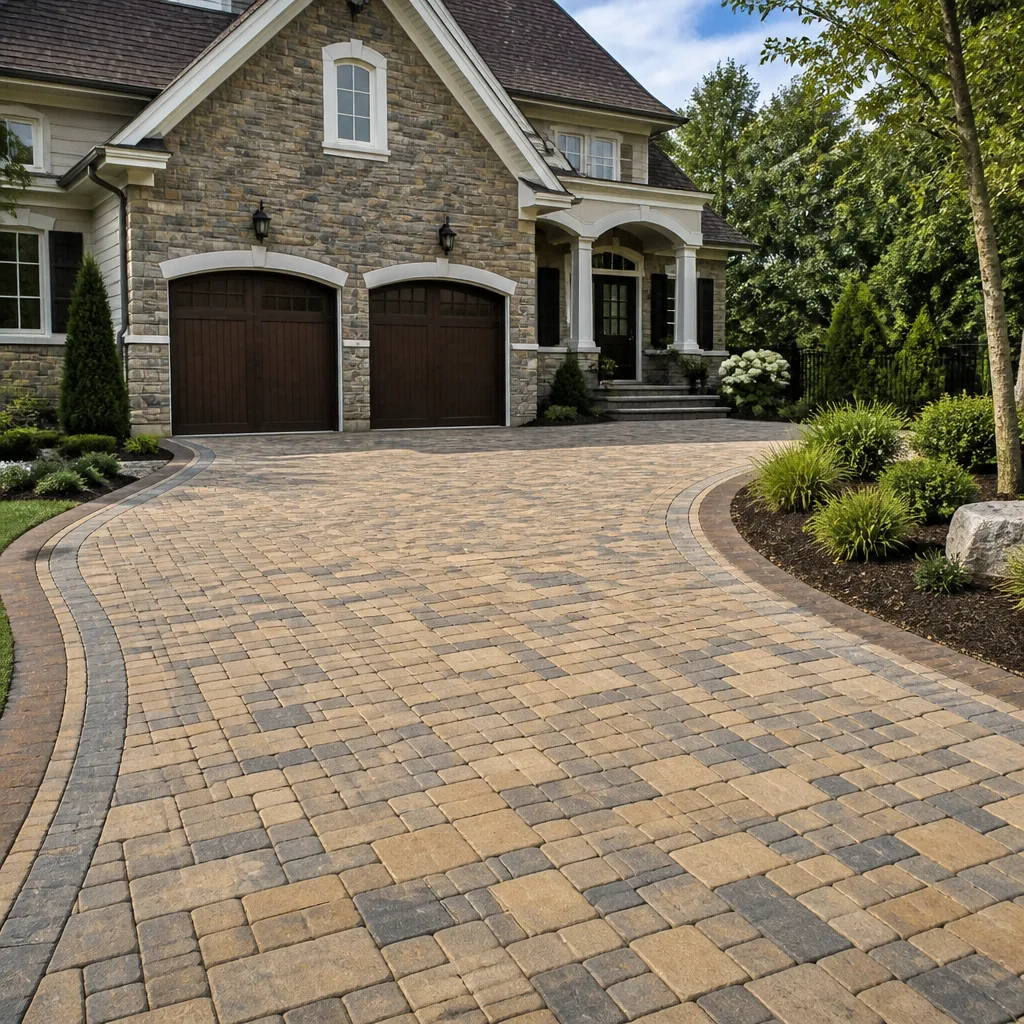
Concrete flatwork and pavers: Concrete hydration generates internal heat. External air temperatures above 85°F accelerate surface moisture loss, causing plastic shrinkage cracking. For Rowan Construction Group West Palm Beach home paver installations, we schedule Belgard and Techo-Bloc projects from December through March when evaporation rates drop and sand bedding compacts evenly without thermal expansion gaps opening prematurely.
Window and door replacement: Foam sealants and flashing tapes bond predictably in cooler, drier conditions. The expansion-contraction cycle is minimized during cure. In our experience across 4,000-plus projects, winter-installed windows in West Palm Beach show fewer callback issues for air infiltration than summer installations.
Key scheduling principle: Book your dry-season contractor in September or October. The best crews fill by Thanksgiving. Waiting until January means March availability at earliest, pushing into the margin of hurricane season.
The April Pre-Season Checklist: Eight Inspection Points
By late April, every West Palm Beach homeowner should complete this inspection or have it completed by a licensed contractor. The cost-to-fix figures below reflect 2024-2025 West Palm Beach market rates for professional repair, not DIY material costs. For detailed pricing context, see our Construction Cost Breakdown: The West Palm Beach Homeowner’s Reference for 2026.
- Roof penetrations and flashing: Check pipe boots, vent stacks, chimney cricket flashings, and any satellite or solar mounts. Look for lifted sealant, rusted fasteners, or membrane gaps. Typical repair: $180-$450 per penetration if caught early; $2,500-$8,000 if water has entered the decking.
- Fascia and soffit condition: Probe wood fascia with a screwdriver. Soft spots indicate rot from gutter overflow or shingle drip-edge failure. In West Palm Beach’s El Vedado and Grandview Heights neighborhoods, we regularly see fascia deterioration behind apparently functional gutters due to salt-air corrosion of hidden fasteners. Repair: $200-$600 per 10-foot section; full replacement $1,800-$4,500.
- Gutter flow and downspout discharge: Run water through gutters. Check for overflow at seams, proper slope toward downspouts, and discharge at least 6 feet from foundation per Florida Building Code. Cleaning and reseaming: $150-$350. Re-sloping or replacement: $800-$2,200.
- Exterior caulk lines: Inspect window perimeters, door frames, hose bib penetrations, and where siding meets trim. Caulk in West Palm Beach’s UV exposure typically fails in 3-5 years inland, 2-3 years coastal. Recaulking: $350-$900 for an average single-story home.
- Window and door weatherstripping: Close each opening on a strip of paper. Drag resistance indicates seal contact; easy pull means air infiltration. Replacement weatherstripping: $15-$40 per opening DIY, $80-$200 installed. For impact-rated windows, verify the laminated glass edge seal has no delamination bubbles.
- Exterior paint condition: Look for chalking (powder on fingertip), alligatoring (interlaced cracking), or bare substrate. South and west elevations degrade fastest. Spot prep and repaint: $1,200-$3,500 for partial; $4,500-$12,000 full exterior depending on height and access.
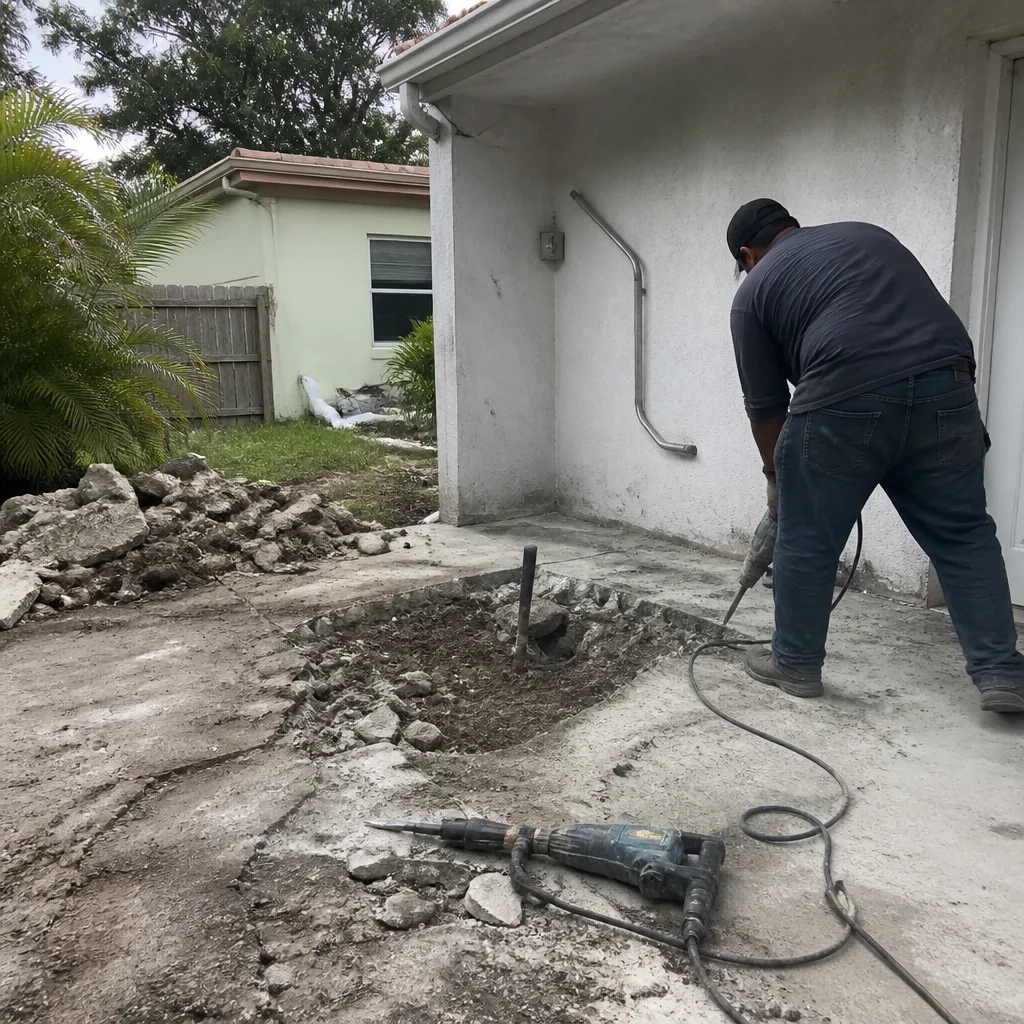
- Driveway and paver drainage: Check for pooling after rain, settled areas, or weed growth indicating joint sand loss. In West Palm Beach’s sandy soils, proper base compaction prevents the settlement we see in newer developments like Alton. Re-leveling and re-sanding: $800-$2,500; full base repair $3,500-$8,000.
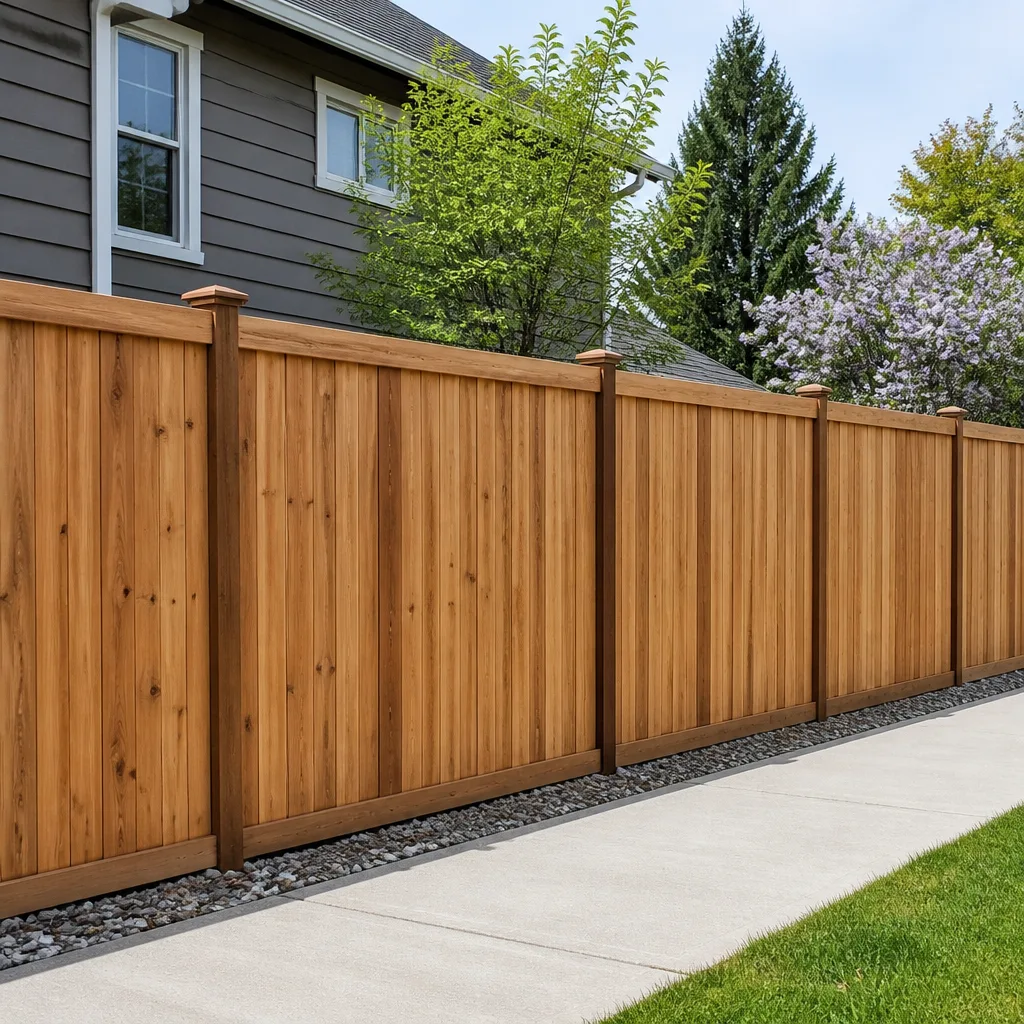
- Fence condition: Test post stability, board or panel attachment, and gate function. Pressure-treated wood in ground contact in South Florida typically shows rot at grade in 7-10 years inland, 5-7 years coastal. Post replacement: $150-$350 each; panel replacement $200-$500 per 8-foot section.
Total investment to address all eight items if no major deficiencies exist: $2,500-$5,500. Total exposure if deferred through hurricane season: $15,000-$60,000 in water damage, mold remediation, and structural repair.
Hurricane Preparation for Active Job Sites
West Palm Beach homeowners managing active construction during hurricane season face obligations most guides ignore. Florida Statute 553.844 and local amendments require specific securing protocols. More critically, your homeowner’s insurance policy likely contains clauses about “reasonable protective measures” that affect coverage if materials are damaged.
What Florida law requires of contractors: All contractors must secure loose materials, brace incomplete framing, protect excavations from flooding, and remove or secure scaffolding. For roofing projects, exposed decking must be tarped with mechanical fastening, not sandbags, when work is not actively proceeding. These are minimums; the Haven Standard requires our crews to photograph compliance before leaving any active site when a named storm is within 72 hours.
What homeowners are responsible for: If materials have been delivered to your property but not yet incorporated into the work, they are typically your risk. This includes palletized shingles, uninstalled windows, cabinets, and fixtures. For kitchen remodeling in West Palm Beach or bathroom remodeling in West Palm Beach, a KraftMaid cabinet order delivered Tuesday for a Thursday install becomes your obligation if Wednesday brings a tropical storm watch.
Practical steps:
- Confirm your contractor’s storm protocol in writing before work begins
- Verify material delivery timing against the 72-hour window
- Photograph material condition and storage location at delivery
- Understand your policy’s “construction materials” rider, most carriers cap uninstalled material coverage at $10,000-$25,000
- For paver or concrete projects, wet concrete within 48 hours of a storm may require protective covering or controlled cure extension; discuss this scenario in your pre-work scope meeting
Under Clause 1 of the Haven Standard, Rowan’s written price includes the storm-securing labor for our crews. We do not return with a change order because a tropical depression formed. That cost is in the original scope or it is not our project.
Salt Air, UV, and Coastal Degradation Timelines
West Palm Beach’s construction maintenance calendar varies significantly by distance from salt water. The dividing line is approximately one mile from the Intracoastal Waterway or Atlantic Ocean. Properties in South of Southern (SOSO), El Cid, and Flamingo Park experience accelerated cycles. Inland properties in neighborhoods like Pineapple Park or Northwood Hills see moderated but still significant UV stress.
Paint and coatings: A quality acrylic latex on properly prepared wood or fiber-cement substrate lasts 7-10 years inland in West Palm Beach. Within one mile of salt water, expect 4-6 years to first maintenance, with James Hardie fiber-cement siding extending this by 1-2 years over wood due to its inert composition. The failure mode differs: inland paint chalks and fades uniformly; coastal paint shows early blistering at fastener heads and seam lines where salt accumulation breaches the film.
Caulk and sealants: Polyurethane and high-grade silicone caulks rated for 50% joint movement typically achieve rated life inland. Coastal exposure reduces effective service life by 30-40%. We specify only neutral-cure silicones for coastal West Palm Beach projects, avoiding acid-cure products that degrade faster in high-UV, high-salt environments.
Metal fasteners and hardware: This is where coastal proximity hurts most. Standard galvanized fasteners on fencing, decking, and trim show red rust in 2-3 years coastal versus 5-7 years inland. Stainless steel 316-grade hardware, specified in our written scopes for coastal West Palm Beach projects, costs 3-4x more upfront but eliminates replacement cycles. On a recent fence project near Flagler Drive, we documented the previous contractor’s galvanized bracket failure at 18 months; our 316-stainless specification carries a material warranty through the fastener manufacturer.
Concrete and masonry: Salt spray does not directly attack quality concrete, but it accelerates corrosion of reinforcing steel if cover is insufficient or cracks allow ingress. In West Palm Beach’s older homes, we’ve found 1950s-1970s concrete with inadequate cover (less than 1.5 inches to rebar) showing spalling at coastal elevations. Repair requires chipping to sound concrete, epoxy-coated rebar or cathodic protection, and resurfacing: $85-$150 per square foot.
Window and door hardware: Hinges, locks, and operators in coastal exposure require annual lubrication with silicone-based products, not petroleum greases that attract salt residue. Impact-rated window laminated glass edge seals are particularly vulnerable; delamination at the perimeter is the first sign of seal failure and requires full sash replacement, not repair.
Post-Storm Inspection Protocol
After a named storm passes through West Palm Beach, homeowners need a systematic assessment sequence. Insurance adjusters and licensed contractors have different roles; knowing which to call when affects both safety and coverage.
Step 1: Exterior safety sweep (homeowner can perform)
From ground level, walk the property perimeter. Look for downed power lines (stay 35 feet back, call FPL), gas meter damage (rotten egg smell, hissing), and structural displacement of walls or roof planes. Photograph everything. Do not climb ladders; falls from height are the leading cause of storm-related homeowner injury.
Step 2: Roof assessment (licensed contractor required for insurance documentation)
Insurance adjusters in Florida typically require a licensed contractor’s report for structural roof claims. Homeowner self-assessment is not sufficient. The inspection sequence: interior ceiling stain mapping, attic moisture detection with moisture meter, then exterior shingle or tile inspection. For tile roofs, we check for slipped or broken tiles at rake edges and valleys first, then field tiles. For shingle roofs, we document sealant strip integrity, nail pull-through, and decking soft spots. Our documented photo record is delivered to the homeowner within 24 hours for adjuster submission.
Step 3: Building envelope (doors, windows, siding)
Check impact-rated windows for laminated glass cracks, frame distortion, and operability. Even unbroken impact windows can suffer frame flex that compromises the seal. For doors, verify threshold drainage weep holes are clear; storm surge pressure can force water through otherwise intact assemblies. Siding inspection focuses on wind-uplift damage at corners and eaves, the highest-pressure zones.
Step 4: Mechanical and electrical
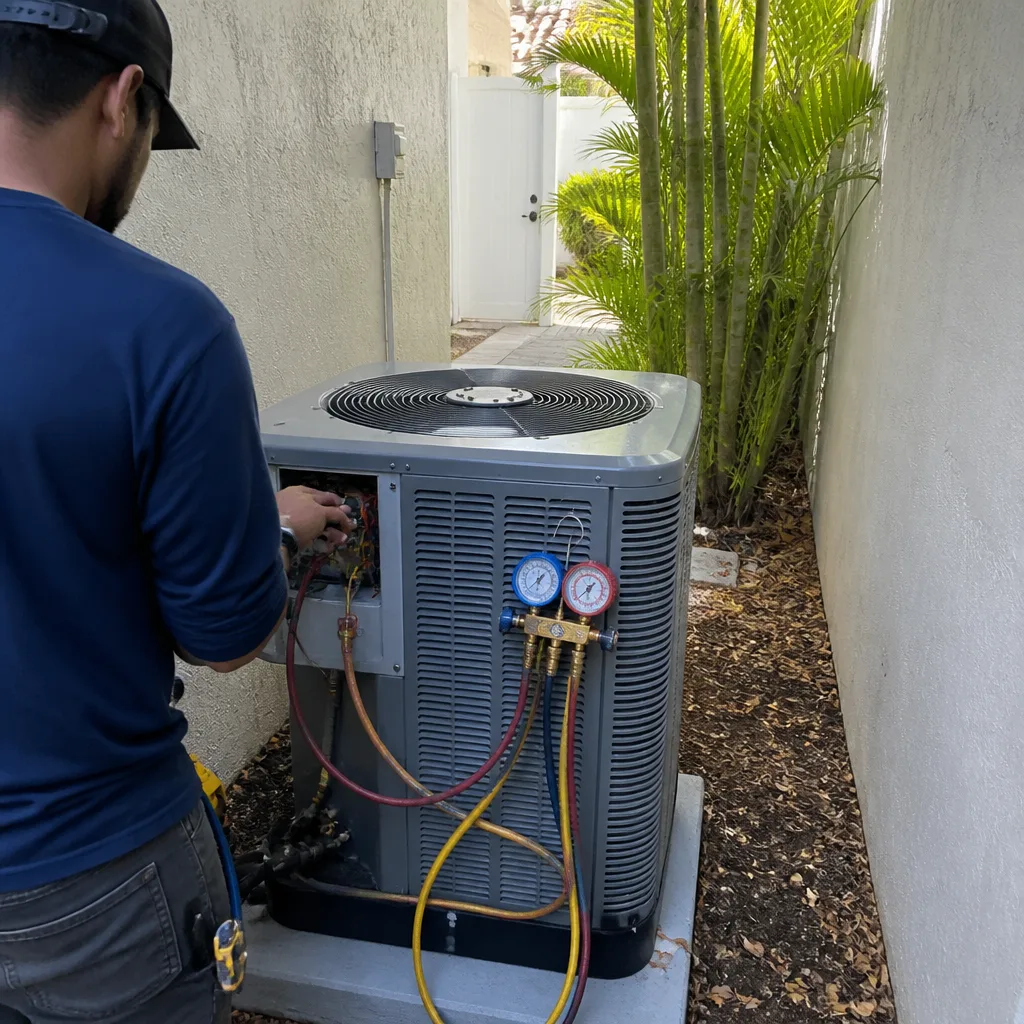
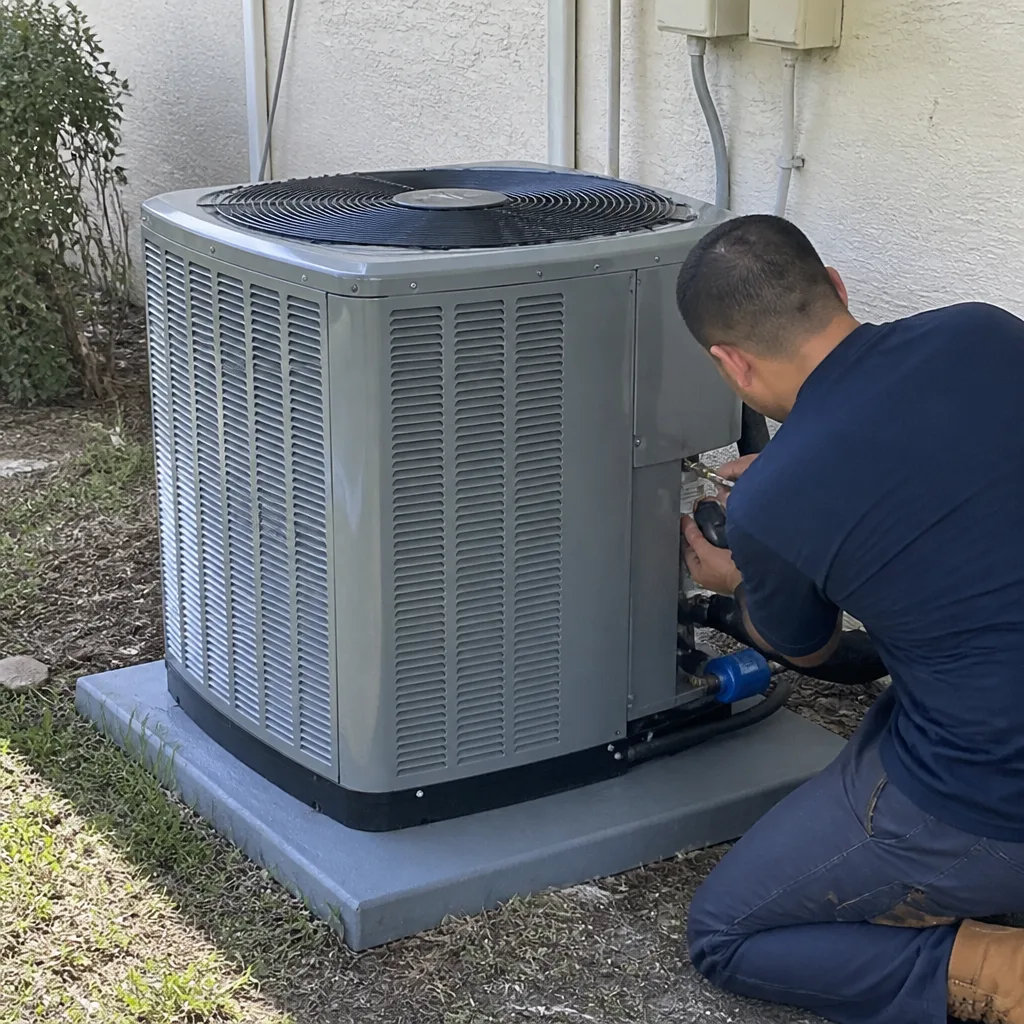
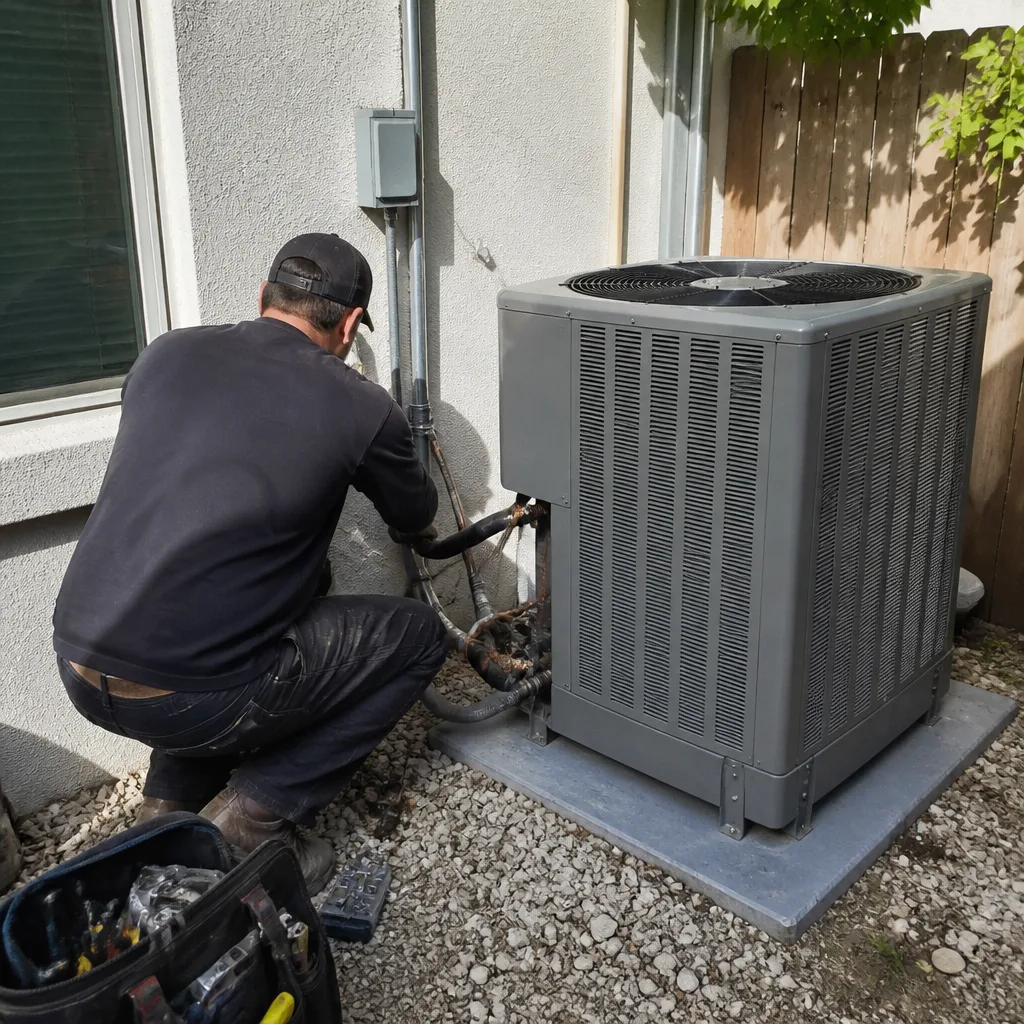
HVAC outdoor units: check for refrigerant line damage, coil fin damage from debris impact, and pad settlement. Electrical: outdoor outlets, pool equipment bonding, and any exposed conduit. These require licensed trades; general contractors coordinate but do not perform this work.
Step 5: Documentation for insurance
Florida law gives homeowners three years from the date of loss to file a hurricane claim, but prompt documentation strengthens the file. We provide our photo record, written scope of observed damage, and line-item repair pricing within 48 hours of inspection. This becomes the baseline for adjuster negotiation.
When to call a professional immediately: Any roof leak actively dripping into the living space, any electrical odor or sparking, any gas odor, any structural displacement visible from the ground, or any water intrusion exceeding 48 hours without drying (mold colonization threshold in West Palm Beach’s climate).
Year-Round Maintenance by Trade
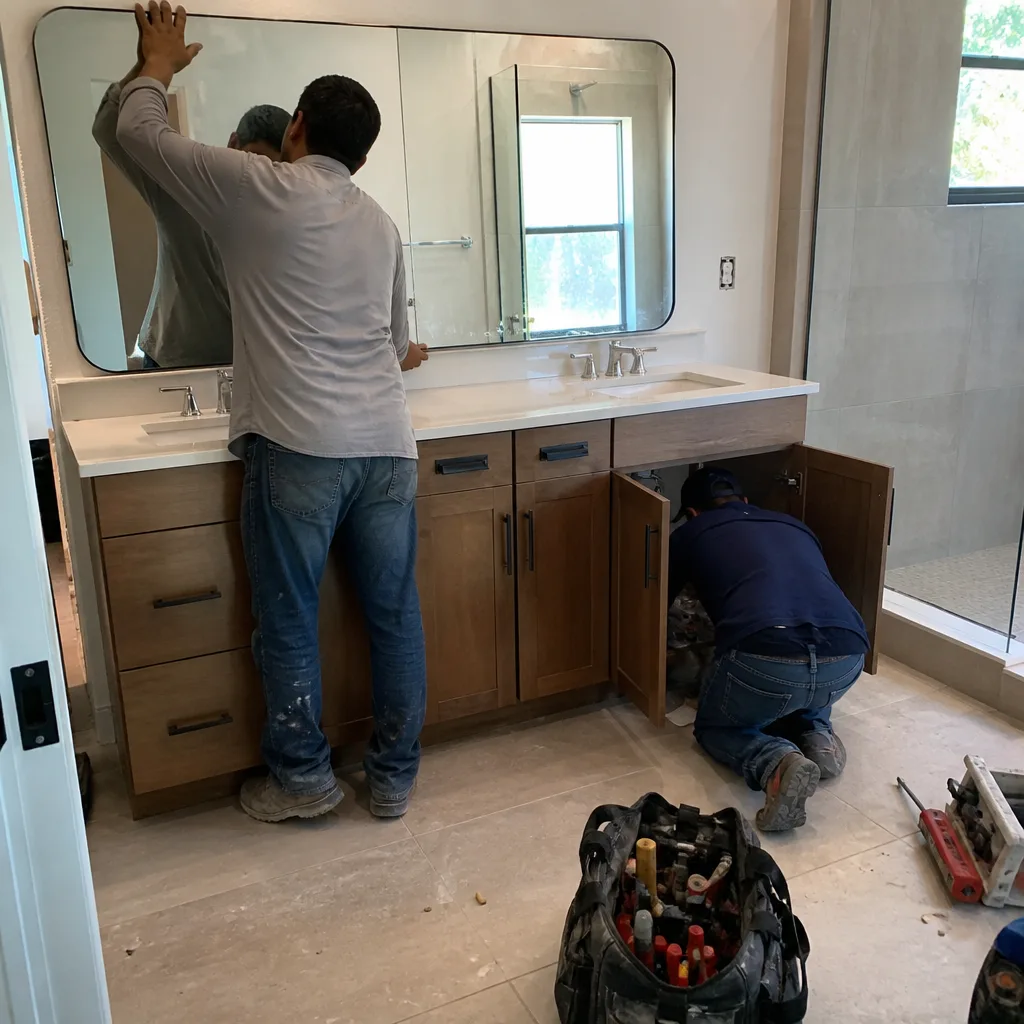
While the dry-hurricane season divide structures major work, each trade has ongoing needs.
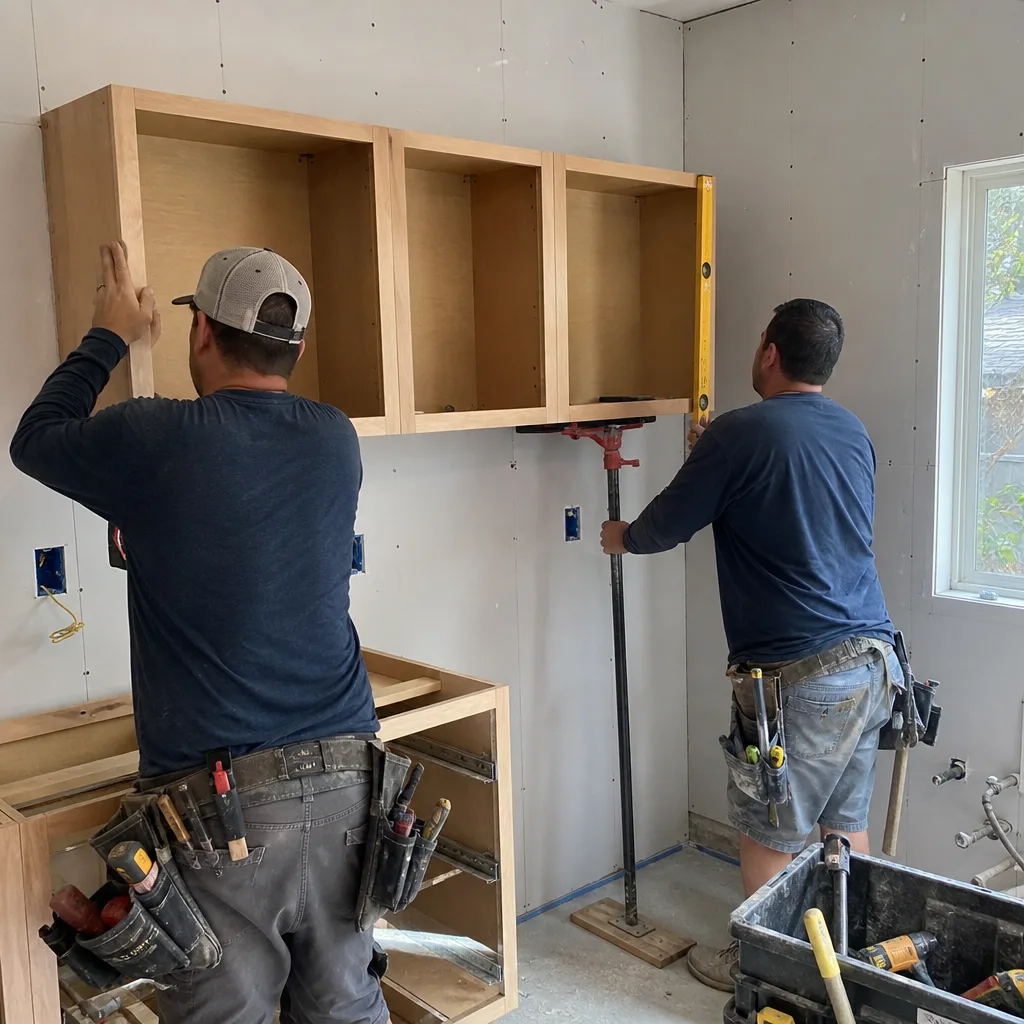
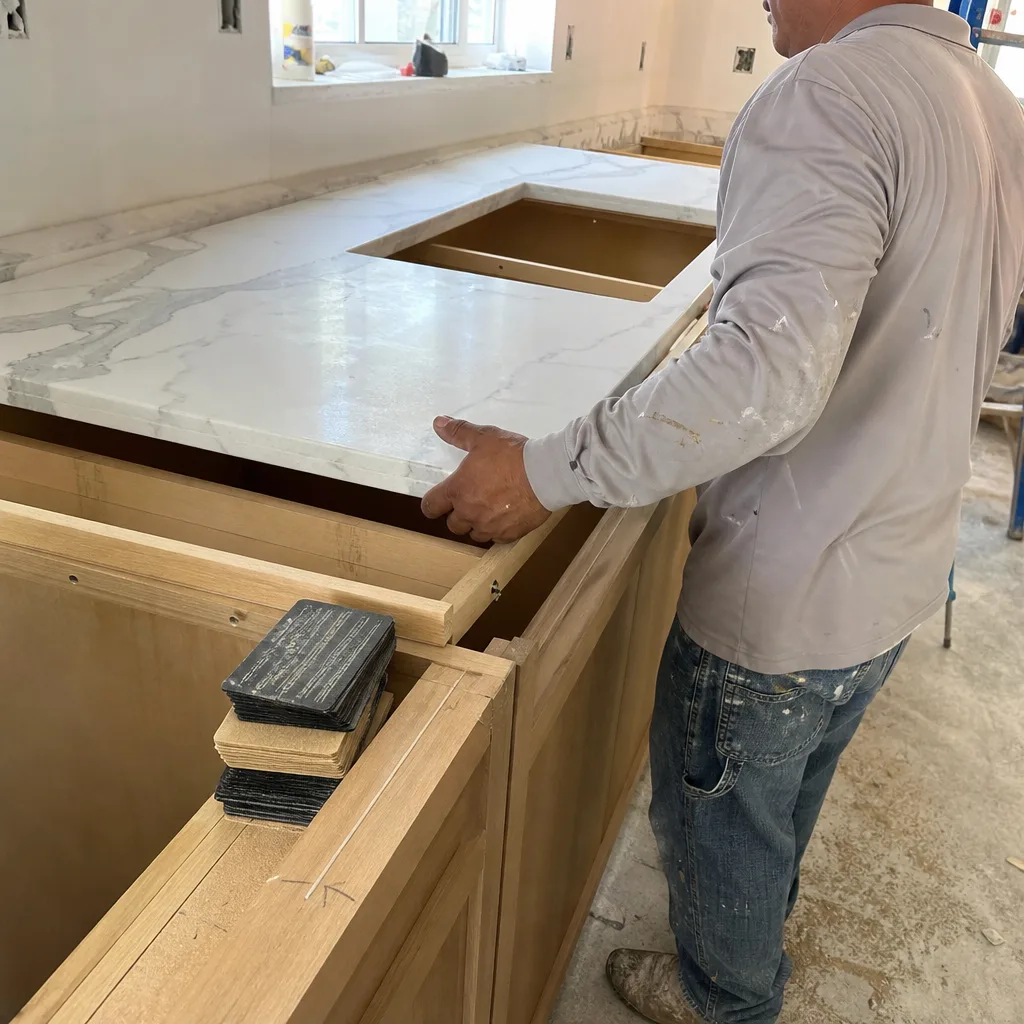
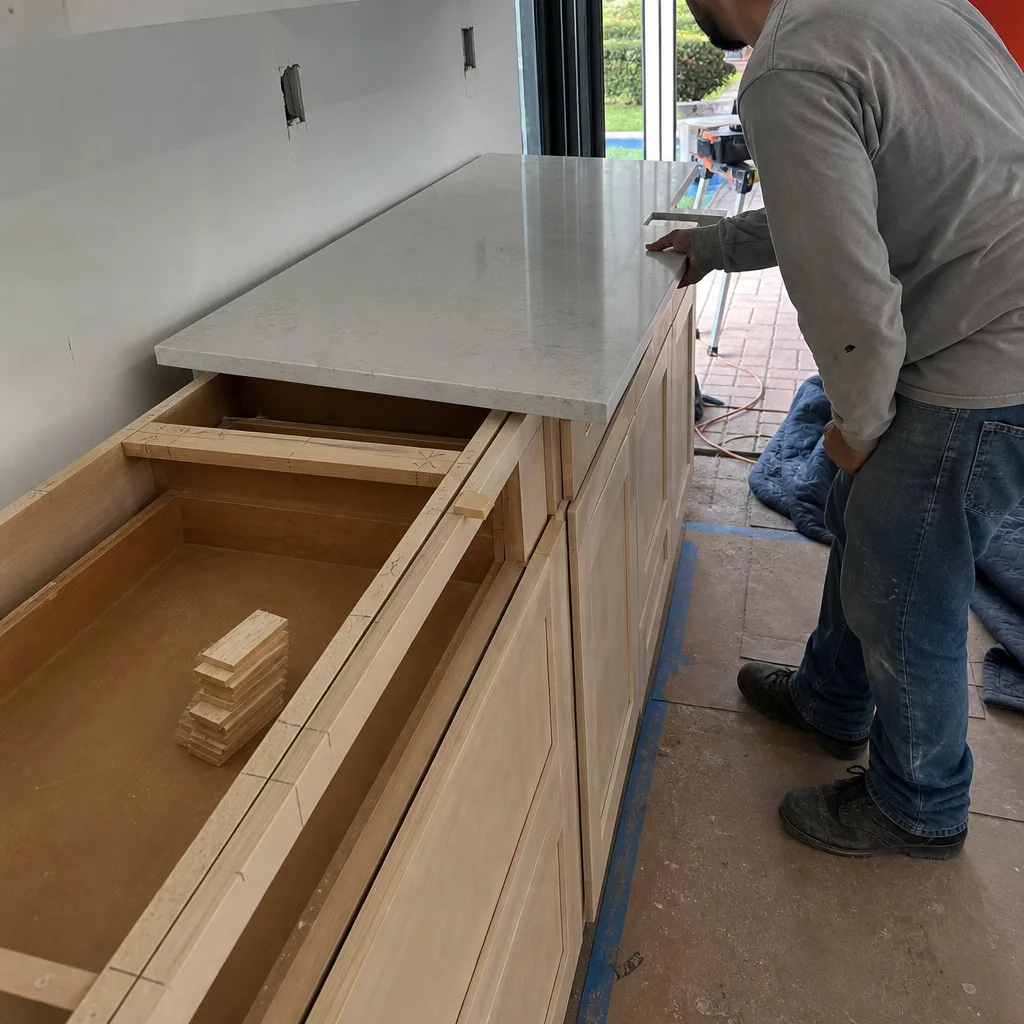
Kitchen and bathroom remodeling: These are interior trades, less seasonally constrained, but humidity control matters. Cabinet materials, whether KraftMaid hardwood or Wellborn engineered products, acclimate to installation space for 72 hours minimum. In West Palm Beach’s summer, that means running AC to below 60% relative humidity before delivery. For Cambria quartz countertops, thermal expansion is minimal, but the adhesive cure requires 24 hours at 65-75°F for full structural bond.
Roofing: Annual inspection in April, with gutter cleaning in November after leaf drop from live oaks and laurel oaks. In West Palm Beach, oak leaf accumulation is heavier than most homeowners expect; a single mature live oak can shed 200+ pounds of leaves in a two-week period.
Windows and doors: Hardware lubrication in October and April. Track cleaning for sliding doors monthly during pollen season (February-April). Weatherstripping inspection annually.
Fence installation: Post-setting concrete requires 48-hour cure without rain; schedule accordingly. For pressure-treated wood, re-stain or seal every 2-3 years coastal, 3-4 years inland. Vinyl fencing requires only annual pressure washing; the UV inhibitors in quality vinyl (certain Techo-Bloc companion products) hold color for 15-20 years.
Driveway and pavers: Joint sand replenishment every 2-3 years, sealant application every 4-5 years for color retention. In West Palm Beach, vehicular traffic plus UV degrades acrylic paver sealants faster than pedestrian-only applications.
Home additions and ADUs: Foundation work requires dry soil conditions for proper compaction testing. In West Palm Beach’s sandy soils, this is less restrictive than clay regions, but slab-on-grade work still benefits from November-March scheduling when water tables are lower and excavation dewatering is minimized.
Common Mistakes to Avoid
- Scheduling exterior paint in June: The surface temperature of south-facing walls in West Palm Beach exceeds 110°F by 10 a.m. in summer. Paint applied at these temperatures fails to form proper film, leading to early chalking and peeling. We see this annually on DIY projects in Northwood and Mango Promenade.
- Ignoring soffit ventilation: Blocked soffit vents trap attic heat and moisture, accelerating shingle degradation and creating condensation conditions. In West Palm Beach’s humidity, a 20% reduction in soffit airflow can raise attic relative humidity above 70%, the mold growth threshold.
- Using inland maintenance intervals for coastal properties: A homeowner in El Cid applying the same paint and caulk schedule as a relative in Royal Palm Beach will see premature failure. The salt-air zone requires 30-50% shorter cycles.
- DIY roof inspection after storms: Falls from residential roofs cause more serious injuries than electrocutions in post-hurricane periods. Insurance adjusters will not accept homeowner findings for structural claims regardless. The risk has no corresponding benefit.
- Deferring gutter maintenance until “after the rainy season”: By October in West Palm Beach, gutters have endured four months of near-daily downpours. Overflow has already damaged fascia, soffit, and potentially foundation. April and November are the correct maintenance windows.
- Accepting verbal storm damage assessments: Florida’s three-year claim window means some contractors pursue stale claims with inadequate documentation. A written scope with photo evidence, dated, is the minimum standard. Our documented photo record on every visit exists precisely because we have seen homeowners lose legitimate coverage for lack of evidence.
When to Call a Professional
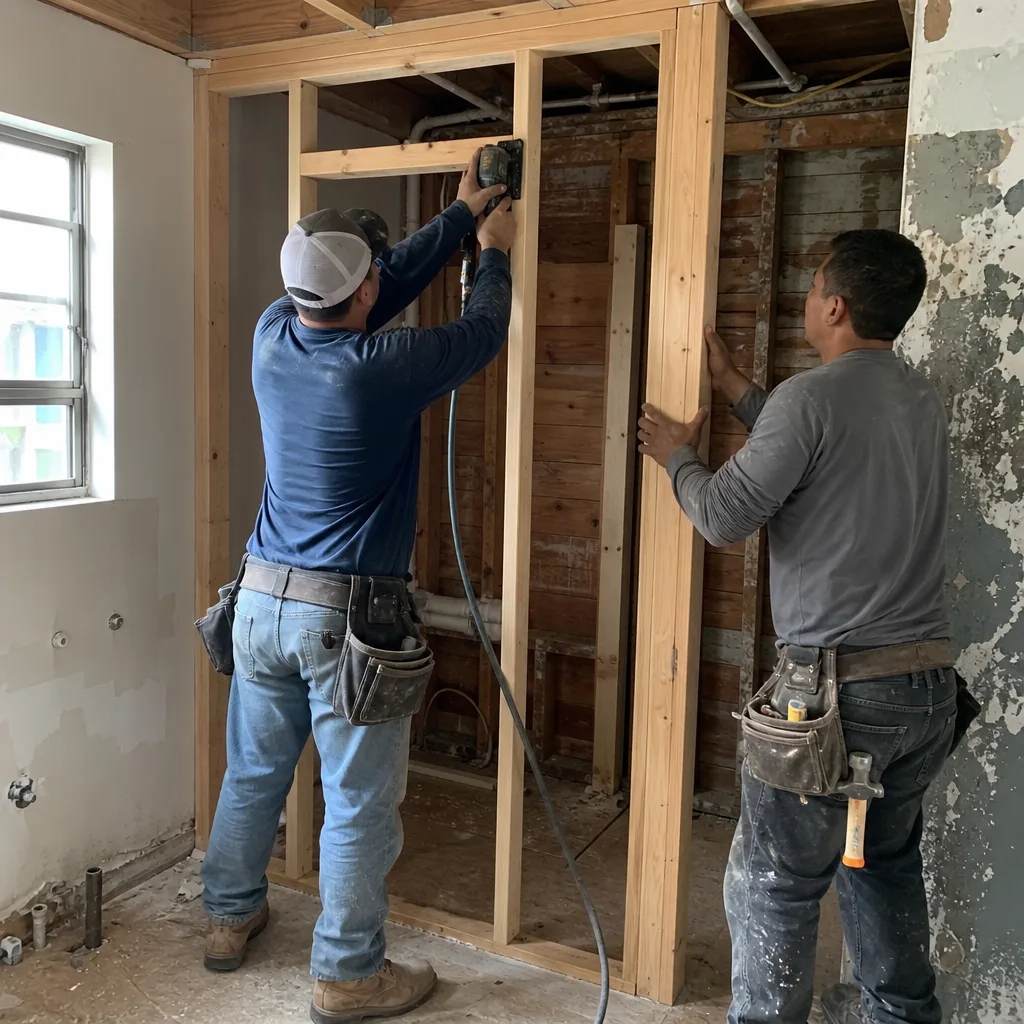
Call a licensed contractor when any inspection reveals conditions beyond routine maintenance: roof leaks, structural movement, electrical or gas concerns, or when insurance documentation is required. In West Palm Beach, the building department requires permits for roof replacement, window and door replacement (impact-rated or not), electrical and plumbing work, and any structural modification. For a full overview of regional best practices, read The Complete Guide to Construction in West Palm Beach.
Rowan Construction Group West Palm Beach offers free estimates in West Palm Beach. Every estimate is a flat written price with a written scope, delivered before any work starts. We also provide a Free Second Opinion on any written estimate from another contractor, reviewed line by line at no charge. Call (561) 475-3903 to schedule. Explore more guides & resources on our blog.
Frequently Asked Questions
A professional eight-point inspection typically runs $250-$450 for a single-family home under 3,000 square feet. Rowan Construction Group West Palm Beach applies this fee toward any repair work contracted within 30 days. Call (561) 475-3903 to schedule; estimates are free.
Technically yes, practically no. Quality paint manufacturers specify application between 50°F and 90°F surface temperature. In West Palm Beach, south and west wall surfaces exceed 90°F by mid-morning from May through September. November through March provides reliable conditions. Call (561) 475-3903 for a written quote on your specific exposure.
Under Clause 1 of the Haven Standard, the written price is the price. No work proceeds on a change until the change order is signed. Since 2007, Rowan Construction Group has kept projects within a few percent of the agreed cost across 4,000-plus jobs. This discipline is why Haven acquired Rowan.
Permits are required for roof replacement, window and door replacement, electrical and plumbing work, and structural repairs in West Palm Beach. We pull all required permits, schedule inspections, and deliver passed inspection documentation with the final photo record. The permit cost is itemized in the written quote, not added later.
If you are within one mile of the Intracoastal Waterway or Atlantic Ocean, assume accelerated cycles. Specific neighborhoods include El Cid, Flamingo Park, SOSO, and waterfront sections of Northwood. Inland properties in Pineapple Park, Grandview Heights, and Northwood Hills see moderated but still significant UV stress. We specify materials accordingly in our written scopes.
Our standard is photo record delivery within 24 hours of inspection, written scope and line-item pricing within 48 hours. This timeline meets insurance adjuster scheduling and Florida’s documentation requirements. Call (561) 475-3903 for priority scheduling after any named storm.
The Bottom Line
West Palm Beach’s construction calendar runs on rainfall, not folklore. Schedule exterior work for November through April. Complete your eight-point inspection by late April. Understand coastal versus inland degradation cycles. After storms, follow the roof-envelope-mechanical sequence and demand documented evidence. The homeowners who avoid five-figure surprises are not luckier; they are earlier and more systematic. Rowan Construction Group West Palm Beach has operated on that principle since 2007, with a written price before every job and a photo record after every visit.
Written by Grant Rowan, Owner at Rowan Construction Group West Palm Beach, serving West Palm Beach since 2007.