
Last updated September 22, 2026
Free written scope consultation - allowances, timeline, and change-order rules on paper before a single trade is scheduled
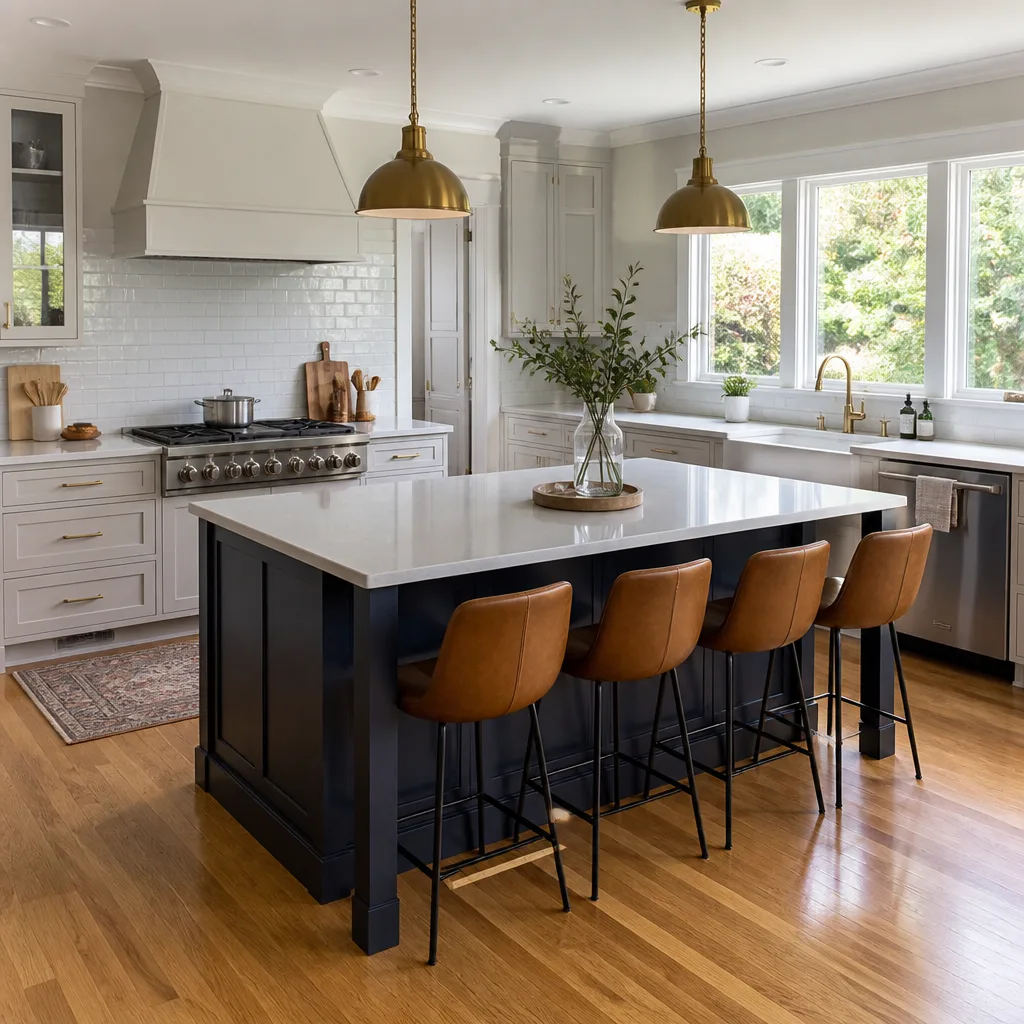
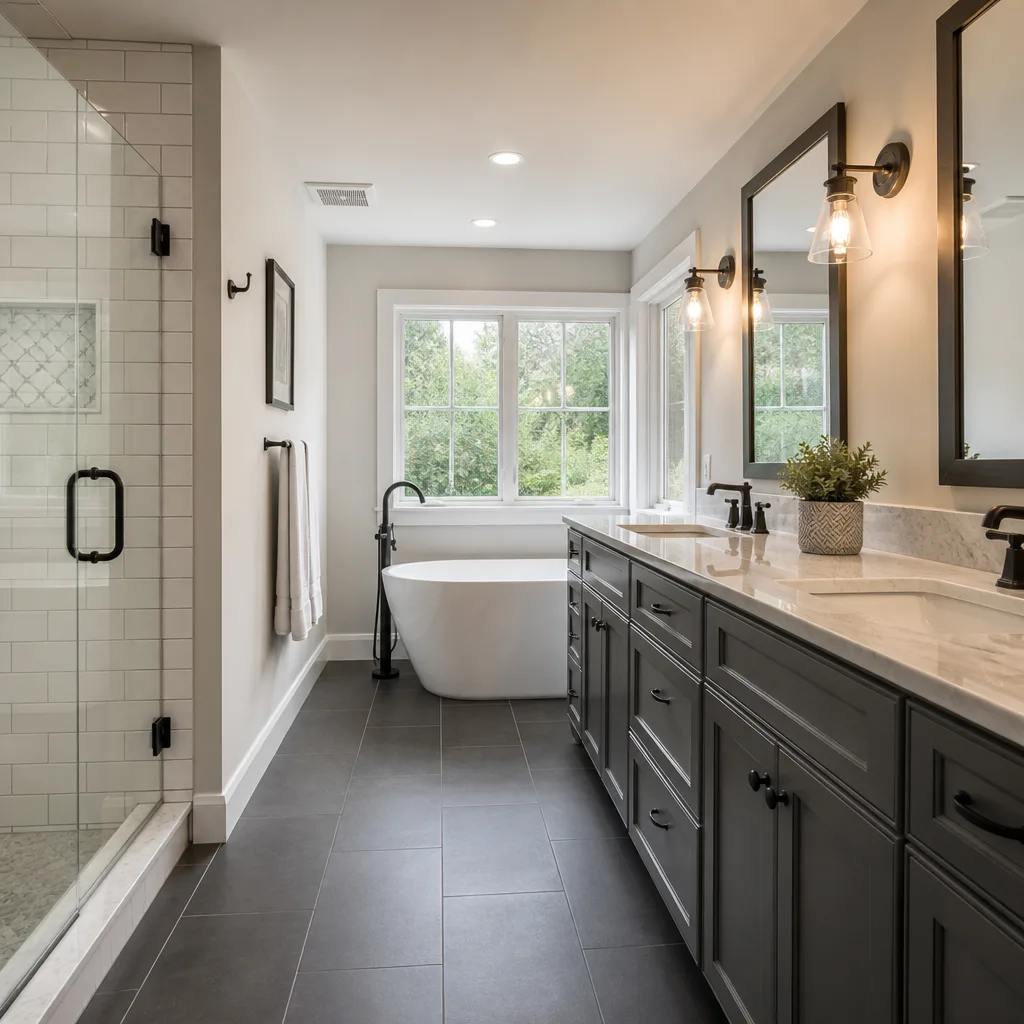
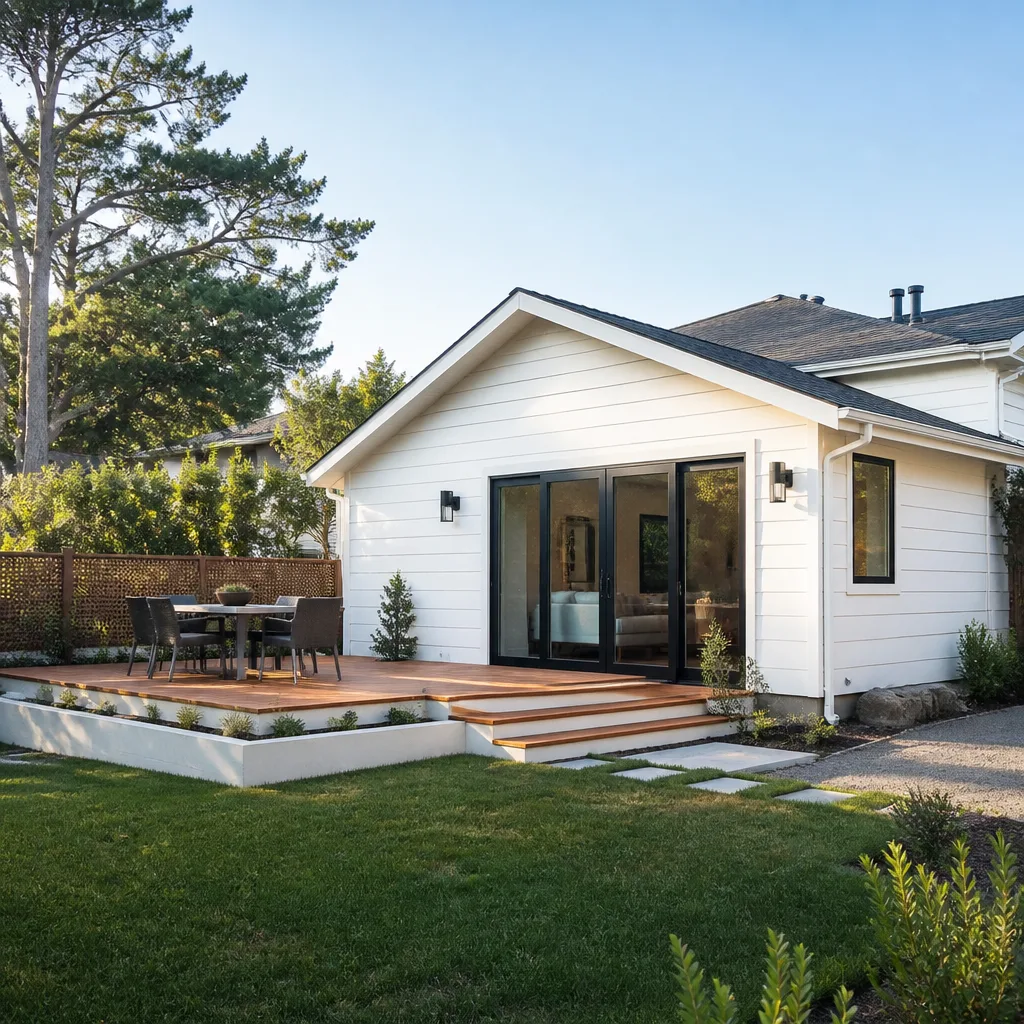
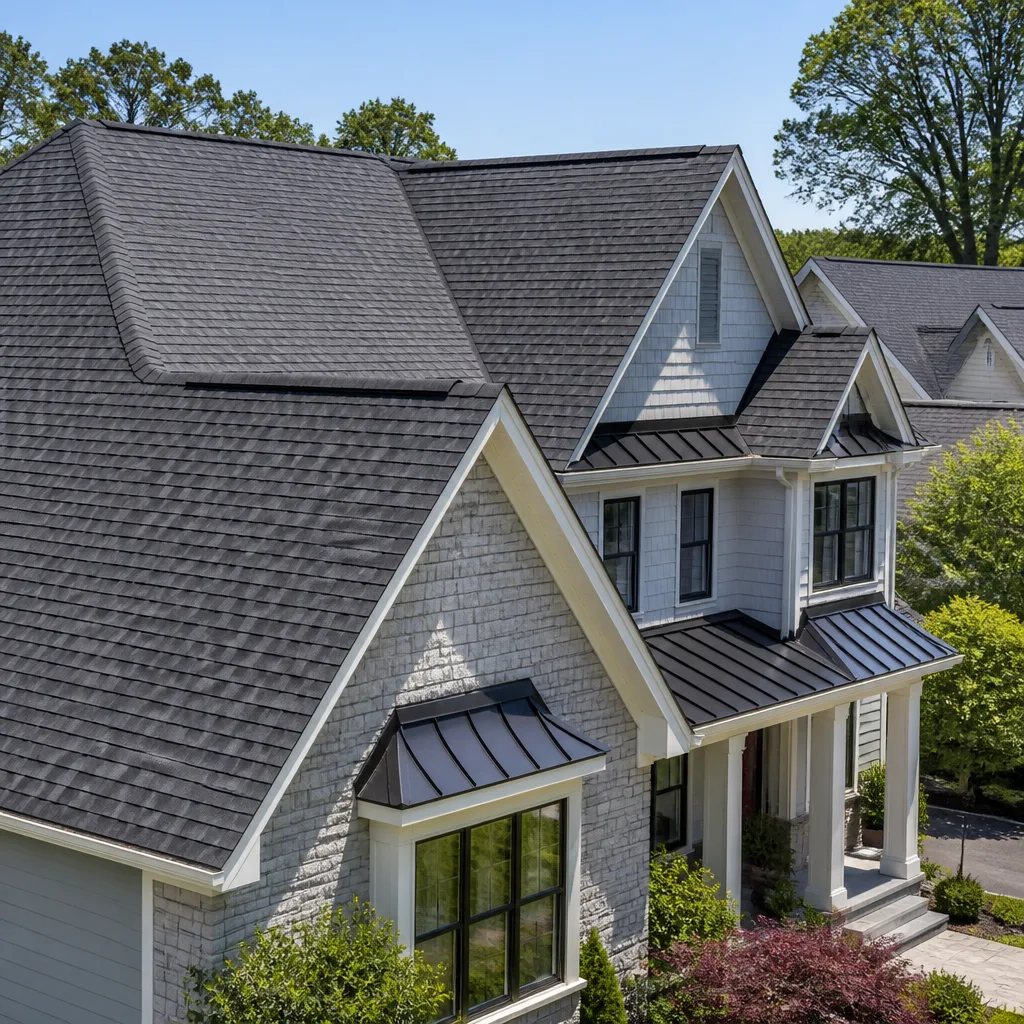
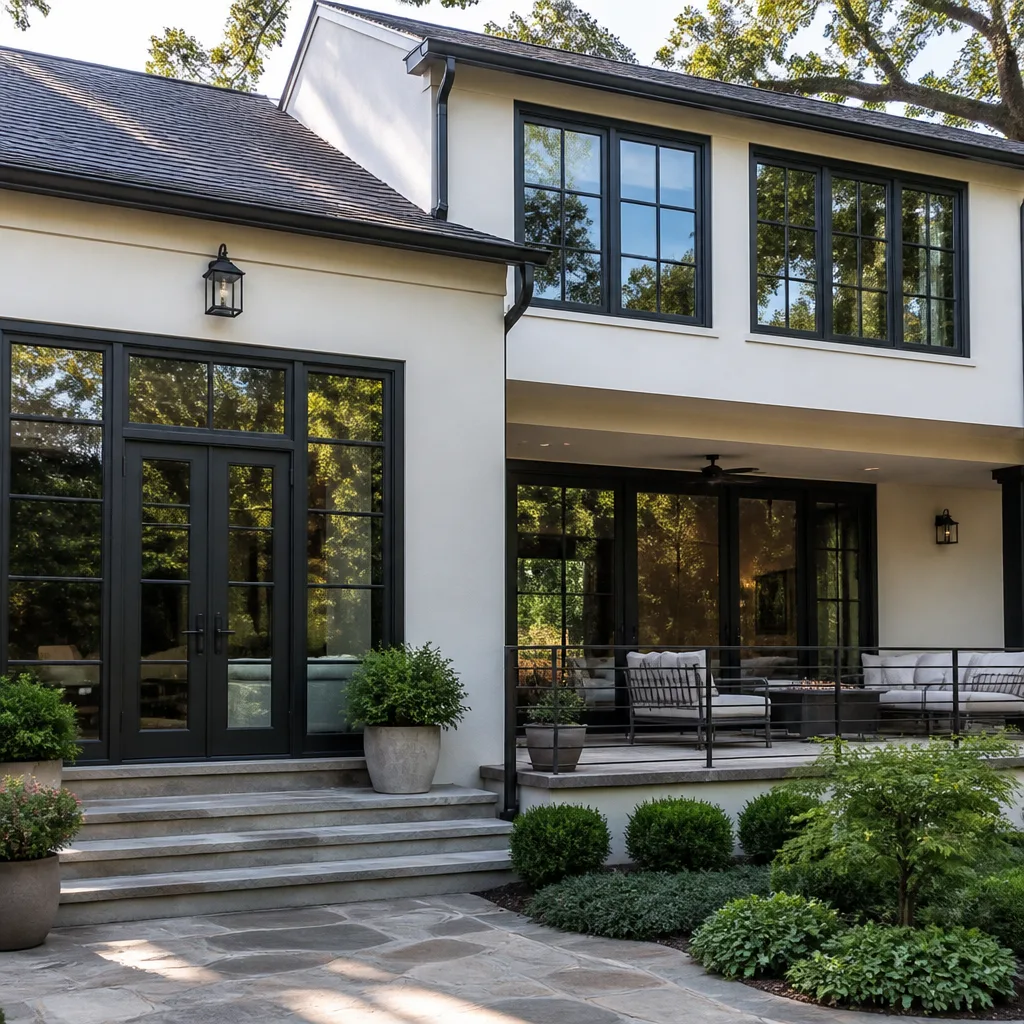
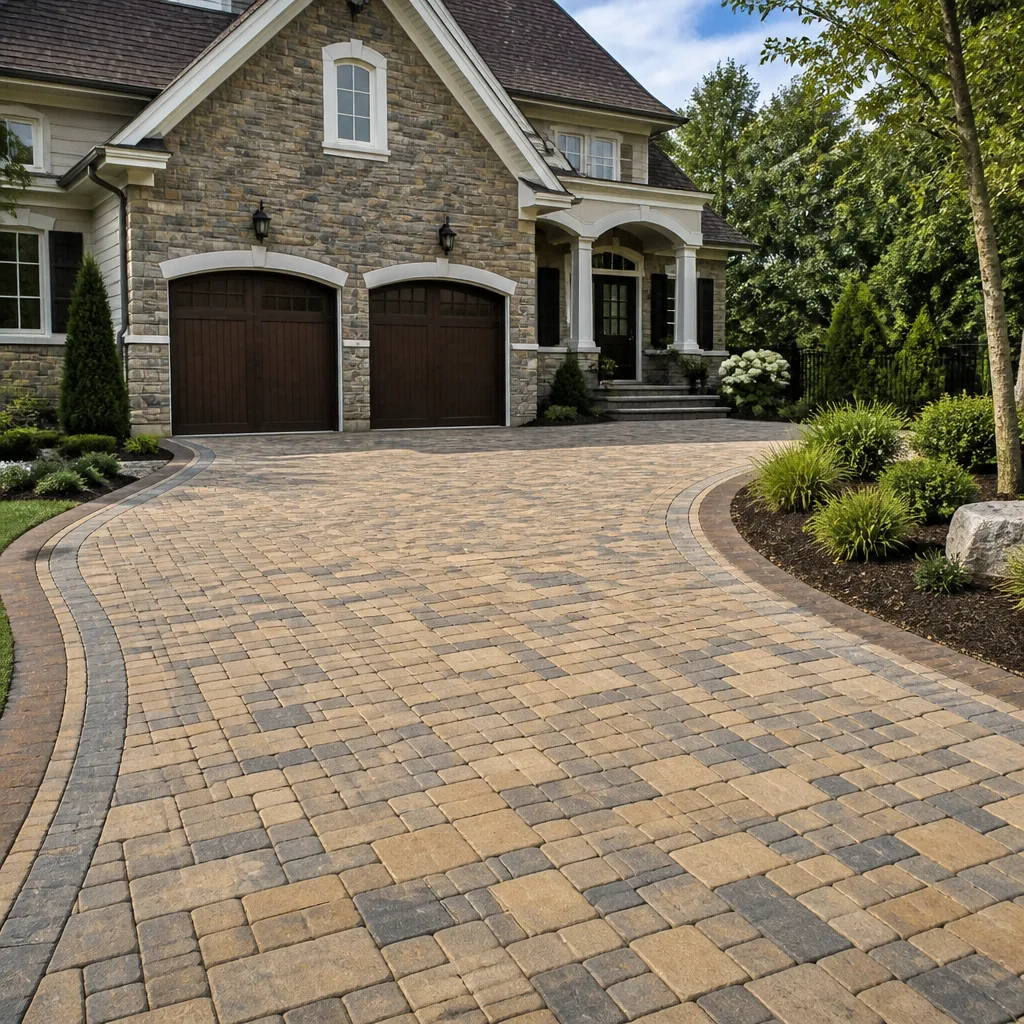
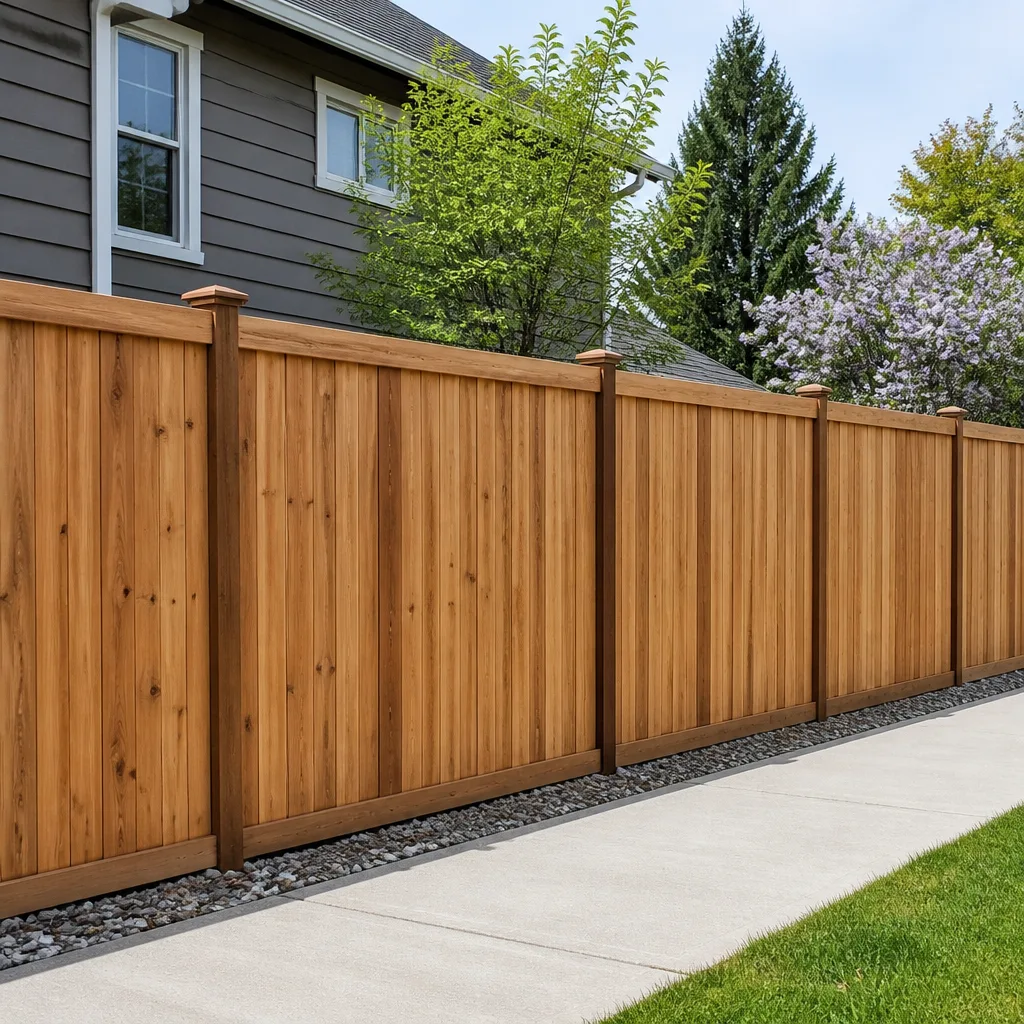
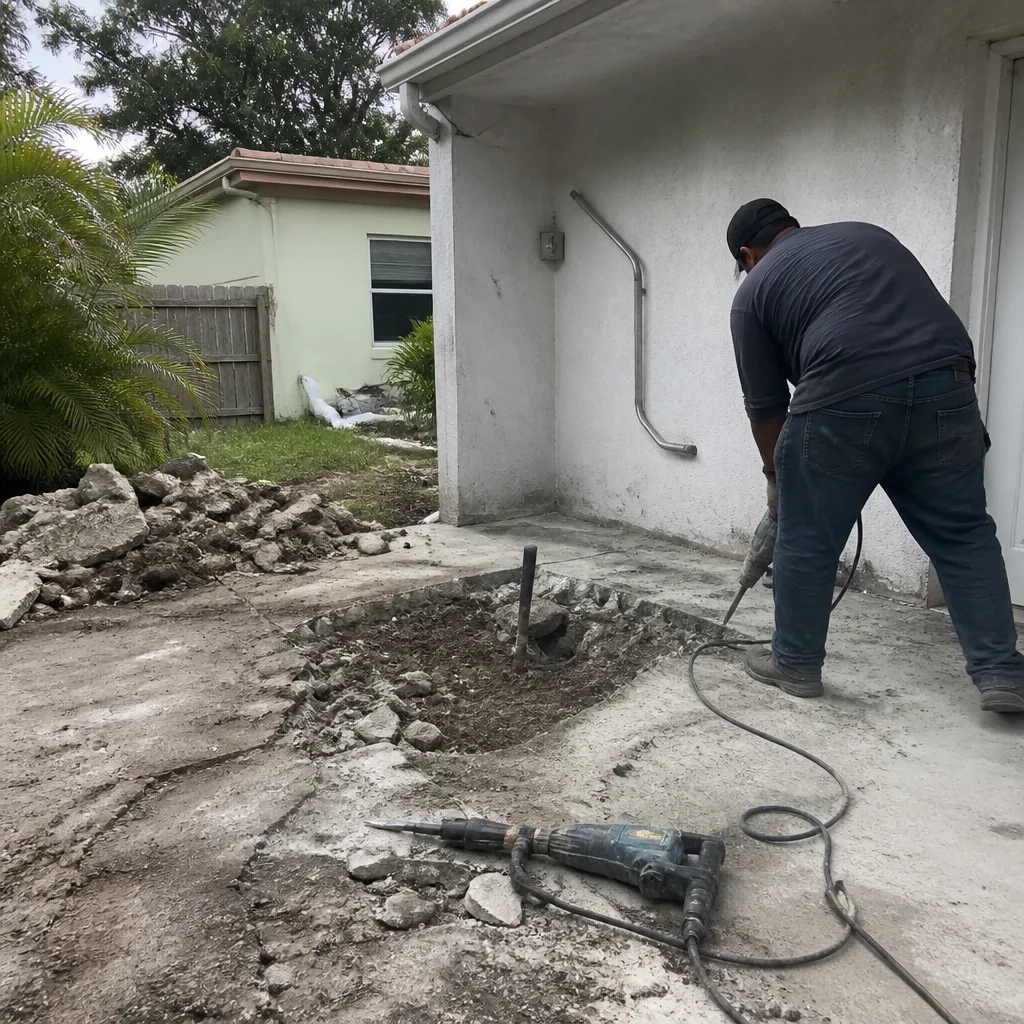 Before
 After
After Before
 After
After Before
 After
AfterConstruction Permits, Codes & Inspections in FL: What You Need to Know
Here’s a scenario we’ve encountered more than once in West Palm Beach: a homeowner pulls an owner-builder permit for a room addition, passes rough inspection on framing and MEP, then fails final because the inspector flags the windows. Not the installation, not the flashing, the windows themselves. The glass wasn’t labeled for HVHZ, the High-Velocity Hurricane Zone standard that applies to coastal Palm Beach County even in zip codes where the homeowner assumed inland rules applied. The fix? Remove the windows, reorder, reschedule inspection, pay the re-inspection fee. That single oversight can add four to six weeks and several thousand dollars to a project.
Florida’s construction permitting system is not one system. It is the Florida Building Code, currently in its 8th Edition (2023), with county amendments layered on top, and municipal administrative rules layered on top of those. In West Palm Beach, that three-layer stack creates specific requirements for wind, flood, and energy compliance that a contractor licensed in Orlando or Tampa may not quote by default. This guide documents the actual requirements that apply to residential construction in West Palm Beach, what permits cost, how inspections flow, and where homeowners most commonly stall out. For more guides & resources, visit our blog.
Quick Answer
Construction permits in Florida require compliance with the Florida Building Code 8th Edition, plus county and city amendments. In West Palm Beach, most residential projects need permits for structural, electrical, plumbing, and mechanical work; inspections occur at rough and final stages, with re-inspection fees of $75-$150 if the work fails. Owner-builder permits are legal for single-family homeowners but carry full liability for code compliance and worker safety.
Table of Contents
- The Three-Layer Code Structure in West Palm Beach
- Permit Types and When Each Is Required
- What Permits Actually Cost in West Palm Beach
- The Inspection Sequence for Residential Projects
- Owner-Builder Permits: Legal, But Risky
- How to Track Your Permit Status Online
- Common Mistakes to Avoid
- When to Call a Professional
- Frequently Asked Questions
BeforeAfterThe Three-Layer Code Structure in West Palm Beach
Every construction project in West Palm Beach navigates three distinct regulatory layers. Understanding which layer controls which decision prevents the kind of mid-project surprise that kills schedules and budgets.
Layer one: the Florida Building Code, 8th Edition (2023). This is the statewide baseline. It covers structural loads, fire safety, energy conservation, plumbing, mechanical systems, and electrical work. For residential construction, the relevant volumes are the Residential Code (FRC) and the Existing Building Code (FEBC). The 8th Edition adopted significant updates to wind load calculations, flood-resistant construction, and energy efficiency standards including enhanced insulation requirements and air leakage testing protocols.
Layer two: Palm Beach County amendments. The county adds specific requirements for High-Velocity Hurricane Zone construction, floodplain management tied to FEMA’s updated flood maps, and coastal construction control line setbacks. In West Palm Beach, the HVHZ designation matters even for properties that don’t feel coastal. The county amendment requires impact-resistant glazing or shutters for all openings within one mile of the coast, and in practice the county interprets this conservatively, extending the requirement farther inland than many homeowners expect. The county also maintains its own electrical amendment, PBC Article 4, which modifies certain NEC provisions for local conditions.
Layer three: City of West Palm Beach administrative rules. The city controls permit application procedures, inspection scheduling protocols, contractor registration requirements, and fee structures. The city requires all contractors to register annually and display a current city registration number on all permit applications. The city also enforces specific tree protection ordinances and site maintenance requirements that can trigger stop-work orders if violated, separate from any building code issue.
Here’s how this plays out in practice. A kitchen remodeling in West Palm Beach that relocates a gas range requires: state code compliance for gas piping (Layer 1), county amendment for ventilation sizing in humid climates (Layer 2), and city registration of the mechanical contractor plus a tree protection plan if the work requires exterior equipment placement (Layer 3). Miss Layer 3’s tree plan and you can have perfectly installed gas line and still face a stop-work order.
The interaction between layers creates specific material and method requirements. For roofing, the state code sets minimum wind uplift resistance. Palm Beach County amendment increases that requirement for structures within the HVHZ. The city of West Palm Beach adds a requirement for contractor notification to the building department within 24 hours of commencing roof work, with penalties for non-compliance. A roofing contractor in West Palm Beach quoting GAF Timberline HDZ shingles, for example, must specify installation to the HVHZ nailing pattern, not the standard pattern, and must register the crew with the city before the first shingle is removed.
Permit Types and When Each Is Required
Not every project needs a permit, but the exceptions are narrower than most homeowners assume. In West Palm Beach, the city follows the Florida Building Code’s threshold rules with local modifications.
Building permits required:
- Any structural modification, including wall removal, beam installation, or foundation work
- Room additions, garage conversions, and ADUs (accessory dwelling units)
- Roof replacement exceeding 25% of total roof area in any 12-month period
- Window and door replacement in HVHZ zones, which includes most of West Palm Beach
- Deck or patio construction exceeding 200 square feet or attached to the dwelling
- Retaining walls exceeding 4 feet in height
- Fence installation over 6 feet (with additional zoning review)
Electrical permits required:
- Service panel upgrades or replacement
- New circuits, including for appliances, EV chargers, or additions
- Generator transfer switch installation
- Any work beyond replacing a like-for-like fixture or switch
Plumbing permits required:
- Water heater replacement (state law requires permit and inspection)
- Repiping, including partial replacement
- Sewer line repair or replacement
- Fixture relocation requiring new supply or drain lines
Mechanical permits required:
- HVAC system replacement or relocation
- Ductwork modification exceeding 10 linear feet
- New ventilation systems, including range hoods vented to exterior
Work that does NOT require permit in West Palm Beach:
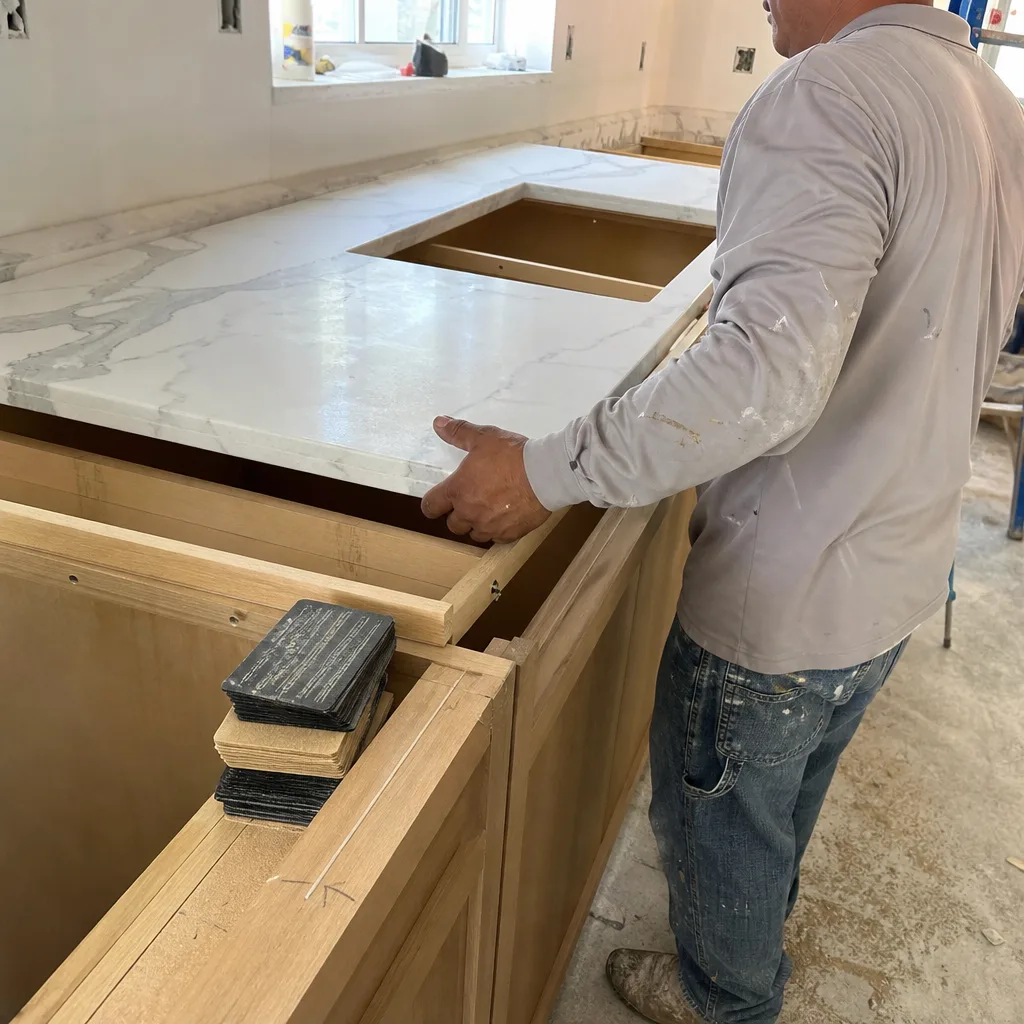
- Cosmetic finishes: paint, flooring, cabinets, countertops (unless structural support is modified)
- Like-for-like fixture replacement: faucet, light fixture, toilet in same location
- Minor repairs under $1,000 value that don’t affect structural, electrical, plumbing, or mechanical systems
- Detached accessory structures under 200 square feet (still subject to zoning setback rules)
The permit type determines the inspection sequence and the technical standard applied. A building permit for a home addition triggers structural, MEP, insulation, and final inspections. An electrical permit for a panel upgrade triggers rough and final electrical only. Pulling the wrong permit type, or pulling a trade permit when a building permit is required, results in rejection and lost application fees.
What Permits Actually Cost in West Palm Beach
Permit fees in West Palm Beach are published in the city’s fee ordinance and updated annually. The structure is formula-based for building permits and flat-rate for trade permits. Here are the actual dollar ranges for the most common residential project types, drawn from the current West Palm Beach fee schedule.
Building permit valuation and fees:
| Project Type | Typical Valuation | Permit Fee Range | Plan Review Fee |
|---|---|---|---|
| Room addition (400 sq ft) | $80,000-$120,000 | $1,200-$1,800 | $600-$900 |
| Full roof replacement | $15,000-$35,000 | $350-$750 | $175-$375 |
| Kitchen remodel (no structural) | $25,000-$50,000 | $450-$900 | $225-$450 |
| Bathroom remodel (no structural) | $15,000-$30,000 | $300-$600 | $150-$300 |
| Electrical panel upgrade | $3,000-$6,000 | $150-$250 | $75-$125 |
| Water heater replacement | $1,200-$2,500 | $75-$125 | $40-$65 |
| HVAC system replacement | $6,000-$12,000 | $250-$450 | $125-$225 |
| ADU (detached, 600 sq ft) | $150,000-$220,000 | $2,200-$3,200 | $1,100-$1,600 |
These figures include the base permit fee, plan review, and Florida surcharge (4% of permit fee, capped at $200). They do not include:
- Impact fees: $3,000-$8,000 for new construction or additions over 500 square feet, depending on service area
- Utility connection fees: varies by service provider, typically $500-$2,000 for water/sewer tap
- Re-inspection fees: $75-$150 per occurrence if work fails inspection
- After-hours inspection premium: 1.5x standard fee, must be scheduled in advance
The valuation is not what you paid your contractor. It’s the city’s assessed construction value based on square footage, construction type, and finish level. The building official has authority to adjust valuation upward if plans indicate higher-grade materials or complex systems. We’ve seen homeowners surprised when a bathroom remodeling in West Palm Beach with steam shower, heated floor, and custom tile triggers a valuation 40% above their contractor’s price, because the city’s square-foot rate for “luxury finish” exceeds the actual material cost.
Payment is due at permit issuance. The city accepts check, money order, or electronic payment through the ePZB portal. Cash is not accepted for permit fees over $500.
The Inspection Sequence for Residential Projects
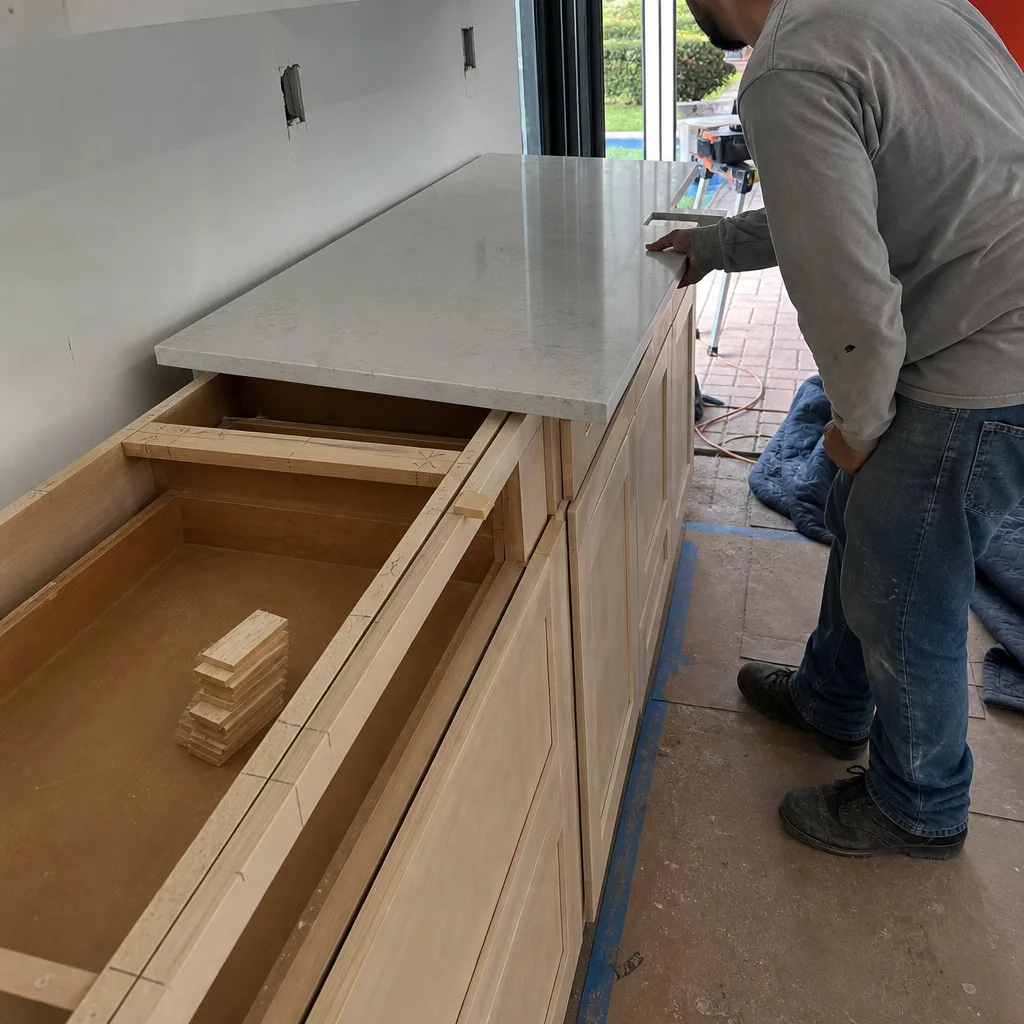
Inspections are the enforcement mechanism of the code. In West Palm Beach, they are not optional consultations; they are pass/fail checkpoints with legal consequences for proceeding without approval. The sequence matters because each inspection must pass before concealed work proceeds.
Typical inspection sequence for a residential addition in West Palm Beach:
- Foundation/Slab inspection. Verifies excavation depth, reinforcement placement, vapor barrier, and concrete compressive strength documentation. Must pass before framing begins. Common failure: rebar spacing exceeds 18 inches on center or vapor barrier has tears exceeding 1 square foot.
- Framing inspection. Verifies structural member sizes, spacing, connections, and hurricane strap installation per HVHZ requirements. Must pass before insulation or MEP rough-in. Common failure: missing or improperly nailed hurricane straps at roof-to-wall connections, or header sizing inadequate for calculated loads.
- Rough MEP inspection. Three separate inspections often scheduled together: mechanical (ductwork, gas piping), electrical (wiring, panel, boxes), plumbing (supply, drain, vent). Each must pass independently. Common failures: electrical box fill exceeding code maximum, plumbing vent terminal too close to window, ductwork unsupported at intervals exceeding 8 feet.
- Insulation inspection. Verifies R-value, installation quality, and air barrier continuity. The 8th Edition added mandatory blower door testing for new construction and substantial additions; the threshold is 5.0 air changes per hour at 50 Pascals. Common failure: compressed insulation at electrical boxes, gaps in spray foam application, or failure to achieve air leakage target.
- Final inspection. Comprehensive review of finished work, safety equipment (smoke/CO detectors), stair geometry, handrail height, and egress requirements. Common failure: missing or incorrect hurricane shutter documentation, stair riser height variation exceeding 3/8 inch, or GFCI protection omitted in required locations.
Each inspection requires 24-hour advance scheduling through the ePZB portal or by phone. The inspector arrives in a scheduled window, typically 8 AM to 12 PM or 1 PM to 4 PM. The contractor or homeowner must be present to provide access.
Re-inspection fees apply when:
- The work is not complete for the scheduled inspection type
- Code violations are identified and must be corrected
- The inspector cannot access the work area
- Required documentation (test reports, product approvals, engineer letters) is not on site
The re-inspection fee is $75 for the first re-inspection and $150 for subsequent re-inspections of the same item. These fees are non-negotiable and must be paid before the next inspection is scheduled. On a complex project, we’ve seen re-inspection fees exceed $1,000 when a homeowner proceeded without addressing first-round deficiencies.
A critical detail for West Palm Beach: the city requires a “pre-construction” meeting for additions over 500 square feet and all new construction. This meeting covers site maintenance, tree protection, erosion control, and inspection scheduling. Missing this meeting can result in a stop-work order even if all permits are valid.
Owner-Builder Permits: Legal, But Risky
Florida law permits single-family homeowners to act as their own contractor on their primary residence. This is the owner-builder path, and it is genuinely legal. It is also genuinely risky in ways that permit approval does not eliminate.
What an owner-builder permit allows:
- The homeowner pulls the permit in their own name, not a contractor’s
- The homeowner hires and directs subcontractors directly
- The homeowner schedules inspections and is present for each
- The homeowner signs the affidavit of owner-builder status
What an owner-builder permit does NOT provide:
- Exemption from any code requirement
- Exemption from inspection sequence or standards
- Liability protection if work fails or causes damage
- Workers’ compensation coverage for uninsured workers on the property
- Automatic resale protection; unpermitted or improperly permitted work must be disclosed and may require retroactive permitting
The liability difference between owner-builder and licensed contractor is stark. A licensed contractor carries general liability insurance, workers’ compensation (or exemption documentation), and is accountable to the state Construction Industry Licensing Board for code compliance. An owner-builder assumes all these liabilities personally. If a subcontractor’s employee is injured on site, the homeowner’s homeowner’s policy may deny the claim if the work was construction-related and the subcontractor lacked coverage. If the work fails inspection and causes damage to neighboring property, the homeowner’s personal assets are exposed.
Florida’s owner-builder statute also contains a critical limitation: the exemption applies only to the owner’s primary residence, and the owner must occupy the property for at least one year after completion. This prevents speculative builders from using the owner-builder path to avoid licensing. Violation is a first-degree misdemeanor.
In our experience across 4,000-plus projects, the owner-builder path makes sense only for homeowners with construction management experience, established subcontractor relationships, and tolerance for the time investment. For a kitchen remodeling or room addition, the coordination of structural, MEP, and finish trades typically requires 40 to 60 hours of direct management per week during active construction. The savings from eliminated general contractor markup, typically 15% to 25% of construction cost, are frequently consumed by schedule overruns, re-inspection fees, and change orders that a professional contractor would have prevented through pre-construction planning.
Under Clause 1 of the Haven Standard, Rowan Construction Group delivers a written price before any work starts, every time. The owner-builder considering this path should compare that written price against their own detailed estimate including permit fees, inspection scheduling time, liability exposure, and the cost of their own time at a realistic hourly rate.
How to Track Your Permit Status Online
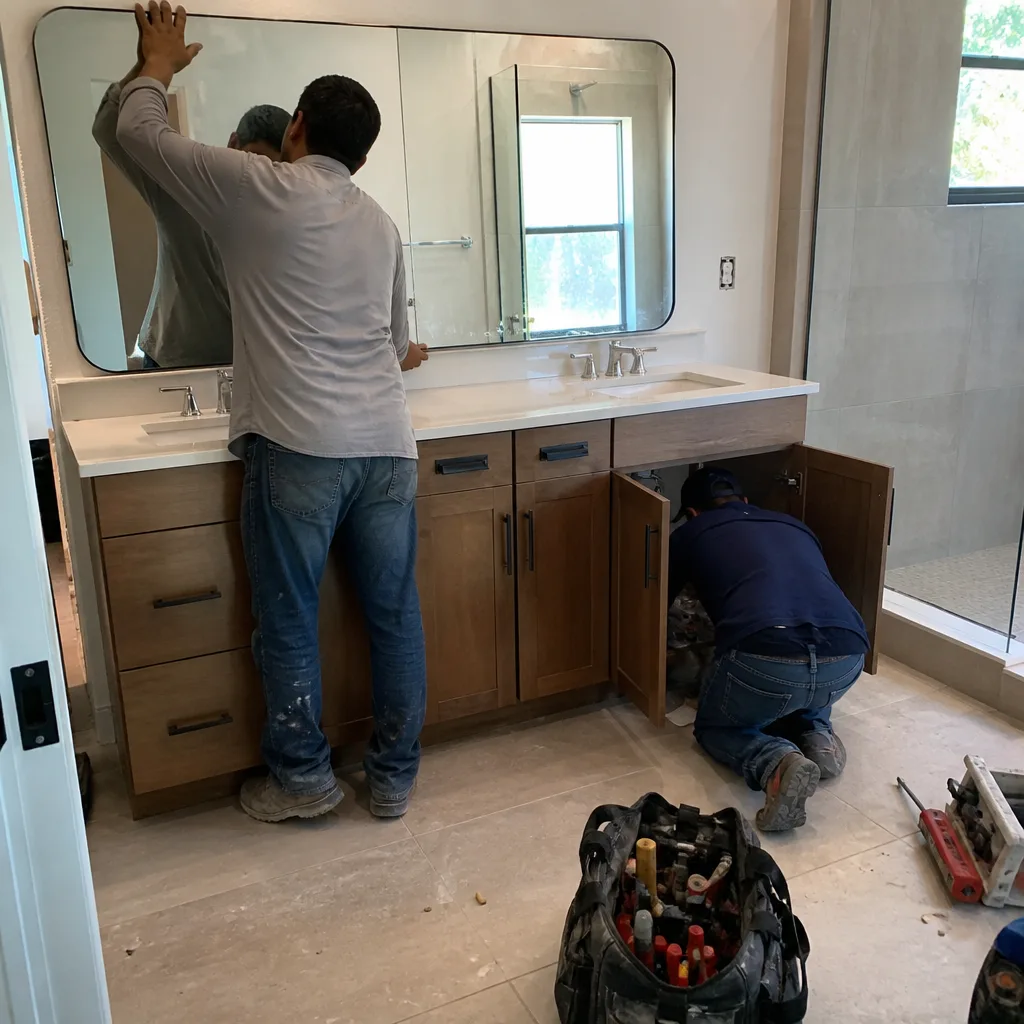
Palm Beach County and the city of West Palm Beach use the ePZB portal for permit application, status tracking, and inspection scheduling. The system is functional but not intuitive; understanding the status codes prevents unnecessary phone calls and missed deadlines.
Step-by-step: creating and using an ePZB account
- Navigate to the Palm Beach County ePZB portal and select “Register New Account.” You will need an email address and will create a password with complexity requirements.
- Link your property by parcel ID (found on property tax records) or street address. The system will display all permits associated with that property, active and historical.
- Submit permit applications through the “Apply for Permit” workflow. Upload plans as PDF, single-page format, with sheet size no larger than 36×48 inches. The system rejects non-PDF uploads and files exceeding 50 MB per sheet.
- Pay fees online via ACH transfer (no fee) or credit card (2.5% convenience fee). Permit is not issued until payment clears.
- Track status through the “My Permits” dashboard. Status updates automatically as staff processes the application.
Common ePZB status codes and their meaning:
- Application Received: Submitted, not yet assigned to reviewer. Typical duration: 1-3 business days.
- Under Review: Assigned to plan reviewer. Duration varies by project complexity: 5 business days for simple trade permits, 15-20 business days for building permits with structural plans.
- Revisions Required: Reviewer has identified deficiencies. Comments are posted to the portal; applicant must upload corrected plans and pay re-review fee if applicable.
- Approved Pending Payment: Plans meet code; fees must be paid to issue permit. Hold time: 10 business days before automatic cancellation.
- Issued: Permit is active. Work may commence. Inspections may be scheduled.
- Inspection Scheduled: Inspector assigned, date confirmed. Cancellation less than 24 hours before incurs $75 fee.
- Partial Approval: Some items passed, others require correction. Re-inspection required for failed items only.
- Approved: All required inspections passed. Certificate of Completion or Certificate of Occupancy available for download.
- Expired: No inspection activity within 180 days of issuance or last approved inspection. Requires renewal fee and possible plan re-review.
- Closed: Final documentation complete, permit archived.
A practical note: the ePZB system sends email notifications at status changes, but these occasionally route to spam. We recommend checking the portal directly every 48 hours during active review. The system also maintains a document library for each permit where approved plans, inspection results, and correction notices are stored permanently. These records are valuable for future property sale, insurance claims, or warranty disputes.
For properties in unincorporated Palm Beach County (not within West Palm Beach city limits), the county ePZB system is used directly. For city of West Palm Beach properties, the city uses a branded instance of the same platform with additional city-specific application types. The URL and login credentials are distinct; permits do not transfer between systems.
Common Mistakes to Avoid
- Assuming inland zip codes escape HVHZ requirements. Palm Beach County’s HVHZ boundary extends farther west than the coastal ridge; we’ve seen properties near Okeechobee Boulevard required to meet full impact-resistant glazing standards. Verify with the county’s HVHZ map before ordering windows or doors.
- Pulling trade permits without a building permit when structural work is involved. A homeowner replaces a load-bearing wall with a beam, pulls only an electrical permit for relocated outlets, and faces a stop-work order when the structural modification is discovered. If walls move, a building permit is required regardless of other trade work.
- Proceeding with concealed work before rough inspection passes. Drywall over uninspected electrical, or concrete over uninspected foundation, requires destructive removal for verification. The re-inspection fee is minor compared to the reconstruction cost.
- Using product approvals from other Florida jurisdictions. Miami-Dade County product approvals are widely recognized, but Palm Beach County maintains its own list of approved products for certain categories, including shutters and impact-resistant glazing. A product with Miami-Dade approval may still require Palm Beach County submittal and review.
- Neglecting the tree protection plan. West Palm Beach’s tree ordinance protects native species above certain caliper sizes. Construction activity within the critical root zone, typically 1 foot per inch of diameter at breast height, requires protection fencing and may require arborist consultation. Violation triggers stop-work orders independent of building code compliance.
- Failing to schedule the pre-construction meeting. Required for additions over 500 square feet and all new construction, this meeting covers site rules that are not intuitive. We’ve seen projects halted for inadequate erosion control silt fencing, a $200 item that should have been addressed in the meeting.
- Assuming permit expiration is negotiable. Permits expire after 180 days of inactivity. Renewal requires fee payment and, if code editions have changed during the lapse, potential plan revision to current standards. A permit issued under the 7th Edition that expires during transition to the 8th Edition may require full re-submittal.
When to Call a Professional
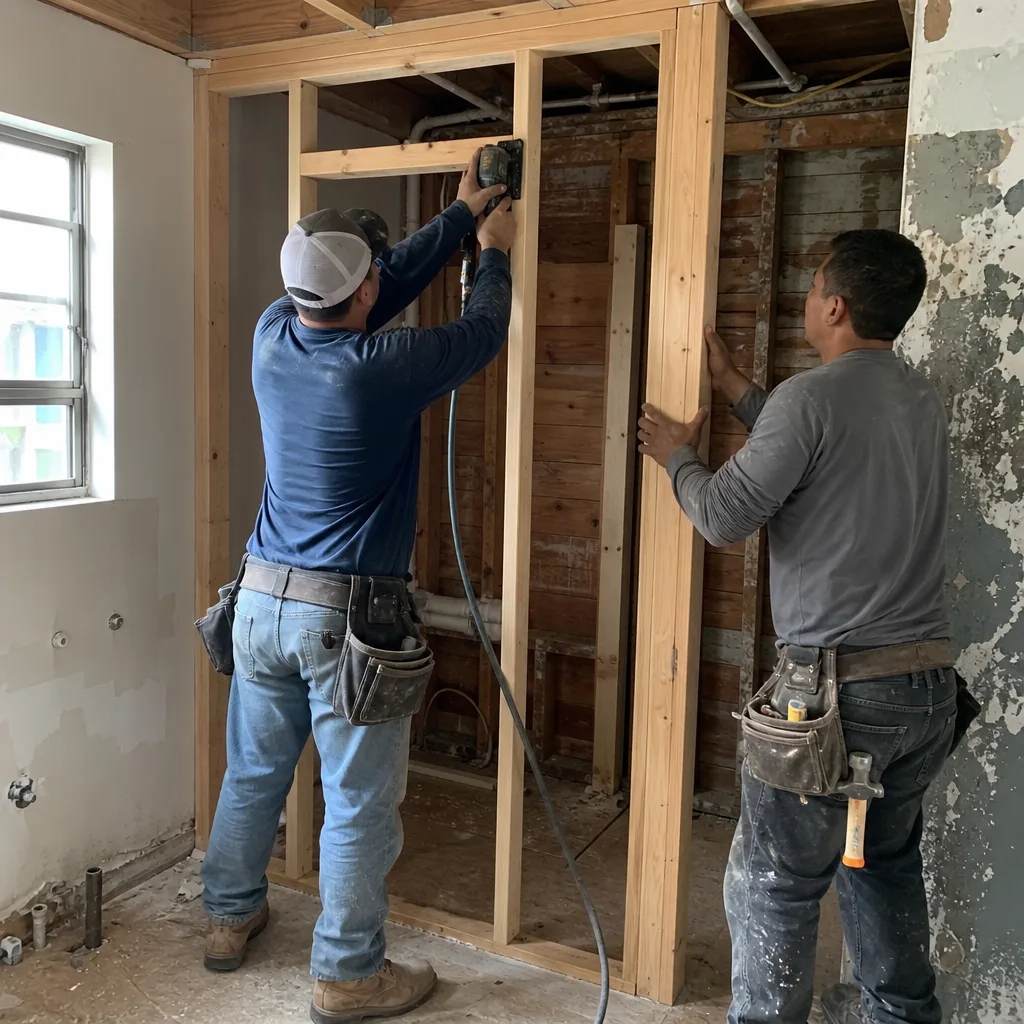
Call a licensed contractor when the project involves structural modification, multiple trade coordination, or compliance with HVHZ or floodplain requirements. The three-layer code system in West Palm Beach creates interaction effects that are not obvious from reading any single layer. A professional who has navigated these interactions repeatedly will identify the requirements that apply to your specific property, not to properties in general. If you’re evaluating bids, How to Hire a Construction Contractor in West Palm Beach: A Step-by-Step Guide can help you compare qualifications.
Rowan Construction Group West Palm Beach offers free estimates for projects across all seven trades. Every estimate is a written price with a written scope, delivered before any work starts, under Clause 1 of the Haven Standard. We pull permits as standard practice, schedule inspections on your behalf, and deliver a documented photo record of every visit. For a second opinion on any written estimate you’ve received, we review competitor quotes line by line at no charge.
Call (561) 475-3903 to schedule your free estimate.
Frequently Asked Questions
Building permit fees in West Palm Beach range from approximately $75 for a water heater replacement to $3,200 for a large ADU, with plan review fees adding 50% to the base permit cost. The total includes a 4% Florida surcharge capped at $200. Call (561) 475-3903 for an exact quote on your specific project - estimates are free.
Yes, Florida allows single-family homeowners to pull owner-builder permits for their primary residence, but the homeowner assumes full liability for code compliance, worker safety, and quality of work. The owner must occupy the property for at least one year after completion, and the exemption does not apply to rental or investment properties. For projects involving structural, electrical, plumbing, or mechanical work, the liability exposure typically exceeds any savings from eliminated contractor markup.
Failed inspections require correction of the identified deficiency and scheduling of a re-inspection. In West Palm Beach, re-inspection fees are $75 for the first occurrence and $150 for subsequent re-inspections of the same item. Work cannot proceed beyond the failed inspection point until the re-inspection passes. Multiple failures on the same item may trigger a requirement for revised plans or engineer involvement.
Yes, roof replacement exceeding 25% of total roof area in any 12-month period requires a building permit in West Palm Beach. The permit triggers inspection for proper HVHZ installation, including enhanced nailing patterns and wind uplift resistance. The contractor must be registered with the city and must notify the building department within 24 hours of commencing work. GAF and Owens Corning shingles are commonly specified, but must be installed to the HVHZ detail, not the standard detail, in Palm Beach County.
Simple trade permits (electrical, plumbing, mechanical) typically review in 5 business days. Building permits with structural plans require 15-20 business days for initial review, with additional time if revisions are needed. The pre-construction meeting, required for additions over 500 square feet, must be scheduled after permit issuance and before work begins. Total elapsed time from application to first inspection is typically 4-6 weeks for complex projects.
The permit fee itself is fixed at issuance based on the declared valuation. However, if field conditions or plan changes increase the scope of work, a permit modification may be required with additional fees. At Rowan Construction Group, no work proceeds on a change until a signed change order documents the scope and price adjustment. This discipline, acquired through The Haven Standard, keeps projects within a few percent of the agreed cost. Call (561) 475-3903 for a written price before any work starts.
Yes, permit acquisition and inspection scheduling are standard inclusions in every Rowan Construction Group project, not optional add-ons. We register annually with the city of West Palm Beach, maintain current state and county licenses, and coordinate all inspection appointments. The customer receives copies of all permit documents and inspection results as part of the documented project record. Under the 365-Day Done Right Promise, if any inspection-related deficiency emerges within one year, we make it right at our expense.
The Bottom Line
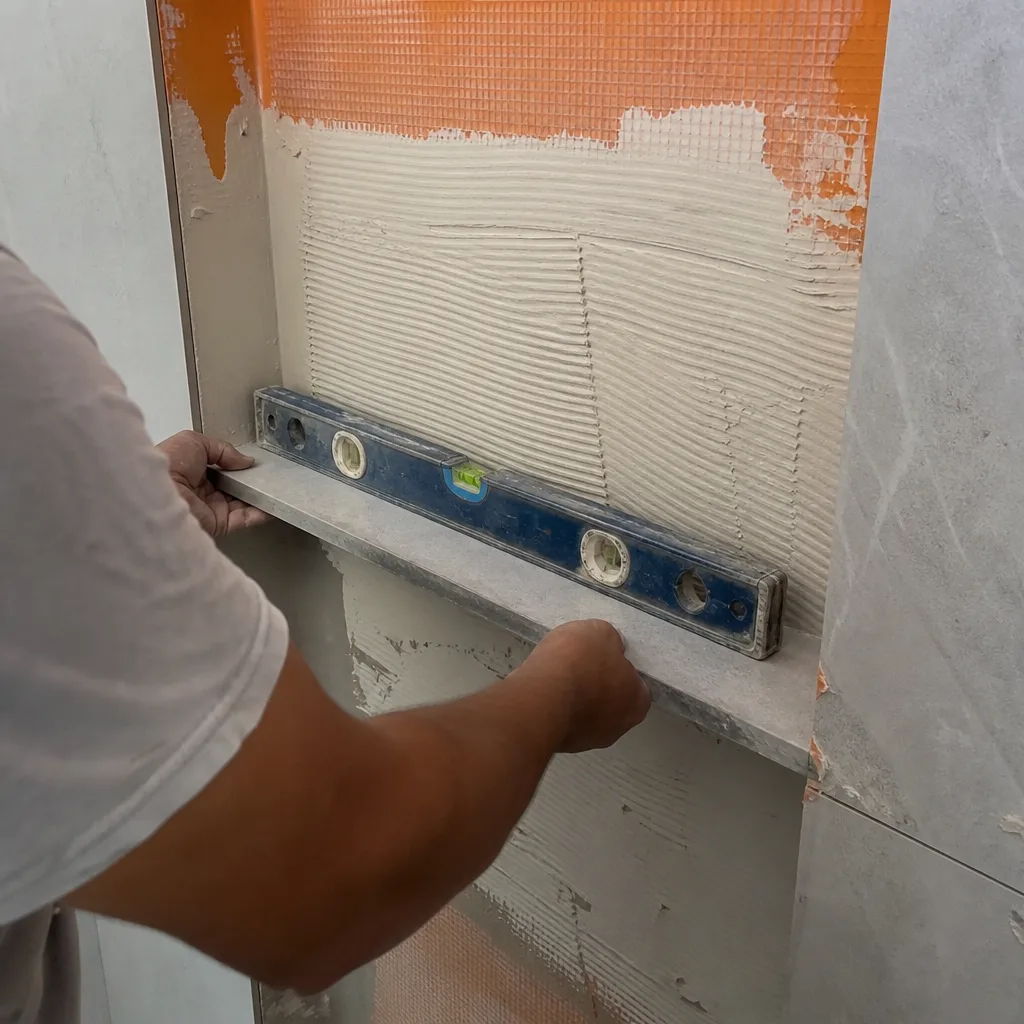
Florida’s construction permitting system rewards preparation and penalizes assumptions. In West Palm Beach, the three-layer stack of state code, county amendments, and city rules creates specific requirements for HVHZ construction, floodplain compliance, and energy performance that differ materially from other Florida markets. Permit costs are formula-based and predictable, but the total project cost includes plan review, impact fees, potential re-inspections, and the time value of schedule management. Owner-builder permits are legal but carry liability that most homeowners underestimate. The ePZB portal provides transparency for those who understand its status codes, but it does not replace professional judgment in determining which codes apply to which projects. Documentation - permits, inspections, photo records, change orders - is the difference between a project that closes cleanly and one that surfaces problems at resale or after weather events.
Written by Grant Rowan, Owner at Rowan Construction Group West Palm Beach, serving West Palm Beach since 2007.