
Last updated September 22, 2026
Free written scope consultation - allowances, timeline, and change-order rules on paper before a single trade is scheduled
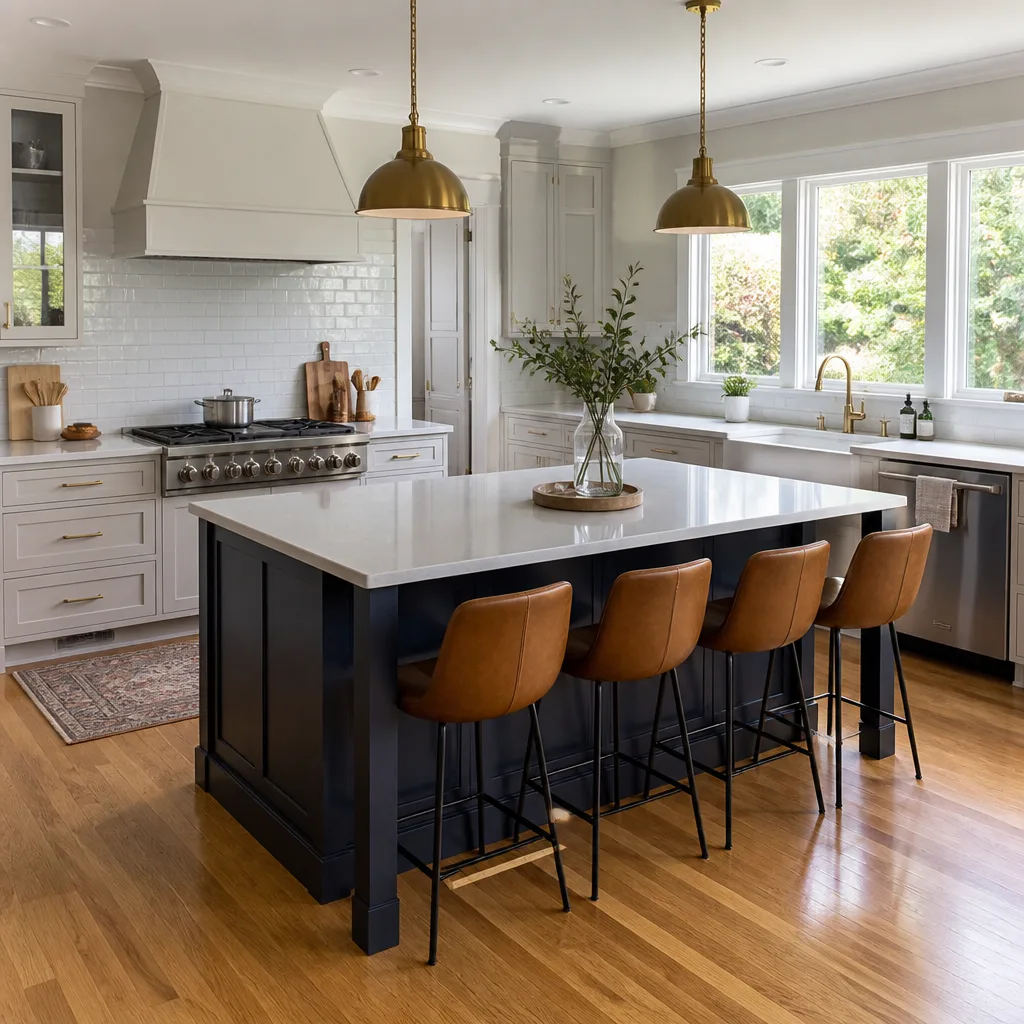
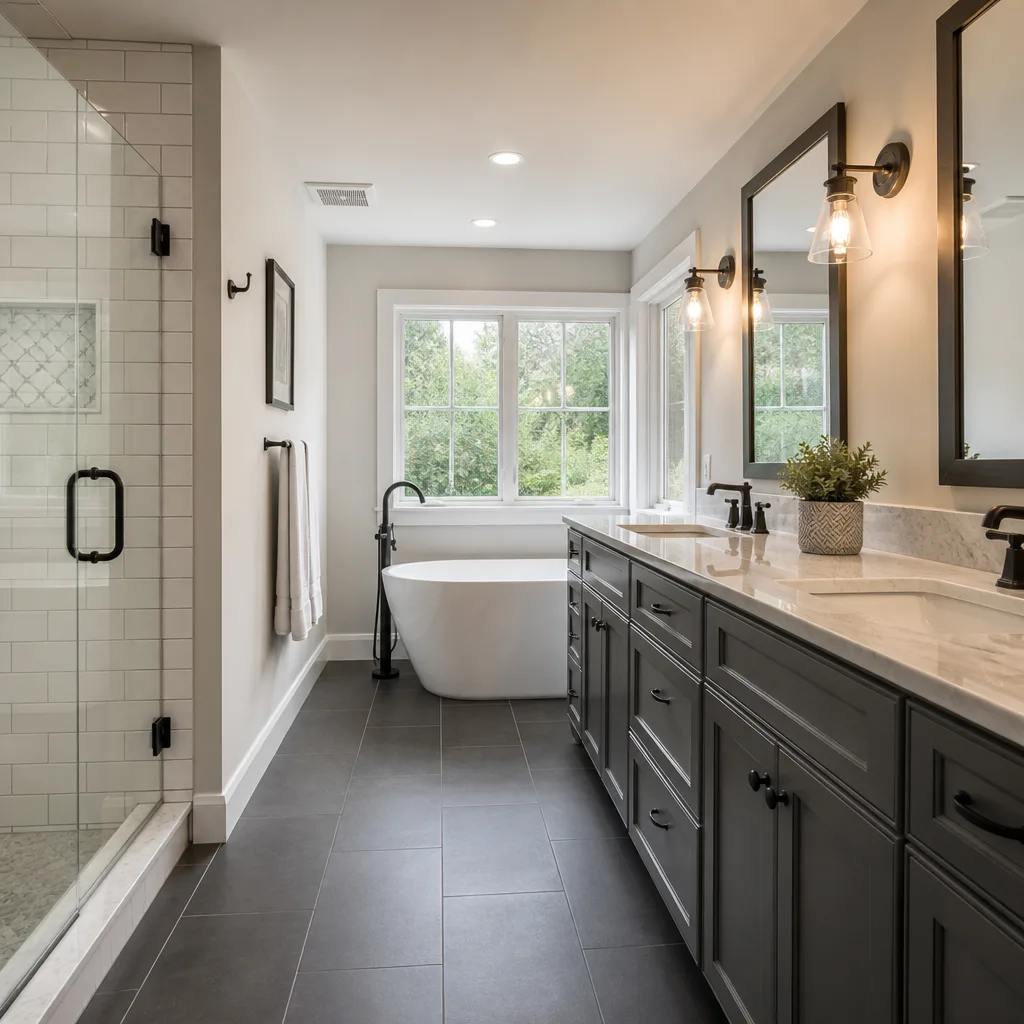
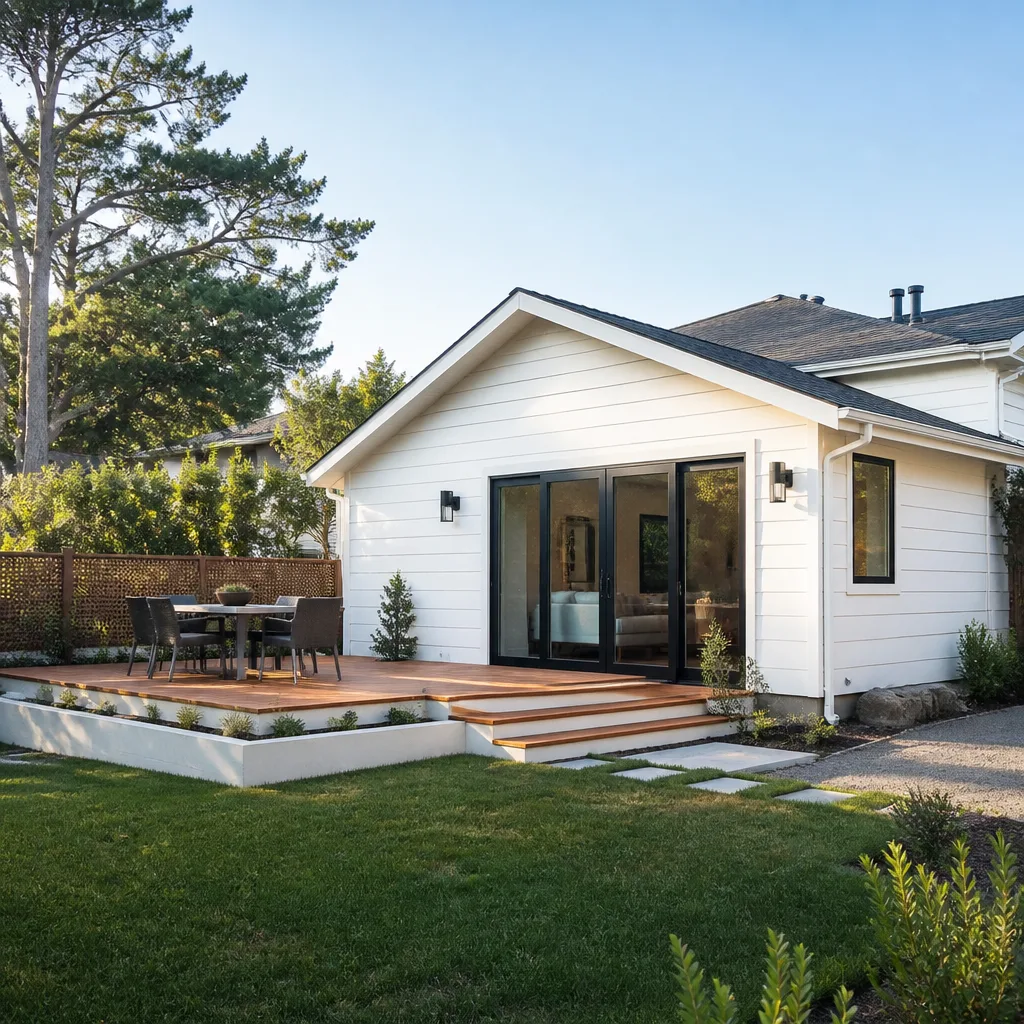

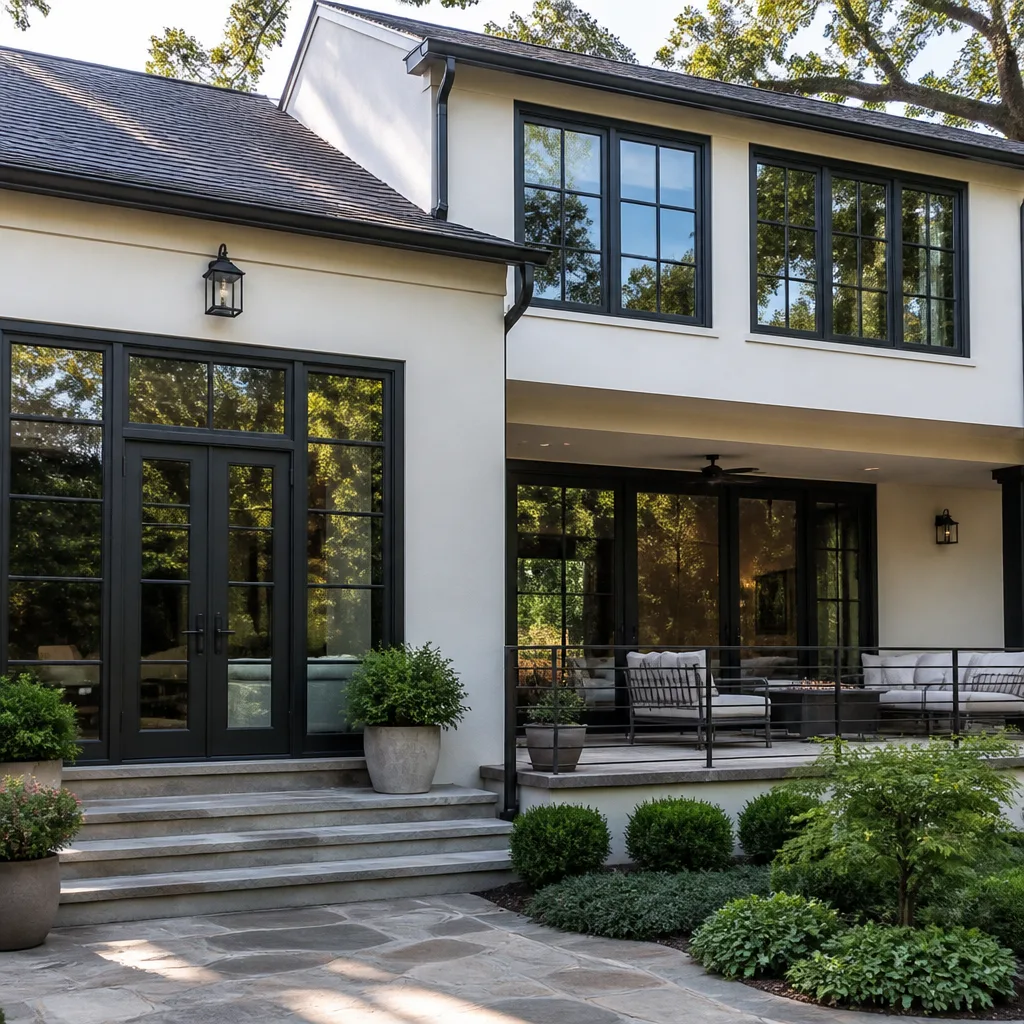
 Before
 After
After Before
 After
After Before
 After
AfterConstruction Warning Signs: A West Palm Beach Homeowner’s Reference Guide
The most predictive warning sign of a cost overrun is not a low bid. It is a contract that refuses to name materials by brand and specification. A contractor who writes “impact windows” without specifying Andersen, PGT, or CGI is reserving the right to substitute after you’ve signed, and in West Palm Beach, where the Building Division enforces the Florida Building Code’s wind-borne debris provisions strictly, that substitution can mean the difference between a window that passes final inspection and one that doesn’t. This guide shows you the specific documentation absences, material substitutions, and permit violations that signal real risk on a South Florida construction project, because the dangerous contractors here are often charming enough, they’re just sloppy on paper.
Quick Answer
The warning signs that matter most on a West Palm Beach construction project are: contracts without brand-specific material schedules, allowance line items without ceilings, change order waivers, permit requests that put the homeowner as the permit holder on licensed work, and subcontractor licenses that don’t check out on the Florida DBPR portal. These paperwork failures predict cost overruns and code violations more reliably than personality impressions or online ratings.
Table of Contents
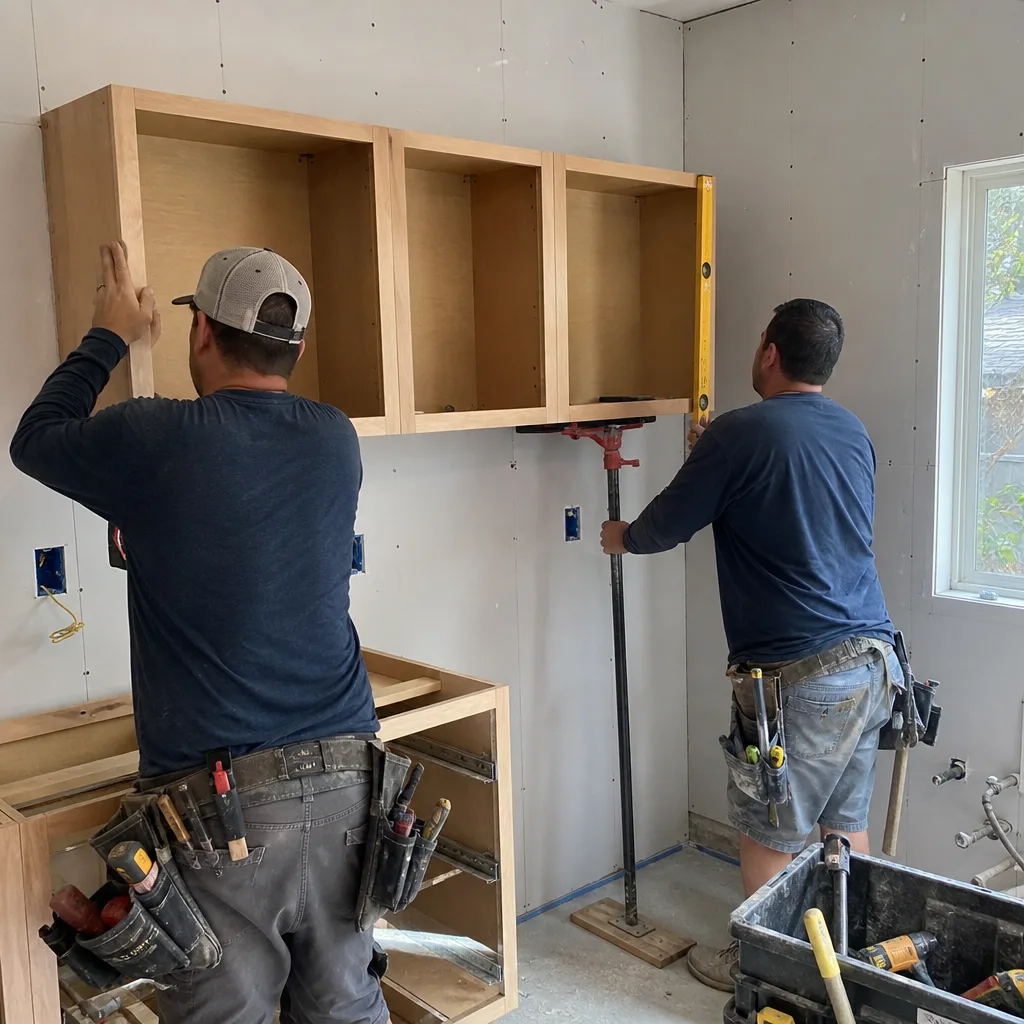
- Contract Language Red Flags That Cost West Palm Beach Homeowners Money
- Permit Warning Signs and Florida Licensing Law
- How to Spot Material Substitution Before It Happens
- Inspection Avoidance Patterns and How to Verify Sign-Offs Yourself
- Subcontractor License Verification: What Your GC Doesn’t Have to Tell You
- Pricing Tactics That Predict Project Failure
- The Documentation Standard That Separates Professionals from Risks
- Common Mistakes to Avoid
- When to Call a Professional
- Frequently Asked Questions
BeforeAfterContract Language Red Flags That Cost West Palm Beach Homeowners Money
Florida Statute 489 governs construction contracting, but the statute doesn’t regulate what your contract says, only who can sign it. The real protection is in the document itself, and most West Palm Beach homeowners sign contracts with three fatal flaws they never notice until the change orders start arriving.
“Allowance” line items without a defined ceiling. An allowance is a budget placeholder for selections the homeowner hasn’t made yet, common in kitchen and bathroom remodeling. The red flag is an allowance with no maximum. We’ve reviewed competitor quotes where the “tile allowance” was $4,000 on a master bathroom in El Cid or Flamingo Park, but the contract allowed the contractor to bill actual cost plus markup with no cap. The homeowner selected a $12,000 tile package and faced an $8,000-plus surprise. Under Clause 1 of the Haven Standard, our quotes specify either an exact product or an allowance with a hard ceiling and a written process for selections above that number.
“Material as available” clauses. This language appears in roofing contracts frequently in West Palm Beach, where supply chain delays after Hurricane Ian still affect shingle availability. The clause lets the contractor substitute “equivalent” material without written approval. Equivalent by whose standard? The contractor’s, not the manufacturer’s. A GAF Timberline HDZ and a generic architectural shingle are both “asphalt shingles,” but they carry different wind warranties, different Miami-Dade product approval numbers, and different outcomes when the Building Division inspector checks the packaging against the permit. We specify brand, line, and color in writing before work starts. If GAF Timberline HDZ in Charcoal is unavailable, the change order names the substitute explicitly, with the homeowner’s signature.
Change order waivers or “implied authorization” language. Some contracts state that work continuing beyond a disputed change order constitutes acceptance of the charge. This is unenforceable in Florida courts, but it intimidates homeowners into paying disputed amounts to avoid litigation costs. Our discipline is simpler: no work proceeds on a change until the change order is signed. This administrative step, acquired when Haven purchased Rowan in 2019, is the reason our projects finish within a few percent of the agreed price across 4,000-plus jobs.
Missing lien release provisions. Florida’s construction lien law allows subcontractors and suppliers to file liens against your property even if you paid the general contractor in full. A proper contract requires final lien releases from all tiers before final payment. We provide these as a standard deliverable, not an add-on.
Permit Warning Signs and Florida Licensing Law
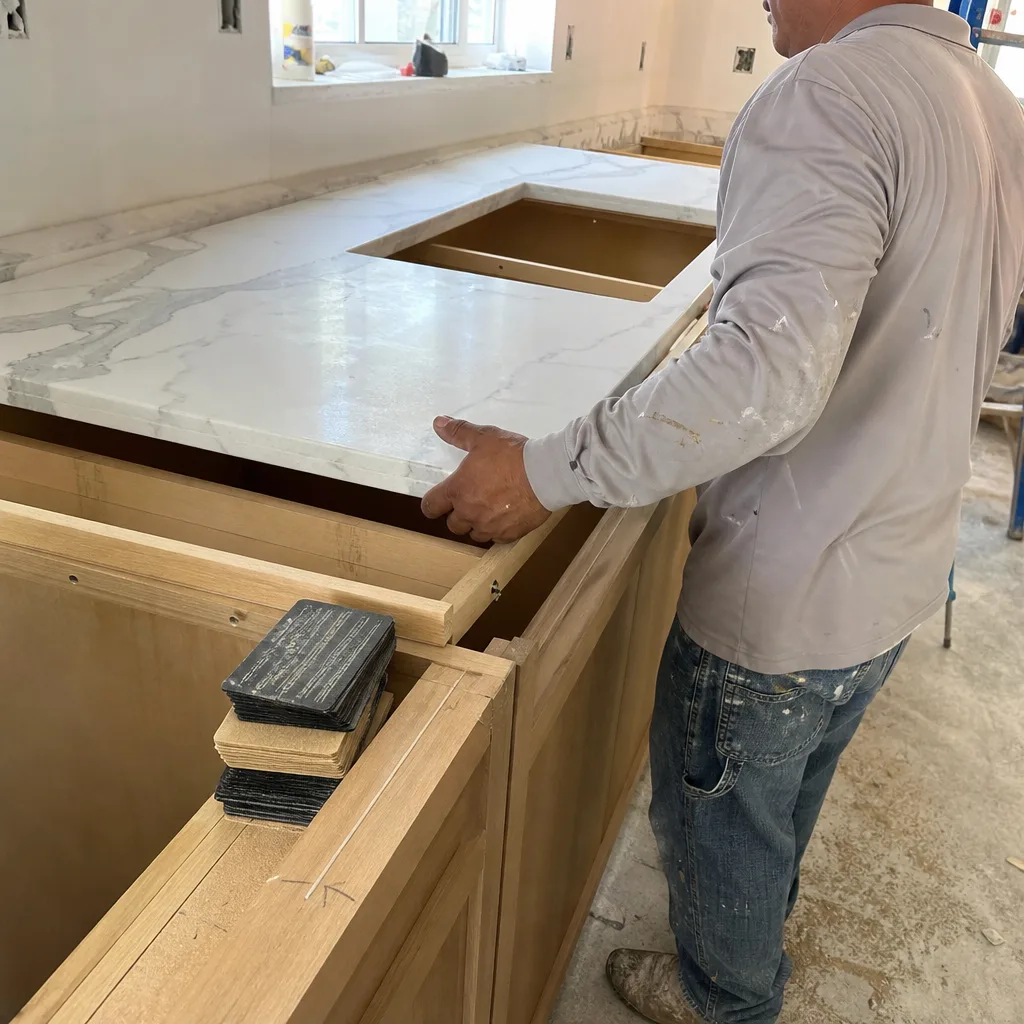
In West Palm Beach, the Building Division at 2300 N. Jog Road issues permits and conducts inspections for all construction work beyond cosmetic finishes. The permit process is not bureaucracy for its own sake. It is the mechanism by which the city verifies that licensed professionals are doing regulated work and that the work meets the Florida Building Code, including the wind-borne debris provisions that matter enormously in a hurricane zone.
A contractor who asks you to pull your own permit on work requiring a licensed contractor is committing a licensing violation under Florida Statute 489.126. The statute prohibits unlicensed construction and also prohibits licensed contractors from avoiding accountability by having the homeowner act as the permit holder. When you pull the permit as “owner-builder,” you assume liability for code compliance, worker injury on your property, and subcontractor payment disputes. The contractor gets the work and none of the legal exposure.
Here’s how to verify permit status in West Palm Beach:
- Visit the Palm Beach County Permitting Portal or the City of West Palm Beach website for city-specific projects.
- Search by property address. Active permits appear with the contractor’s license number, the permit type, and inspection status.
- Verify the contractor’s license on the Florida DBPR website using the license number on the permit. The license class (Certified General Contractor, Certified Building Contractor, Registered Contractor) must match the scope of work.
- Check that inspection milestones are being logged. A roofing permit with no inspection activity for weeks during the dry season is a warning sign. A project with inspections passing out of sequence, rough electrical after final, suggests inspection avoidance or failure.
We pull permits for all work we perform, and we provide the permit number to the homeowner before work starts. The permit holder is Rowan Construction Group, not the customer, because that is what Florida law requires for licensed construction work.
How to Spot Material Substitution Before It Happens
Material substitution is the most common source of “value engineering” that reduces project quality without reducing price. In South Florida’s construction market, where humidity, salt air, and hurricane exposure stress every building component, the wrong substitution doesn’t just look different. It fails differently.
Roofing: The most substituted category in West Palm Beach. A contract specifying “architectural shingles” without naming GAF, Owens Corning, or CertainTeed leaves room for a no-name product without Miami-Dade product approval. Unapproved roofing products void your wind mitigation inspection, which raises your homeowner’s insurance premium and can prevent policy renewal. We specify brand, line, and color in writing. The delivery invoice matches the contract, and the homeowner receives a photo of the material on the truck before installation begins.
Windows and doors: “Impact window” is not a specification. Impact-rated windows in Florida must carry a Miami-Dade or Florida Product Approval number for the specific size and configuration being installed. A contract saying “impact windows, white, single-hung” allows substitution of a non-impact window with impact-resistant film, which does not meet code for new construction or replacement in wind-borne debris regions. We specify the manufacturer (Andersen, PGT, CGI, or other approved brand), the product line, the design pressure rating, and the approval number on every window and door quote.
Cabinetry and fixtures: In Kitchen Remodeling in West Palm Beach and Bathroom Remodeling in West Palm Beach, substitution often happens at the plumbing fixture level. A contract specifying “chrome faucet” allows a $45 builder-grade unit where a Delta Trinsic or a Brizo was discussed. We name the manufacturer and model on every fixture, and we provide the homeowner with the supplier’s specification sheet to confirm before ordering.
How to protect yourself:
- Request a material schedule as a contract attachment, not a verbal promise.
- Compare the schedule against delivery invoices. The brand, line, and quantity should match exactly.
- Photograph material labels before installation. Roofing shingles have date and plant codes; windows have approval numbers etched in the glass; cabinets have manufacturer labels on the back panel.
- Require written approval for any substitution, with a price adjustment if the substitute costs less.
Our documented photo record on every visit includes material arrival photos as standard, not as an upgrade. The customer leaves with evidence of what was found and what was done.
Inspection Avoidance Patterns and How to Verify Sign-Offs Yourself
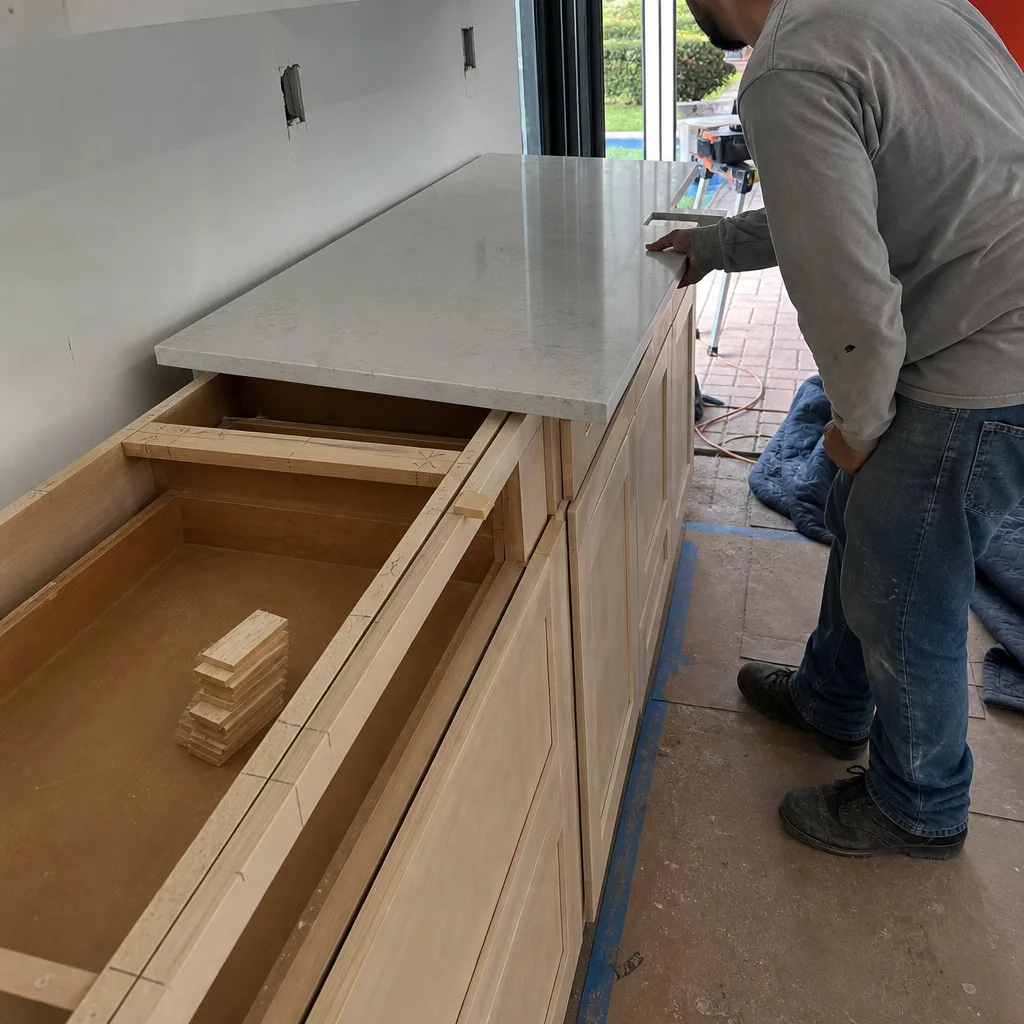
Inspections in West Palm Beach follow a sequence: footing, foundation, framing, rough plumbing, rough electrical, rough HVAC, insulation, drywall, final plumbing, final electrical, final HVAC, and final building. Each inspection must pass before the next phase proceeds legally. Contractors who avoid inspections are not saving you time. They are hiding work that won’t pass.
The pattern: framing faster than the inspection schedule. A crew that frames an addition in three days and hangs drywall before the framing inspection has passed is not “efficient.” They are preventing the inspector from seeing whether the hurricane straps are properly nailed, whether the hold-downs are in the right locations, and whether the shear walls are sheathed with the specified thickness. In West Palm Beach, where the 1928 hurricane killed thousands and building codes reflect that history, framing inspection is not optional.
The pattern: “we’ll call you when we’re ready for final.” A project that lingers at 90% complete for weeks may indicate failed inspections the contractor isn’t disclosing. The homeowner pays the final draw, the contractor moves to the next job, and the permit never receives final sign-off. This leaves the homeowner with unpermitted work that must be disclosed on sale, and often must be opened up for inspection before a new buyer’s lender will fund.
How to verify inspections yourself:
- Obtain the permit number from your contractor or from the permitting portal by property address.
- Log into the Palm Beach County or City of West Palm Beach permitting system weekly during active construction.
- Check that inspection results show “Pass” or “Approved,” not just “Scheduled” or “Inspected.” A status of “Inspected” with no result often means failed, and the contractor must reschedule.
- Confirm that final inspection passes before making final payment. A permit with no final sign-off is incomplete, and the contractor has no legal right to demand full payment under Florida’s prompt pay statutes.
We provide inspection status updates as part of our standard project communication, and we never request final payment before final inspection passes. The documented photo record includes inspection result printouts for the homeowner’s file.
Subcontractor License Verification: What Your GC Doesn’t Have to Tell You
A general contractor’s license in Florida does not cover unlicensed subcontractor work on your property. This is a point many homeowners misunderstand, and some contractors exploit. If your GC’s unlicensed plumber floods your house, the GC’s insurance may deny the claim, and the homeowner bears the loss.
Florida requires separate licenses for electrical, plumbing, and HVAC work. A Certified General Contractor (CGC) can contract for these trades, but the actual work must be performed by appropriately licensed individuals or certified contractors. Here’s how to verify:
- Ask your general contractor for the names and license numbers of all subcontractors who will perform regulated work on your property.
- Verify each license on the Florida DBPR website. The license status should be “Current/Active,” the license type should match the work (Certified Plumbing Contractor, Registered Electrical Contractor, etc.), and the business name should match the subcontractor’s invoice or contract.
- Check for disciplinary history. The DBPR site lists complaints, fines, and license suspensions. A subcontractor with recent disciplinary action for unpermitted work or code violations is a risk to your project.
- Confirm that the subcontractor’s insurance is current and names your property or the general contractor as additional insured. We require this documentation from every sub before they step on our jobsites.
In West Palm Beach, where many homes in neighborhoods like Northwood, El Cid, and the Flamingo Park Historic District require careful coordination between trades in tight spaces, unlicensed work is especially dangerous. An unlicensed electrician who doesn’t understand AFCI requirements for historic renovations can create fire hazards that pass visual inspection but fail under load. We background-check and verify every crew member before they arrive, and our license number appears on every permit we pull.
Pricing Tactics That Predict Project Failure
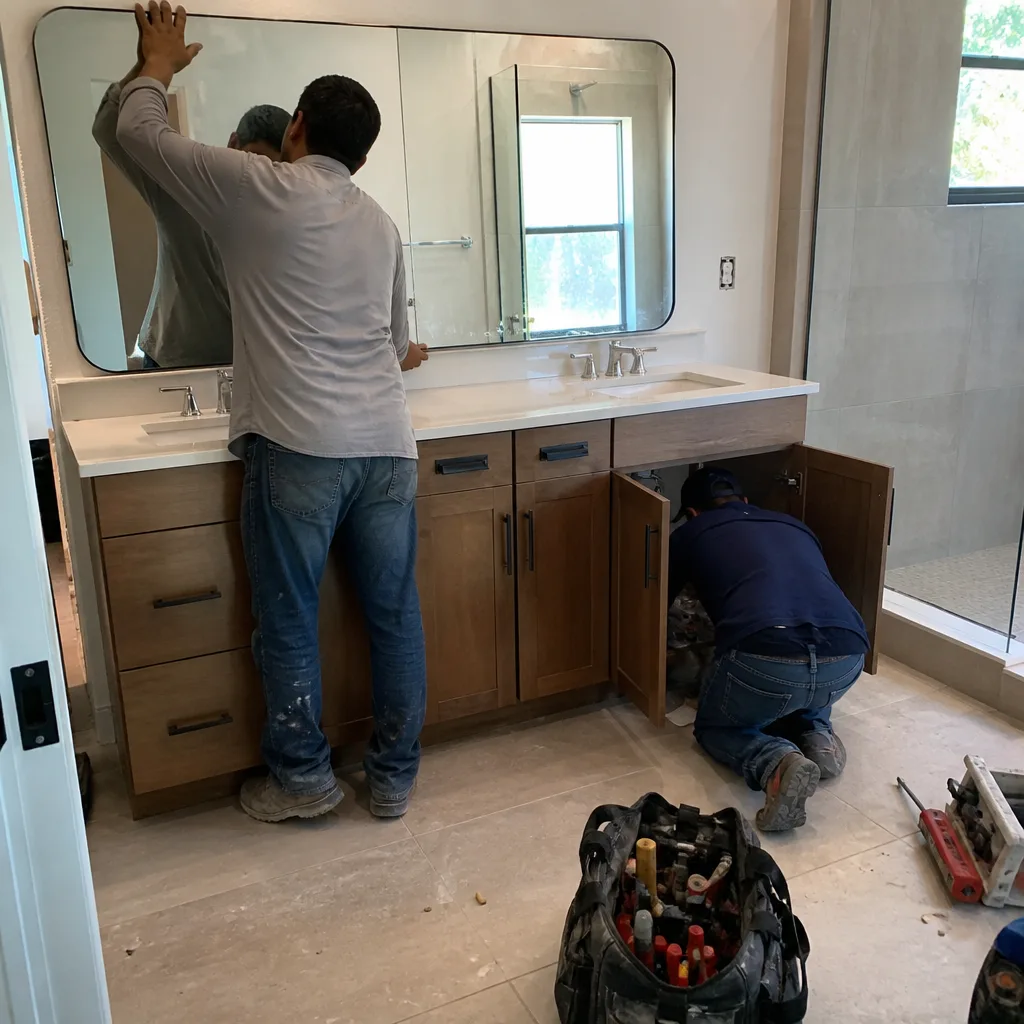
Price is information. The way a contractor structures pricing tells you how they manage projects, and certain patterns predict the outcomes we’ve seen across 4,000-plus jobs since 2007.
The “call for a quote” tactic. A contractor who won’t put a price in writing before work starts is not “customizing your experience.” They are avoiding the discipline of estimating. Our founding promise is a written price before any work starts, every time, on every trade. The quote is a flat price with a written scope and a written warranty. “Call for a quote” is not an option here.
The low bid with undefined scope. A bid 20% below competitors with a scope description of “remodel kitchen” and no cabinet line, no countertop material, no appliance specification, is not a bargain. It is a blank check. The contractor will recover margin through change orders, and the homeowner has no contractual protection because nothing was specified.
The “time and materials” proposal without a not-to-exceed cap. Time and materials contracts are appropriate for repair work with unknown conditions, but only with a written maximum. Without a cap, a project that “takes longer than expected” becomes infinitely expensive. We use flat pricing for defined scopes and time-and-materials only with written not-to-exceed limits, signed by the customer.
The payment schedule that front-loads risk. Florida law limits advance payment on construction contracts to 10% or $1,000, whichever is less, for residential work. A contractor demanding 50% upfront is either undercapitalized or planning to use your money to finish someone else’s job. Our payment schedules align with inspection milestones: deposit, rough-in completion, substantial completion, final after final inspection. The money moves when the work is verified.
Our Free Second Opinion on Any Written Estimate lets you bring a competitor’s quote and we’ll review it line by line at no charge. We’ve found allowance gaps, missing permit costs, and undefined scopes that would have cost West Palm Beach homeowners thousands.
The Documentation Standard That Separates Professionals from Risks
The contractors who create problems in West Palm Beach are rarely overtly fraudulent. They are disorganized. They lose track of change orders, forget to pull required inspections, and substitute materials because they didn’t order the right ones in time. Documentation discipline is the difference, and you can assess it before you hire.
What to request before signing:
- A written material schedule with brand names, model numbers, and quantities for every major component.
- A written payment schedule tied to inspection milestones, not calendar dates.
- A sample change order form showing how additions or substitutions will be documented and priced.
- Proof of general liability insurance and workers’ compensation coverage, with your property named or the policy verified as current.
- A copy of the contractor’s license, verified current on the DBPR website.
- References from three completed projects in the past 12 months, with addresses you can drive by.
We provide all of this as standard practice, not in response to special request. The Haven Standard requires it. Clause 1 is the written price before work starts. The documentation requirements follow from that commitment.
Our crews are background-checked and uniformed; a live person answers calls 24/7; and every visit includes a documented photo record as a standard deliverable. When we leave a Roofing in West Palm Beach jobsite, the homeowner receives photos of the tear-off, the decking condition, the underlayment installation, and the final shingle layout. This is not marketing. It is evidence.
Common Mistakes to Avoid
- Accepting verbal promises about materials. “We’ll use the good stuff” means nothing in court and less when the contractor has already cashed your check. Get brands and models in writing, or accept that substitution is likely.
- Paying for completed work without lien releases. In West Palm Beach’s active construction market, suppliers extend credit to contractors who may not pay. Without lien releases, you pay twice or face foreclosure on your home for a contractor’s default.
- Assuming a GC’s license covers all trades. It doesn’t. Verify every plumber, electrician, and HVAC technician separately on the DBPR portal. The five minutes you spend is cheaper than a lawsuit.
- Ignoring permit status after rough inspection. Many homeowners check the permit at the start and forget it. Failed inspections after rough-in are common and must be corrected before insulation and drywall hide the problems.
- Comparing bids without normalizing scope. A $45,000 kitchen bid with KraftMaid cabinets and Cambria countertops is not comparable to a $38,000 bid with generic cabinets and laminate tops. Line-item the scope yourself, or use our Free Second Opinion to compare apples to apples.
- Hiring based on personality rather than documentation. The charming contractor with no written process will be less charming when the third change order arrives and the permit still isn’t final. Assess the paperwork first.
- Failing to verify wind-borne debris approvals on windows and doors. West Palm Beach’s location in the High-Velocity Hurricane Zone means every window and door replacement must carry proper product approval. Unapproved products fail inspection and must be removed at the homeowner’s expense.
When to Call a Professional
Call a licensed contractor when your project involves structural modification, electrical or plumbing relocation, roofing replacement, window or door replacement in the HVHZ, or any work requiring a permit under the Florida Building Code. These are not DIY projects in West Palm Beach, where code compliance affects insurance coverage and resale value.
If you’ve received a quote that seems incomplete, or if you’re comparing bids and can’t tell what’s actually included, Rowan Construction Group West Palm Beach offers free estimates and a Free Second Opinion on any written estimate. We’ll review competitor quotes line by line at no charge, because a homeowner who understands their scope makes a better client. Call (561) 475-3903 to schedule your free estimate.
Frequently Asked Questions
A mid-range kitchen remodel in West Palm Beach typically runs $85,000 to $140,000, with high-end projects exceeding $200,000 depending on cabinetry line, countertop material, and appliance package. The range reflects real differences in material quality and scope, not contractor markup variation. Call (561) 475-3903 for a written line-item quote - estimates are free.
Our price changes only if you request a change and sign a written change order before the work proceeds. No work proceeds on a change until the change order is signed - this is the administrative discipline that has kept our projects within a few percent of the agreed cost across 4,000-plus jobs. Call (561) 475-3903 to discuss how we handle unforeseen conditions.
We pull all permits for work we perform, and the permit holder is Rowan Construction Group, not the customer. A contractor who asks you to pull your own permit on licensed work is violating Florida Statute 489.126. We provide the permit number before work starts, and we include inspection status updates as part of standard project communication.
Our documented photo record includes material arrival photos with visible labels, and we provide the homeowner with supplier specification sheets before ordering. For roofing, we photograph the shingle bundles on the truck; for windows, we photograph the approval numbers etched in the glass before installation. This is standard, not optional.
A 400-square-foot home addition in West Palm Beach typically requires 4 to 6 months from permit to final inspection, depending on complexity, weather during the wet season, and inspection scheduling. Projects in historic districts like Flamingo Park may take longer due to additional design review requirements. We provide a written schedule with milestone dates before work starts.
Verify permit status yourself on the Palm Beach County or City of West Palm Beach permitting portal using your property address. Check that inspections show “Pass” or “Approved,” not just “Scheduled.” If final inspection hasn’t passed and the contractor is demanding final payment, withhold payment and contact the Florida DBPR to file a complaint. Call (561) 475-3903 if you need a licensed contractor to assess work performed without proper inspection.
The Bottom Line
The contractors who create real problems in West Palm Beach are rarely caught by red-flag lists about personality or pressure tactics. They’re caught by paperwork: contracts without material specifications, permits pulled in the homeowner’s name, allowance line items without ceilings, and subcontractors whose licenses don’t check out. The protection is verification, not intuition. Name the brands in writing, verify the permits yourself, check every license on the DBPR portal, and never pay final money before final inspection passes. These steps take hours, not days, and they separate professional project delivery from the disputes that consume months.
Written by Grant Rowan, Owner at Rowan Construction Group West Palm Beach, serving West Palm Beach since 2007.