
Last updated September 22, 2026
Free written scope consultation - allowances, timeline, and change-order rules on paper before a single trade is scheduled
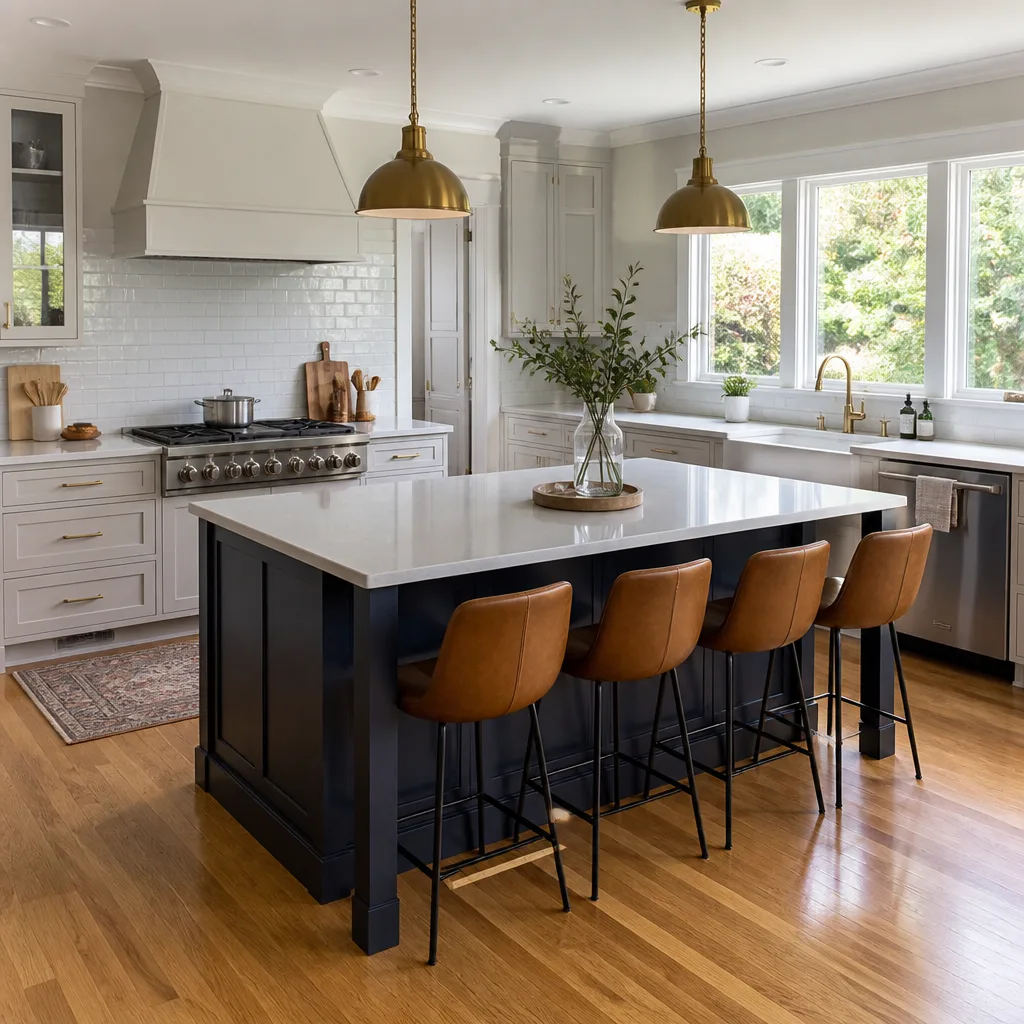
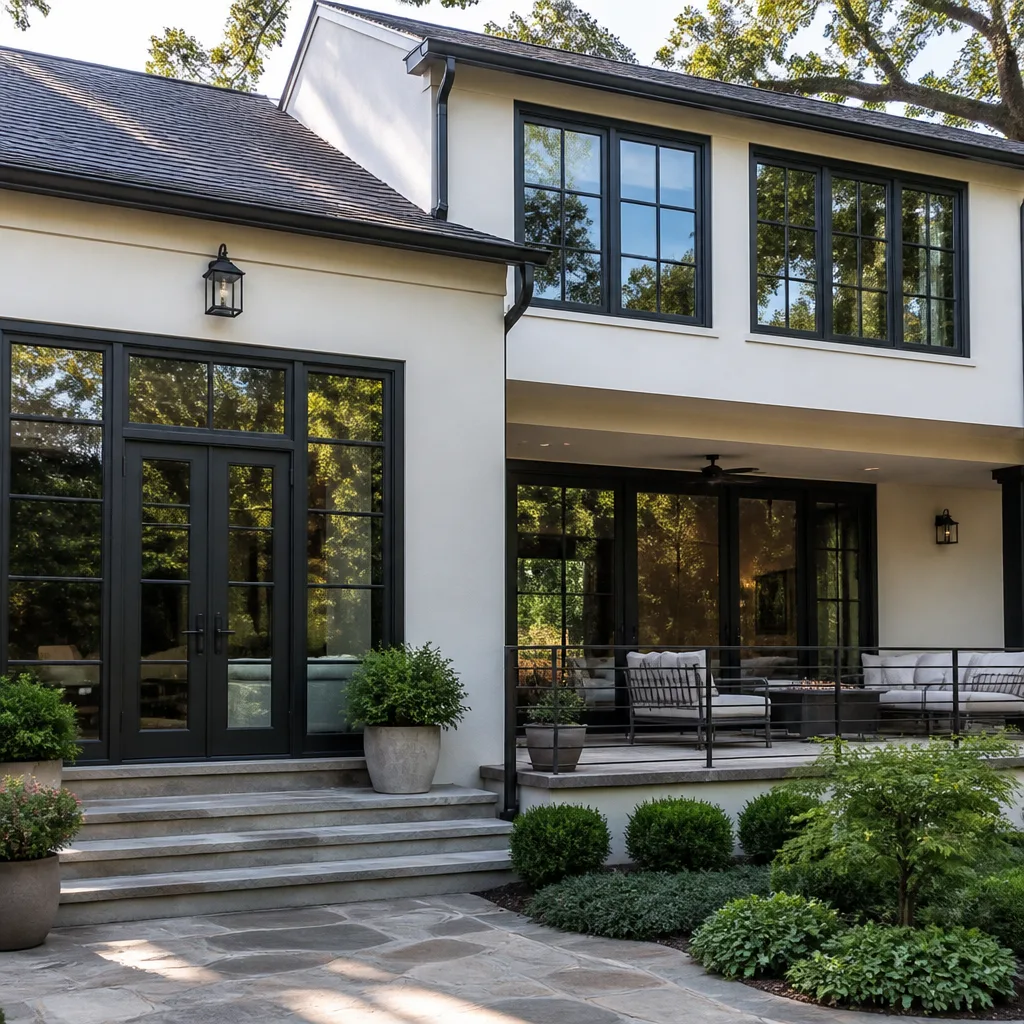
 Before
 After
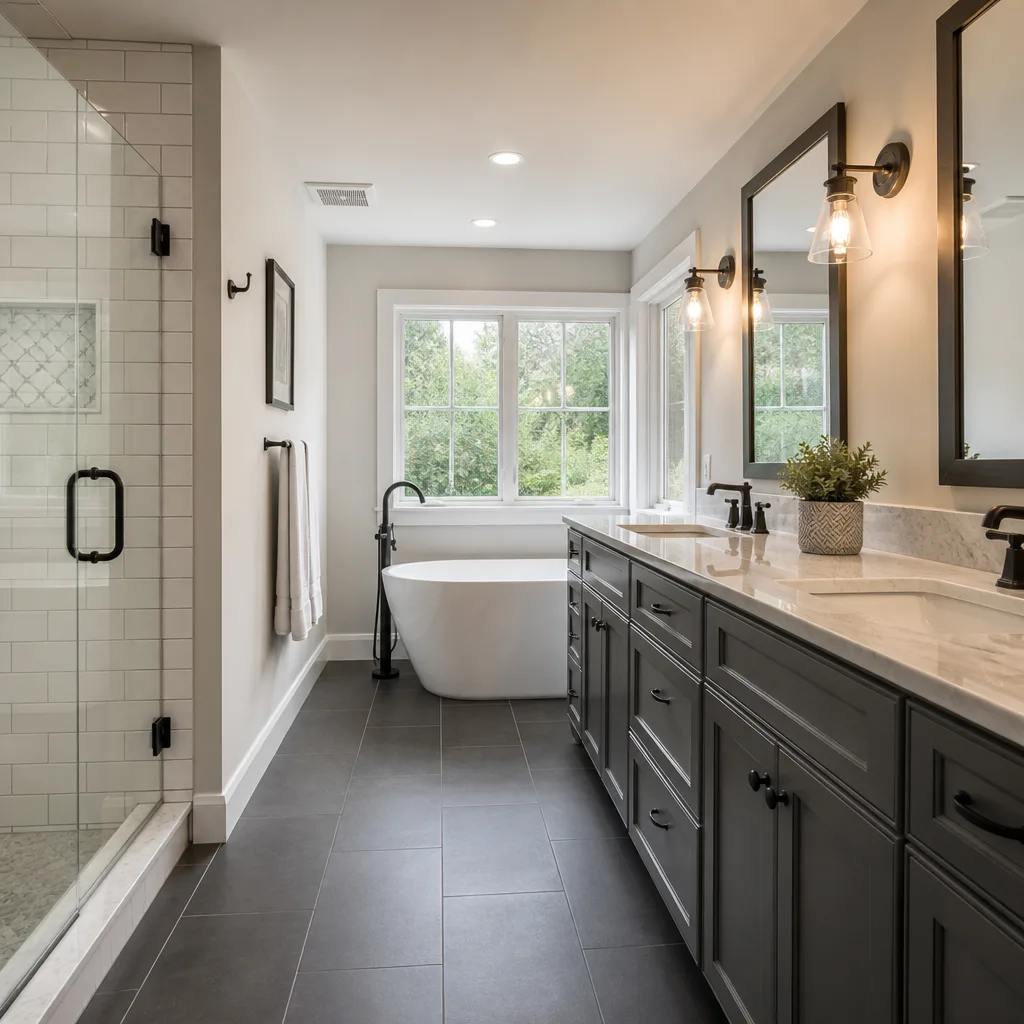
After Before
 After
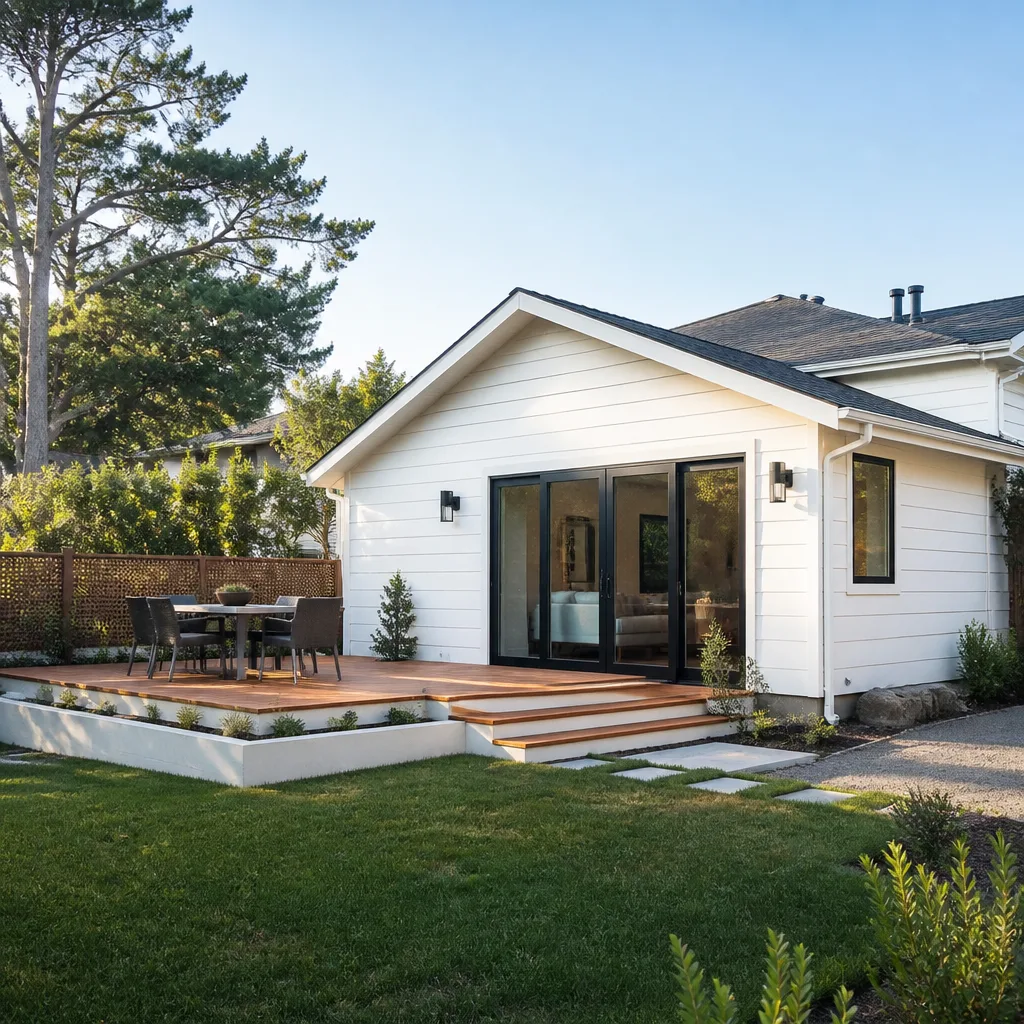
After Before
 After
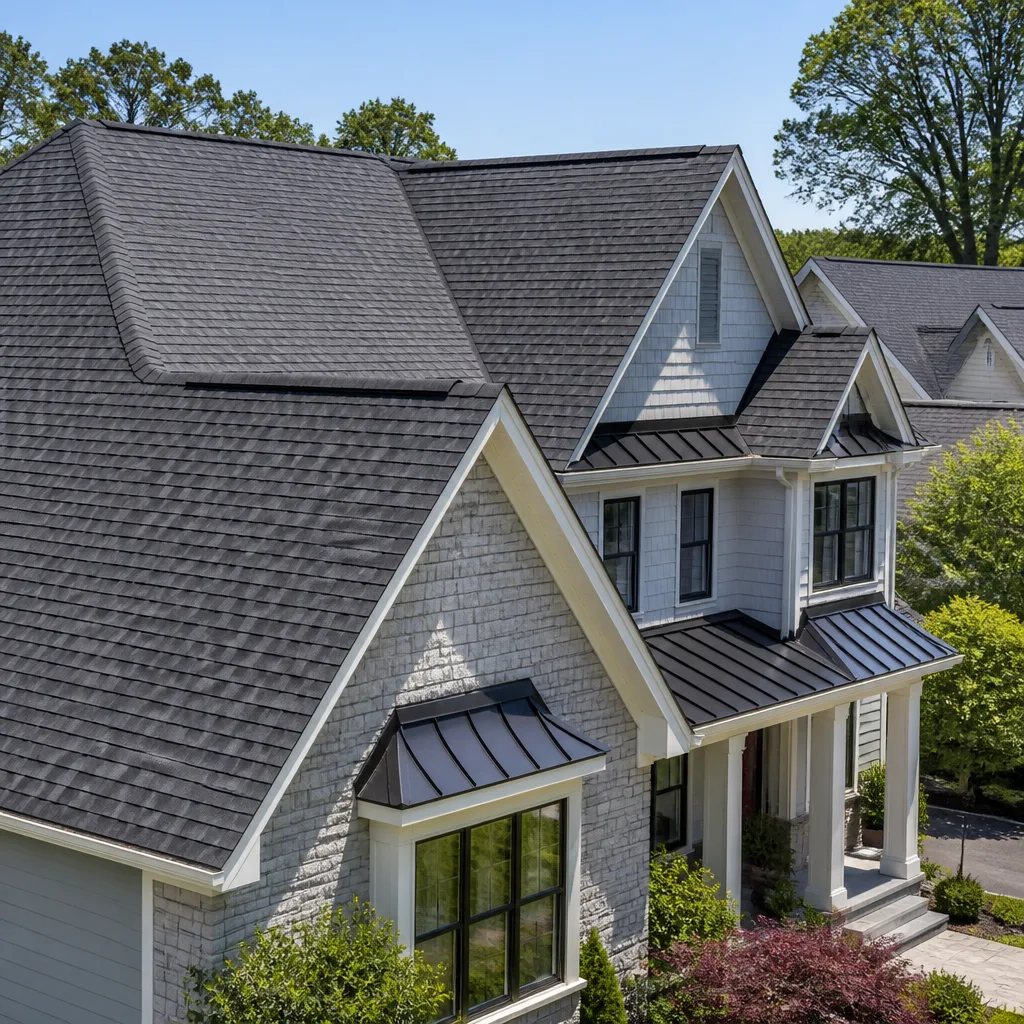
AfterThe Complete Guide to Construction in West Palm Beach
A 2,000-square-foot addition that takes 90 days to permit in Orlando can sit in West Palm Beach’s Building Division queue for 140+ days if the applicant doesn’t understand the city’s concurrent review process. That scheduling reality, not labor shortages or material delays, is what derails most residential construction timelines in this market. In this guide, we’ll map the actual local variables that govern construction in West Palm Beach: permit timelines by project type, Florida Building Code wind-speed requirements specific to Palm Beach County, 2025-2026 cost ranges in dollars for seven major trades, and the document stack required before any general contractor can legally break ground.
Quick Answer
Construction in West Palm Beach requires navigating coastal building codes with 160+ mph wind-speed design requirements, Building Division permit timelines that vary from 30 days for roofing to 140+ days for home additions, and material specifications that differ from inland Florida markets. Homeowners should budget $25,000-$350,000 depending on trade, verify their contractor’s Palm Beach County license, and confirm whether their property falls within the Coastal Construction Control Line before planning begins.
Table of Contents
- West Palm Beach Permit Timelines and the Concurrent Review Process
- Florida Building Code: What 160+ MPH Wind Speed Means for Your Project
- Construction Cost Ranges in West Palm Beach (2025-2026)
- Coastal Construction Control Line and Setback Rules Near the Intracoastal
- The Document Stack Required Before Breaking Ground
- Hurricane-Rated Materials: Brands and Specifications That Matter
- Neighborhood-Specific Construction Notes
- How to Evaluate a General Contractor in West Palm Beach
BeforeAfterWest Palm Beach Permit Timelines and the Concurrent Review Process
West Palm Beach’s Building Division processes permits through a concurrent review system that sounds efficient but punishes incomplete applications with cascading delays. Here’s how it actually works.
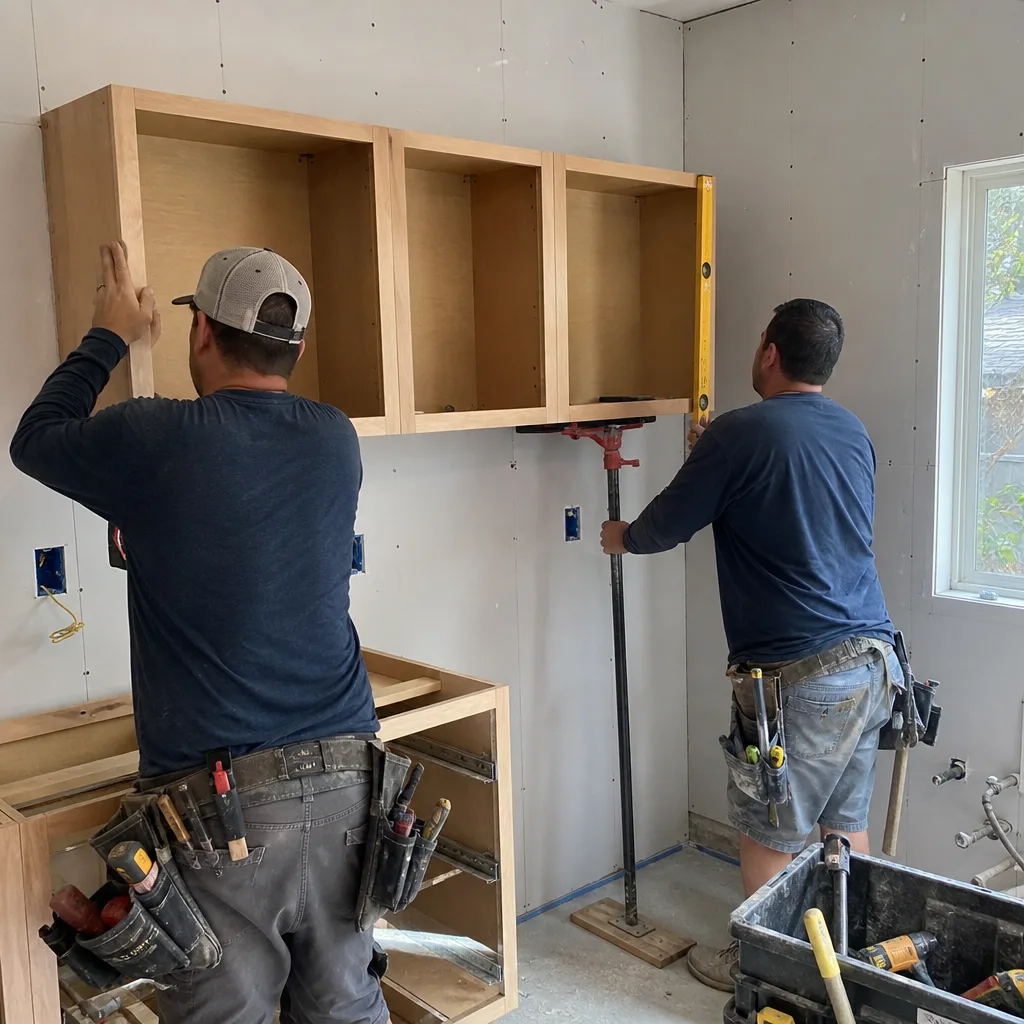
When plans arrive, they’re distributed simultaneously to structural, mechanical, plumbing, and electrical reviewers. If any department flags an issue, the entire package returns to the applicant. The clock doesn’t pause; it restarts. A roofing permit with proper documentation clears in 10-15 business days. A kitchen remodeling in West Palm Beach involving structural wall modification typically takes 25-35 days. Home additions and ADUs routinely hit 120-140 days because they trigger fire department review, utility coordination with the city’s Water Utilities Department, and sometimes Palm Beach County Environmental Resources Management for drainage impacts.
We’ve seen homeowners lose entire construction seasons because they submitted architectural drawings before completing a soil survey in El Cid, where the high water table complicates foundation plans. The concurrent review returned the package three times. Under Clause 1 of the Haven Standard, we deliver a written price only after confirming the permit pathway, because quoting against an uncertain timeline is quoting against air.
Permit timeline ranges by project type (West Palm Beach Building Division, 2025):
- Roofing (like-for-like replacement): 10-15 business days
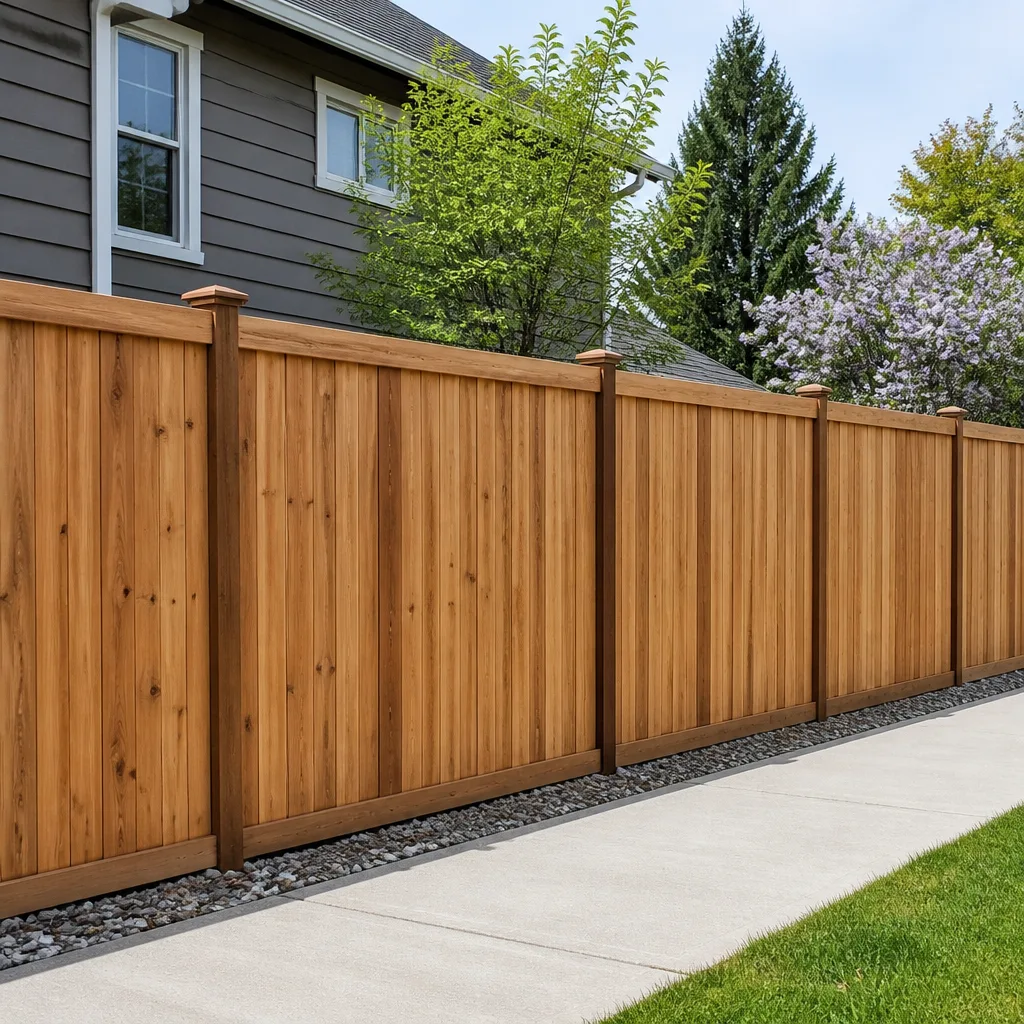
- Fence installation (under 6 feet): 5-10 business days
- Window/door replacement (no structural change): 15-20 business days
- Kitchen or bathroom remodeling in West Palm Beach with structural modification: 25-45 business days
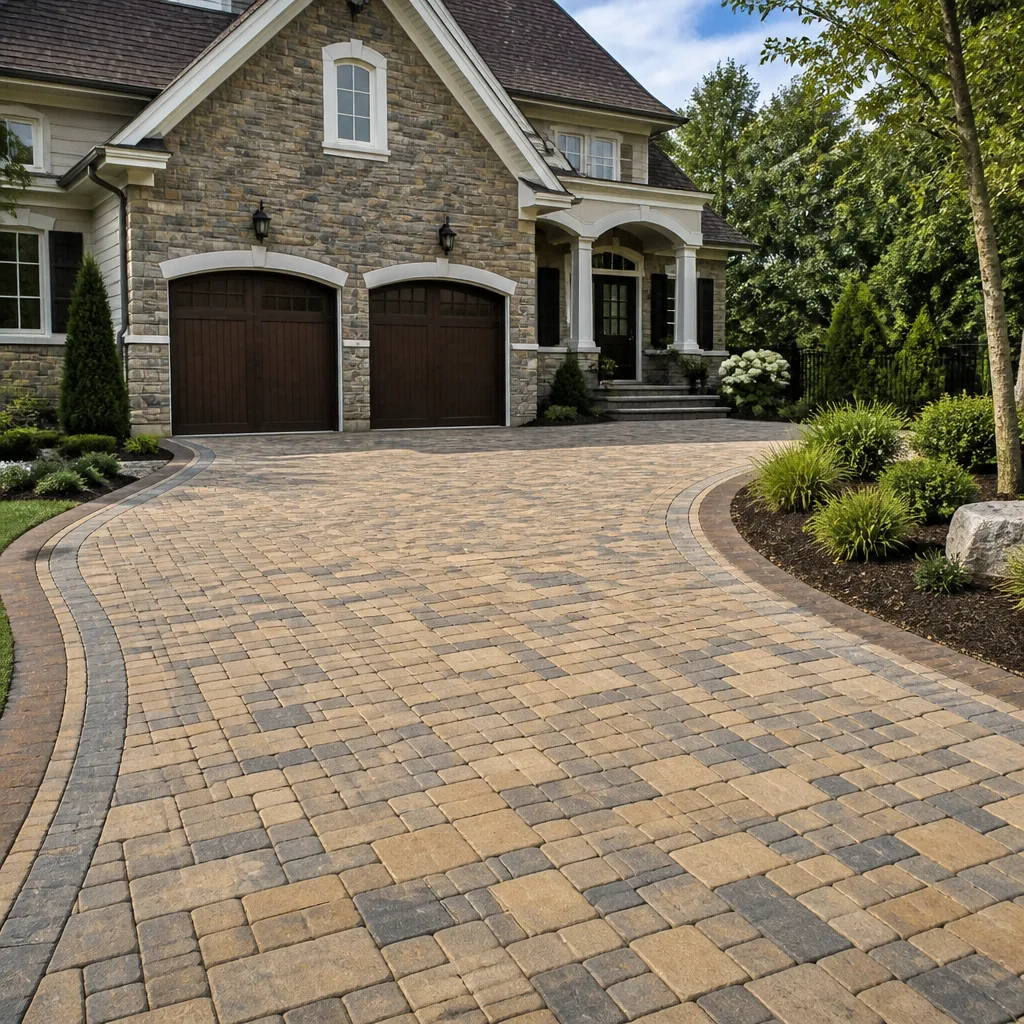
- Driveway and paver installation (non-structural): 10-15 business days
- Home addition under 1,000 sq ft: 75-100 business days
- Home addition over 1,000 sq ft or ADU: 120-140+ business days
These timelines assume complete initial submissions. The most common delay trigger in our experience: missing Florida Energy Efficiency Code compliance documentation for HVAC changes, which West Palm Beach enforces more stringently than some neighboring jurisdictions. See our Construction Warning Signs: A West Palm Beach Homeowner’s Reference Guide for additional red flags.
Florida Building Code: What 160+ MPH Wind Speed Means for Your Project
Palm Beach County sits in a 160 mph design wind-speed zone under the Florida Building Code, 8th Edition (2023). This isn’t a recommendation. It’s the minimum structural load every exterior component must withstand, and it shapes material selection, fastening patterns, and installation methods in ways that increase costs 15-25% over inland Florida markets.
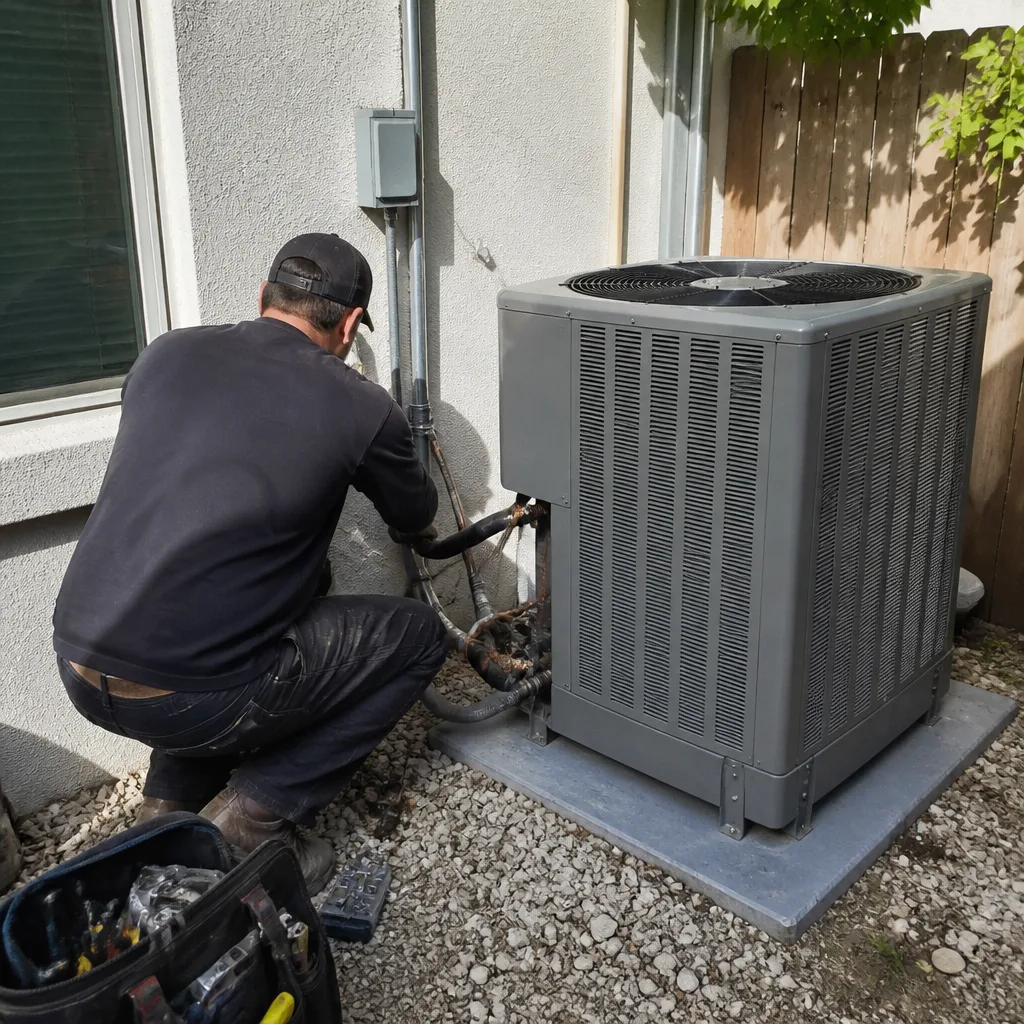
For roofing in West Palm Beach, this means ASTM D7158 Class H shingles or equivalent, 6 nails per shingle in the field (not 4), and drip edge installation that extends a minimum 2 inches up the roof deck. Rafter ties and hurricane clips are mandatory, not optional. In our documented photo records from Northwood and Flamingo Park jobs, we regularly find pre-2002 homes with toe-nailed rafter connections that don’t meet current code; a re-roof triggers full compliance upgrades.
Windows and doors require AAMA/WDMA/CSA 101/I.S.2/A440 testing to PG50 or higher, with permanent installation of impact-resistant coverings or impact-rated glazing itself. The code distinguishes between “impact-resistant” and “hurricane-protected” - a distinction that matters for insurance discounts and resale disclosure. We specify the exact product rating in our written quotes because “hurricane window” means nothing without a tested design pressure number.
For additions and ADUs, the 160 mph requirement extends to foundation anchoring. In the Southland Park and Grandview Heights areas, where fill soils are common, this often means helical piers or auger-cast piles where a simple spread footing would suffice inland. The soil boring report becomes a code compliance document, not merely a geotechnical recommendation.
Key code sections that trip up homeowners:
- R301.2.1.1 Wind limitations: The 160 mph basic wind speed applies to Risk Category II buildings (single-family residential). Risk Category III/IV structures, including some ADUs with emergency use provisions, jump to 186 mph.
- R324.1.1 Floodplain construction: Any structure in a Special Flood Hazard Area must have the lowest floor elevated to or above the Base Flood Elevation plus freeboard. West Palm Beach enforces this through the National Flood Insurance Program’s Community Rating System.
- R905.1.1 Underlayment: Secondary water barrier requirements for roof replacements in high-velocity hurricane zones. Self-adhering polymer-modified bitumen underlayment is standard; felt paper alone fails inspection.
Construction Cost Ranges in West Palm Beach (2025-2026)
These ranges reflect our written quotes delivered across 4,000-plus projects since 2007, adjusted for current Palm Beach County labor rates and material costs. Every project receives a flat written price with scope documentation before work begins; these figures represent typical project bands, not estimates for your specific property.
Kitchen Remodeling in West Palm Beach
- Minor refresh (cabinets, countertops, paint): $35,000-$55,000
- Mid-range remodel with layout change: $75,000-$125,000
- Full gut with structural modification, custom cabinetry: $140,000-$220,000
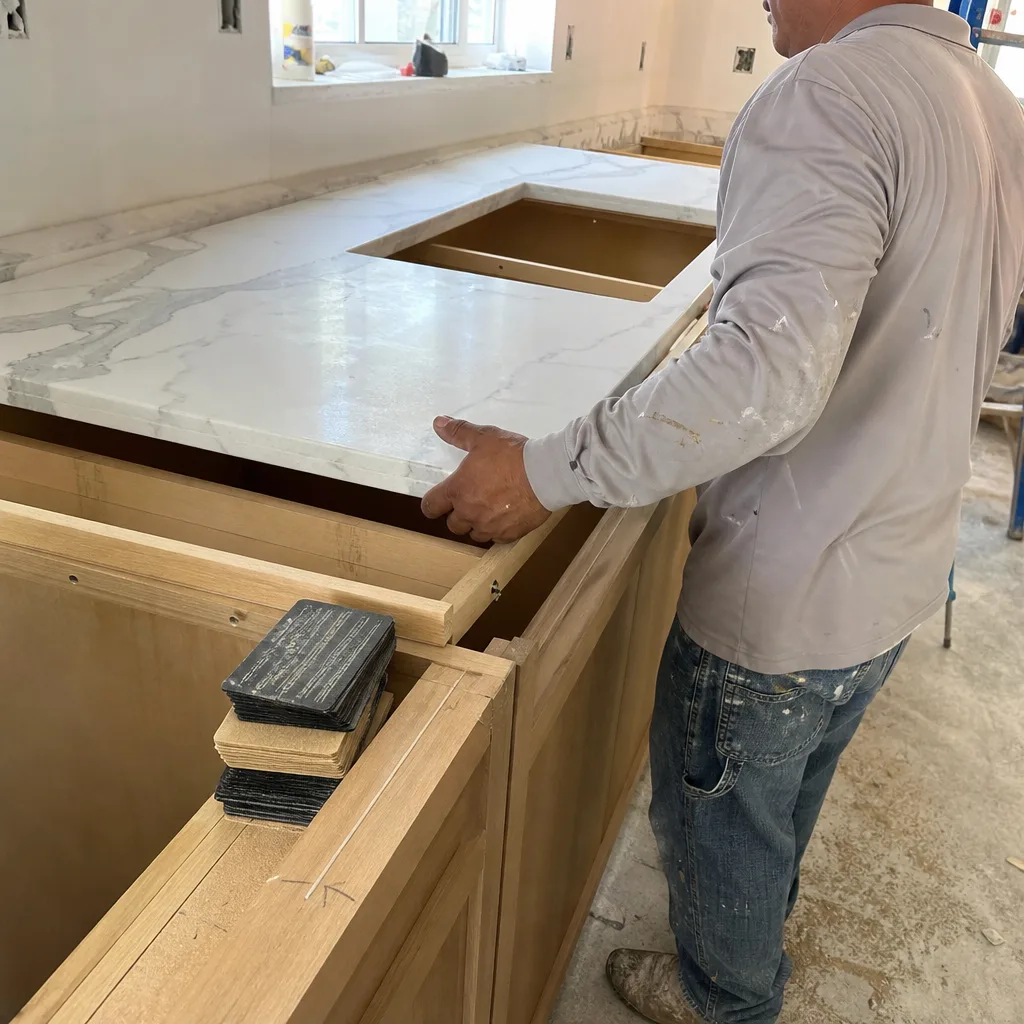
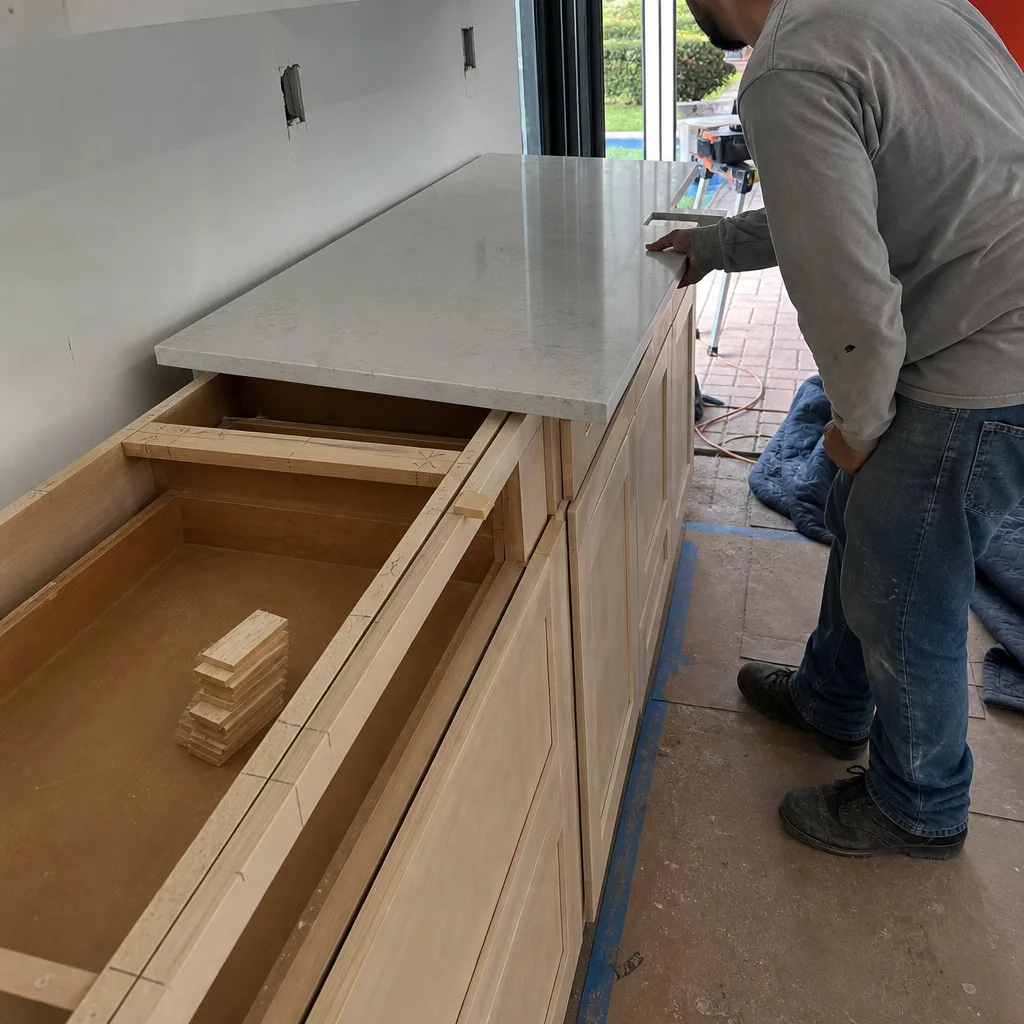
Material specification drives the spread. KraftMaid semi-custom cabinets with plywood box construction run $18,000-$28,000 for a typical 10×12 kitchen; Wellborn’s full custom line with dovetail drawers and soft-close hardware pushes toward $45,000. Cambria quartz countertops installed with proper substrate preparation (critical in humid climates) range $85-$140 per square foot; Caesarstone’s comparable products cluster at $75-$120. We itemize these in our written quotes because the customer researching appliances wants to screenshot and compare.
Bathroom Remodeling in West Palm Beach
- Guest bath refresh: $18,000-$32,000
- Primary bath with shower replacement: $45,000-$75,000
- Primary bath with wet room, freestanding tub, heated floor: $85,000-$140,000
Kohler’s cast-iron enameled tubs and Toto’s Washlet-integrated toilets appear frequently in our Northwood and El Cid projects. The moisture management specification matters more than the fixture brand: cement board with liquid-applied membrane behind tile, not greenboard or plain drywall, is what prevents the callbacks we’ve documented in 20-year-old renovations.
Roofing in West Palm Beach
- Asphalt shingle (like-for-like, 2,000 sq ft): $12,000-$18,000
- Metal standing seam (26-gauge minimum): $28,000-$42,000
- Tile roof (clay or concrete, underlayment replacement): $35,000-$55,000
GAF Timberline HDZ and Owens Corning Duration shingles both carry Miami-Dade Product Control approvals required for Palm Beach County. The price difference between a 25-year and 50-year shingle is less than the labor cost of doing the job twice; we specify the product grade in writing and photograph the bundle labels at delivery.
Windows and Doors
- Vinyl impact window replacement (per opening): $800-$1,400
- Aluminum impact window (thermally broken): $1,200-$2,000
- Impact-rated entry door with frame: $2,500-$4,500
- Multi-slide impact door (12-foot opening): $8,000-$15,000
Fence Installation
- Pressure-treated pine privacy fence (per linear foot): $28-$42
- Vinyl privacy fence: $38-$58
- Aluminum ornamental: $55-$85
Driveway and Pavers
- Concrete driveway replacement (per square foot): $8-$14
- Belgard pavers with proper base preparation: $18-$28
- Techo-Bloc or Cambridge Pavers with edge restraint and bedding sand: $22-$34
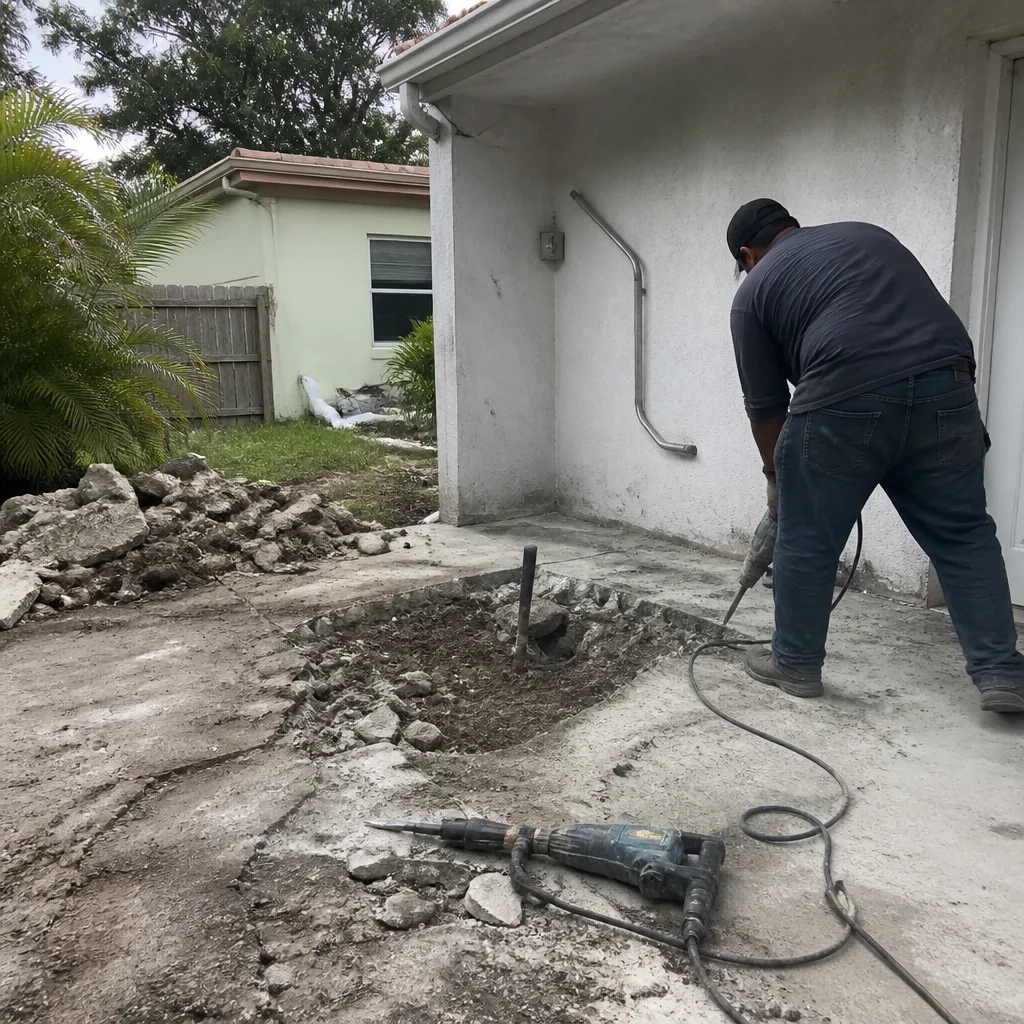
In the South End and Flamingo Park, where narrow lots and mature tree root systems complicate excavation, paver installation often requires additional base depth or geotextile fabric. We photograph the excavated substrate and measure base thickness before laying any bedding sand; the customer receives these images as part of the standard documented photo record.
Home Additions and ADUs
- Room addition (per square foot, finished): $280-$420
- Garage conversion (permitted, conditioned): $45,000-$85,000
- Detached ADU (600-800 sq ft): $180,000-$280,000
- Two-story addition with primary suite: $320,000-$480,000
These figures include permit fees, impact fees, and standard finish specifications. They do not include lot coverage compliance work, tree mitigation, or soil correction that geotechnical findings may require. Under the Haven Standard, we identify these variables in writing before quoting, not after breaking ground.
Coastal Construction Control Line and Setback Rules Near the Intracoastal
The CCCL, established under Florida Statute Chapter 161, creates a permitting overlay that affects roughly 15% of West Palm Beach residential properties, primarily along the Intracoastal Waterway and its connected waterways. If your property lies seaward of the CCCL, construction activities require Florida Department of Environmental Protection permits in addition to city approvals.
Determining CCCL status isn’t intuitive. The line doesn’t follow the water’s edge; it’s mapped based on historical erosion data and storm surge modeling. Properties on Flagler Drive, parts of South Flagler Drive, and sections of the El Cid historic district can be CCCL-regulated even without direct waterfront access. The Florida DEP maintains an online CCCL locator, but we’ve found boundary ambiguities that require a surveyor’s determination for permit certainty.
For affected properties, the practical impacts include:
- Additional 60-90 days for DEP permit processing, running parallel to city review
- Restrictive construction activity windows (often prohibiting work during sea turtle nesting season, March 1 through October 31)
- Vegetation protection requirements that limit lot clearing for equipment access
- Setback requirements from the mean high water line that may reduce buildable area by 20-30% compared to inland lots of identical size
In the Vedado and Southland Park neighborhoods, we’ve navigated CCCL compliance for additions where the buildable footprint was constrained by both the line and local historic preservation overlay. The solution in one case: a vertically stacked ADU design that stayed within the reduced footprint while delivering the requested square footage. We documented the DEP correspondence and permit sequence in the project file, which the customer received as part of the standard deliverable package.
Setback rules compound the complexity. West Palm Beach’s Land Development Regulations require front setbacks of 25 feet in most residential zones, side setbacks of 7.5 feet, and rear setbacks of 20 feet. But CCCL properties add a 50-foot coastal setback from the mean high water line, whichever is more restrictive. On a 50-foot-wide lot, this can eliminate side-yard addition options entirely.
The Document Stack Required Before Breaking Ground
Florida law and West Palm Beach ordinance create a specific document stack that must be complete before any construction activity begins. We’ve seen homeowners and unlicensed operators begin work with partial documentation, triggering stop-work orders that add 30-60 days to timelines and $500-$2,500 in reinspection fees.
The required stack, in sequence:
- Owner’s authorization: Notarized if the permit applicant is not the property owner of record. This is where power-of-attorney arrangements for elderly parents or trust-held properties commonly snag.
- Notice of Commencement (NOC): Filed with the Palm Beach County Clerk of Court, recorded, and posted at the job site. The NOC triggers the 45-day lien notice period and must list all lienors with direct contracts. We prepare this document as part of our standard pre-construction package.
- Approved construction documents: Stamped by a Florida-licensed architect or engineer for structural, mechanical, electrical, and plumbing work. West Palm Beach requires digital plan submission through its ProjectDox system; paper submissions are no longer accepted for residential permits.
- Contractor license verification: The Palm Beach County contractor’s license must be current, with no pending disciplinary action. The license category must match the work scope: a roofing contractor cannot pull a permit for structural work, and a residential contractor cannot perform commercial-grade additions without the appropriate endorsement.
- Insurance and bonding documentation: General liability and workers’ compensation certificates naming the property owner as additional insured. West Palm Beach Building Division verifies these at permit issuance and may request updated certificates at final inspection.
- Utility clearance: Confirmation that Florida Power & Light and the city’s Water Utilities Department have marked or cleared underground facilities. For excavation exceeding 12 inches in depth, this is mandatory under state law.
We verify this stack before delivering any written price, because quoting against an uncertain permit pathway violates Clause 1 of the Haven Standard. Our customers receive a checklist showing each document’s status, with copies filed in their project portal.
Hurricane-Rated Materials: Brands and Specifications That Matter
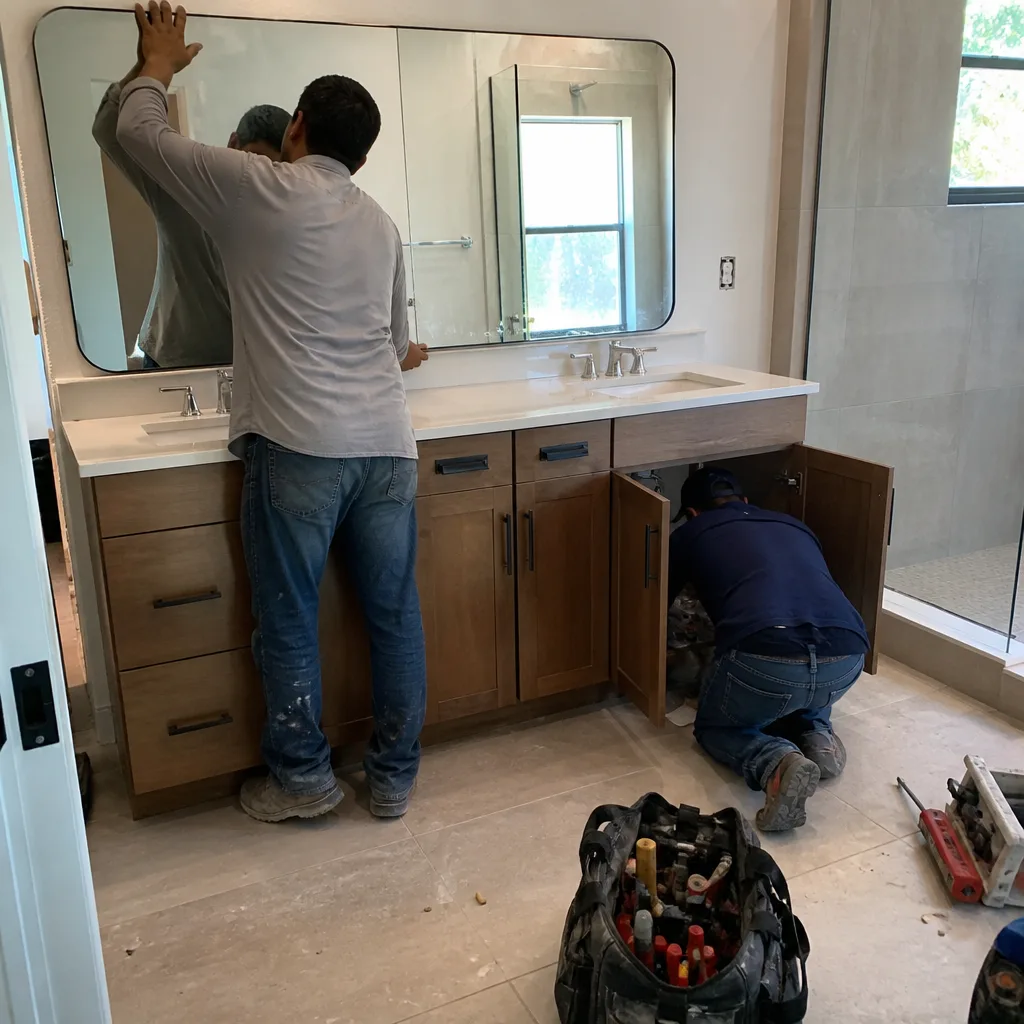
The 160 mph wind-speed requirement eliminates certain product categories from consideration and elevates others. Here’s what we’ve learned from 4,000-plus projects about which specifications actually perform in West Palm Beach conditions.
Roofing: GAF Timberline HDZ with LayerLock technology and Owens Corning Duration with SureNail strip both achieve Miami-Dade approvals with 130 mph warranty wind coverage when installed to manufacturer specifications. The critical detail is not the shingle brand but the fastening pattern: 6 nails per shingle, 1 inch from each end, with nails penetrating the deck by 3/4 inch minimum. We photograph every fastening pattern during installation; the customer receives these images.
Windows and doors: Impact-rated products carry a Florida Product Approval or Miami-Dade Notice of Acceptance (NOA). The NOA is the stricter standard and what we specify for waterfront properties. Look for the design pressure (DP) rating: 50 psf minimum for most residential applications, 60+ psf for high-rise and direct exposure. The frame anchoring matters as much as the glass: stainless steel screws into structural framing, not powder-coated screws into vinyl that corrodes in salt air.
Pavers and hardscape: Belgard’s Holland Stone and Techo-Bloc’s Blu 80 mm pavers both achieve the interlock density that prevents displacement in saturated base conditions. In West Palm Beach’s sandy soils and high water table, we specify minimum 6-inch aggregate base with 1-inch bedding sand, not the 4-inch base common inland. Cambridge Pavers’ ArmorTec surface layer provides the color retention we’ve documented after 10+ years of UV and salt exposure near the Intracoastal.
Concrete and masonry: Quikrete’s Crack-Resistant Concrete mix, with synthetic fibers and air entrainment, performs better in freeze-thaw and salt exposure than standard 3000 psi mixes. For footings and foundations, we specify 4000 psi minimum with 5-7% air content, verified by cylinder break tests documented in the project record.
Oldcastle’s architectural block products appear in our ADU and addition projects where masonry construction is specified. The key specification is the Florida Building Code’s requirement for horizontal reinforcement every 16 inches and vertical reinforcement at 48 inches on center, with fully grouted cells at corners and openings.
Neighborhood-Specific Construction Notes
West Palm Beach’s neighborhoods present distinct construction variables that generic Florida advice misses.
El Cid and Flamingo Park (Historic Districts): The Historic Preservation Board reviews exterior alterations, including window replacement, roofing material changes, and additions visible from the public right-of-way. This adds 30-45 days to permit timelines and requires materials that match the historic character: wood windows (not vinyl), clay tile (not asphalt shingle), and specific paint colors from an approved palette. We’ve navigated this process for kitchen and bathroom additions where the exterior modification was minimal but the visibility triggered review.
Northwood: The historic commercial-residential mix means many properties have non-conforming setbacks and lot coverage. Additions here often require variance applications, which trigger public hearing schedules and neighbor notification requirements. The West Palm Beach Zoning Board meets monthly; missing the filing deadline pushes the timeline 30 days.
South End and Vedado: Narrow lots (40-50 feet wide) with mature banyan and live oak trees create root protection zone constraints. The city’s tree protection ordinance requires arborist assessment for any construction activity within the dripline of a protected species. We’ve redesigned driveway and paver layouts to avoid root zones, using permeable paver systems that reduce impervious surface coverage and satisfy stormwater management requirements.
Grandview Heights and Southland Park: Fill soils from early 20th-century development create geotechnical variability. Soil borings are not optional for additions; they’re code compliance documents. We’ve encountered organic peat layers at 4-6 feet depth that required helical pier foundations where spread footings were initially planned. The $8,000-$15,000 pier cost, identified in pre-construction investigation, prevents the $40,000+ remediation of a settled foundation.
Flagler Waterfront: CCCL jurisdiction, as discussed, plus FEMA VE flood zone requirements. The lowest floor must be at or above Base Flood Elevation plus 1 foot freeboard; for many properties, this means elevated first floors or floodproofed enclosures with hydrostatic venting. Elevator pits, common in multi-story additions, require specialized waterproofing and pump systems.
How to Evaluate a General Contractor in West Palm Beach
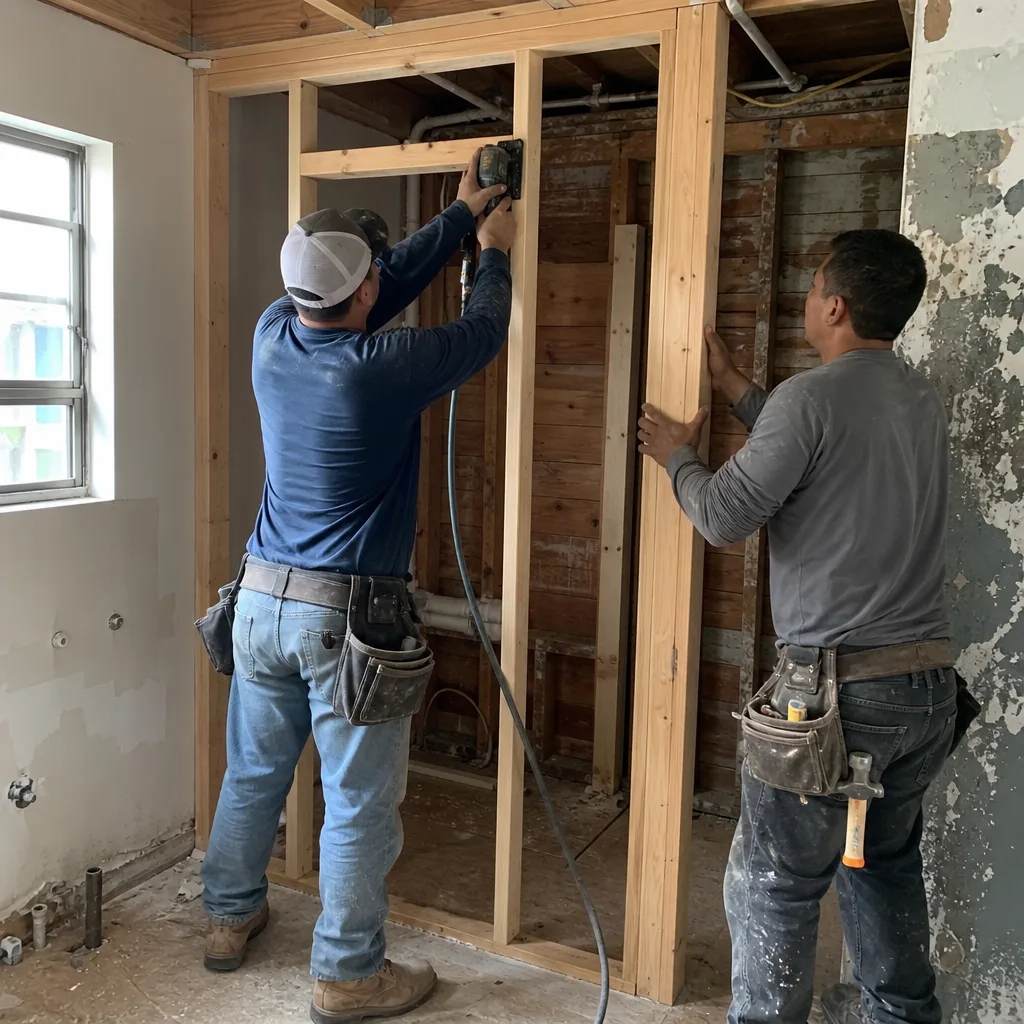
The customer researching contractors the way they research appliances wants specific documentation, not assurances. Here’s what to request and what the answers reveal. For more guides & resources on vetting contractors and planning projects, explore our blog.
License verification: Ask for the Palm Beach County license number and verify it through the county’s online contractor lookup. Check that the license category matches your project scope. A “Certified Residential” contractor can perform additions and remodels; a “Registered Roofing” contractor cannot perform structural work. The license should show no pending disciplinary actions.
Insurance certificates: Request certificates of general liability and workers’ compensation, with you named as additional insured. Verify the policy dates cover your project timeline. We provide these at quote delivery, not upon request, because transparency is the default.
Written scope and price: The quote should itemize labor, materials, permit fees, and contingency. Under the Haven Standard, we deliver this before any work starts, every time. “Call for a quote” is not an option here. The written price includes the product brands specified, the installation methods referenced, and the warranty terms printed.
Change order discipline: Ask how changes are handled mid-project. The answer should be: written change order, signed by both parties, with price and scope documented, before any additional work proceeds. This administrative discipline, which Haven acquired Rowan for in 2007, is what keeps projects within a few percent of the agreed price. We’ve delivered 4,000-plus projects on this system.
Documentation standard: What does the customer receive? We provide a documented photo record on every visit, included as standard, not an upgrade. The customer leaves with evidence of what was found and what was done. Ask to see a sample from a completed project.
Warranty terms: Our 365-Day Done Right Promise is printed on every page and backed by a terms page, not an asterisk. If it is not done right, we make it right. Ask other contractors to show you the same: a printed warranty with specific coverage, duration, and remedy process.
We also offer a Free Second Opinion on any written estimate. Bring a competitor’s quote and we’ll review it line by line at no charge. This often reveals scope gaps, unspecified materials, or contingency omissions that affect the final price.
Common Mistakes to Avoid
- Starting permit research after signing a construction contract. In West Palm Beach, permit timelines drive project schedules, not labor availability. A 140-day permit queue for an ADU means your contractor’s crew availability in month two is irrelevant.
- Assuming flood zone status from a neighbor’s experience. FEMA maps are parcel-specific. We’ve seen adjacent lots in Vedado with different BFEs due to minor elevation differences. Verify your own property’s status before planning ground-level additions.
- Selecting materials based on mainland Florida pricing. The 160 mph wind-speed requirement and salt-air corrosion environment eliminate budget product lines that perform adequately inland. The installed cost difference between code-minimum and code-compliant is not markup; it’s specification.
- Neglecting tree protection ordinance compliance. West Palm Beach’s fines for unpermitted tree removal start at $500 per inch of diameter at breast height. On a mature live oak, this can exceed $15,000 before construction begins.
- Accepting verbal estimates for complex projects. A written price with scope documentation is enforceable; a verbal estimate is a conversation. Under the Haven Standard, we don’t proceed without the written document.
- Overlooking utility clearance requirements. Florida law requires 811 notification before excavation. We’ve seen homeowners trench for irrigation or drainage without clearance, striking FPL primary lines. The liability exposure exceeds most homeowners’ insurance coverage.
- Failing to verify contractor license status at permit pull. West Palm Beach Building Division verifies licenses in real-time. A contractor whose license has lapsed or who has pending disciplinary action cannot pull permits, regardless of contract status.
When to Call a Professional
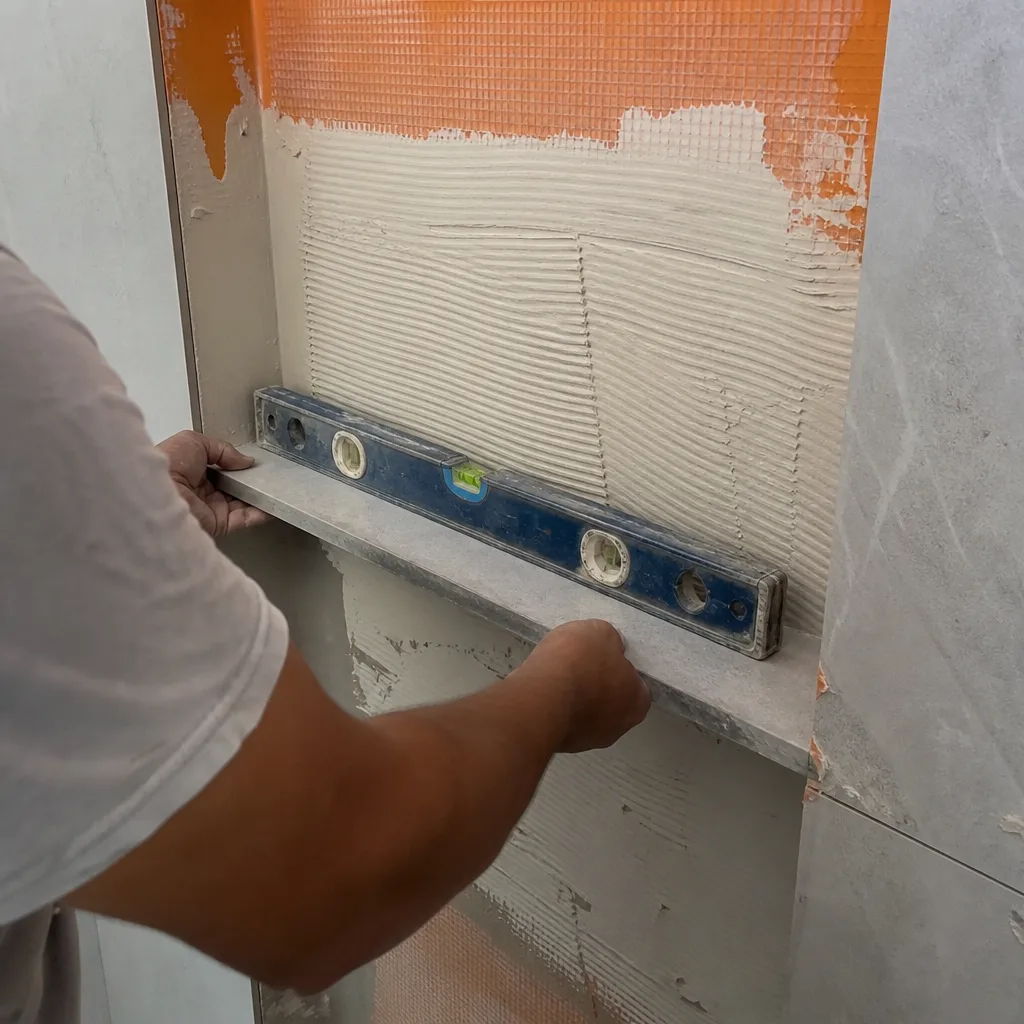
Call a licensed general contractor when your project involves structural modification, electrical or plumbing changes, or work in a flood zone or CCCL area. The permit complexity, code compliance requirements, and liability exposure exceed what homeowner permits or unlicensed operators can safely navigate.
Specific scenarios that warrant professional involvement: roof replacement (fall protection and high-wind fastening requirements), kitchen or bathroom remodeling with wall removal (structural and MEP coordination), any addition or ADU (permit sequencing and inspection scheduling), and paver or hardscape installation over 200 square feet (base preparation and drainage compliance).
Rowan Construction Group West Palm Beach offers free estimates in West Palm Beach. Call (561) 475-3903 to schedule yours. We’ll confirm your permit pathway, verify your property’s regulatory status, and deliver a written price with scope documentation before any work starts.
Frequently Asked Questions
A home addition in West Palm Beach typically costs $280-$420 per finished square foot as of 2025-2026, with most projects falling between $180,000 for a 600-square-foot ADU and $480,000 for a two-story primary suite addition. This includes permit fees, standard finishes, and code-required structural work for the 160 mph wind-speed zone. Call (561) 475-3903 for a written quote on your specific project - estimates are free.
Permit timelines in West Palm Beach range from 10-15 business days for roofing replacement to 120-140+ business days for home additions and ADUs, depending on project complexity and whether concurrent department review is triggered. Complete initial submissions clear faster; incomplete packages restart the review clock. We verify permit pathways before delivering any written price to prevent scheduling surprises.
CCCL status affects roughly 15% of West Palm Beach properties, primarily along the Intracoastal Waterway and connected waterways. The line does not follow the water’s edge; use the Florida DEP’s online CCCL locator, but verify ambiguous boundaries with a licensed surveyor. CCCL properties require additional DEP permits and face construction activity windows that can add 60-90 days to timelines.
Windows in West Palm Beach must meet AAMA/WDMA/CSA 101/I.S.2/A440 testing to PG50 or higher under the Florida Building Code’s 160 mph design wind-speed requirement. Impact-rated products need either Florida Product Approval or Miami-Dade Notice of Acceptance. The design pressure (DP) rating, not the marketing term “hurricane window,” is what matters for code compliance and insurance discounts.
Under the Haven Standard, no work proceeds on a change until the change order is signed. This administrative discipline has kept Rowan’s projects within a few percent of the agreed price across 4,000-plus jobs since 2007. The written quote you receive before work starts is a flat price with documented scope; changes are handled with written documentation, not verbal agreements.
Rowan Construction Group pulls all required permits as part of our standard project management. We verify license status, submit complete documentation packages, and manage inspection scheduling. The customer receives copies of all permits, approvals, and inspection sign-offs as part of the documented project record. This prevents the common homeowner error of incomplete submissions that trigger cascading delays in West Palm Beach’s concurrent review system.
The Bottom Line
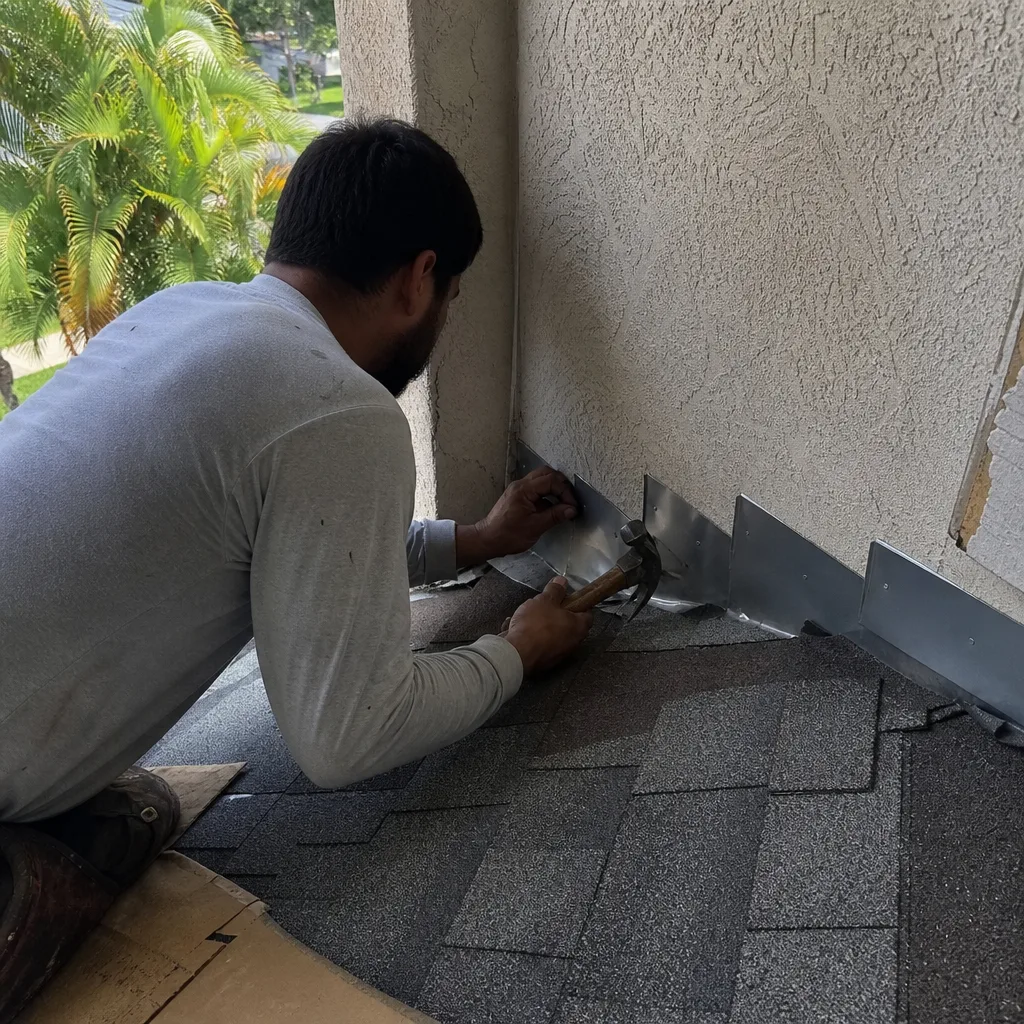
Construction in West Palm Beach operates at the intersection of 160 mph wind-speed codes, CCCL and flood zone overlays, and a permit system that rewards complete preparation and punishes shortcuts. The homeowners who navigate this successfully share three habits: they verify their property’s regulatory status before planning, they demand written documentation at every stage, and they select contractors based on demonstrated process discipline rather than enthusiasm or speed claims.
The cost ranges, permit timelines, and code requirements in this guide reflect actual 2025-2026 conditions in the West Palm Beach market. For your specific project, the variables are your property’s location, its existing conditions, and your finish specifications. Rowan Construction Group West Palm Beach delivers a written price with documented scope before any work starts, every time. Call (561) 475-3903 to schedule your free estimate.
Written by Grant Rowan, Owner at Rowan Construction Group West Palm Beach, serving West Palm Beach since 2007.